Exhibition from the Collections of the National Library of Russia
This exhibition illustrated one of the reports made at the Tenth Plekhanov Readings which were held in the National Library in May and June 2012. The main theme for the Jubilee Conference was "Russia as the Crossroads of Nations and Civilizations", so it raised issues of integration of Russian and Jewish cultures, among others.
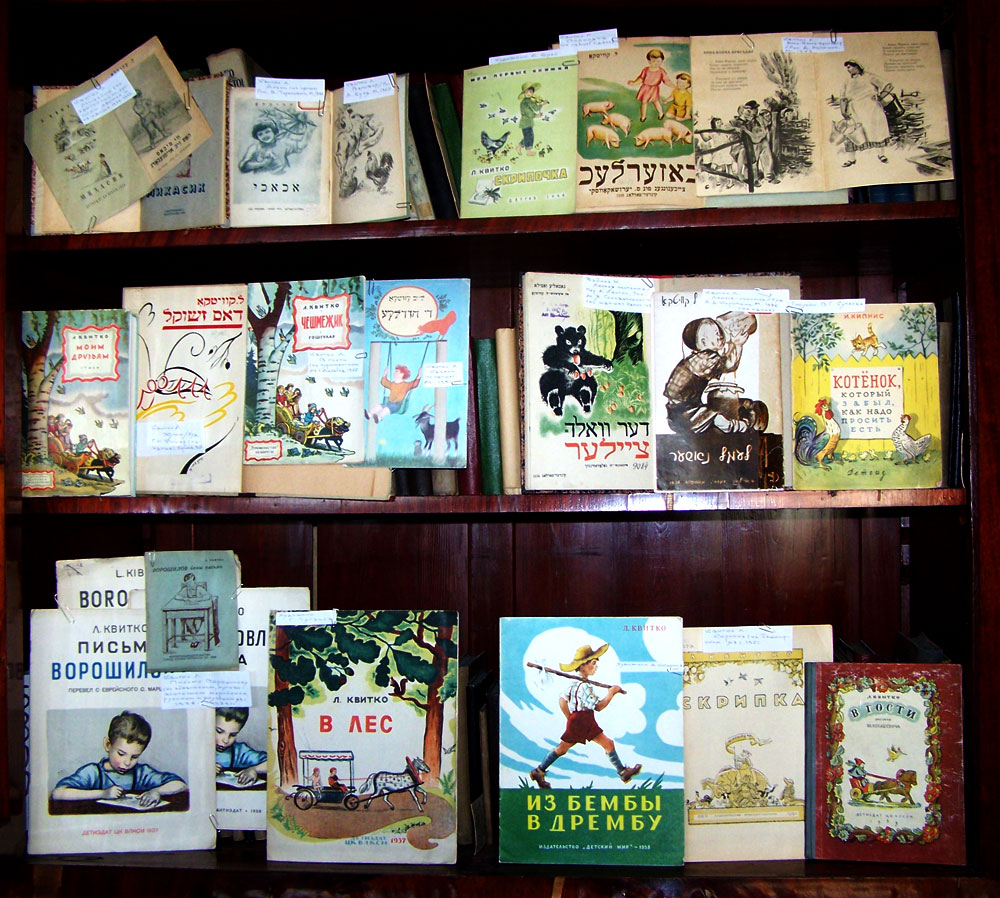

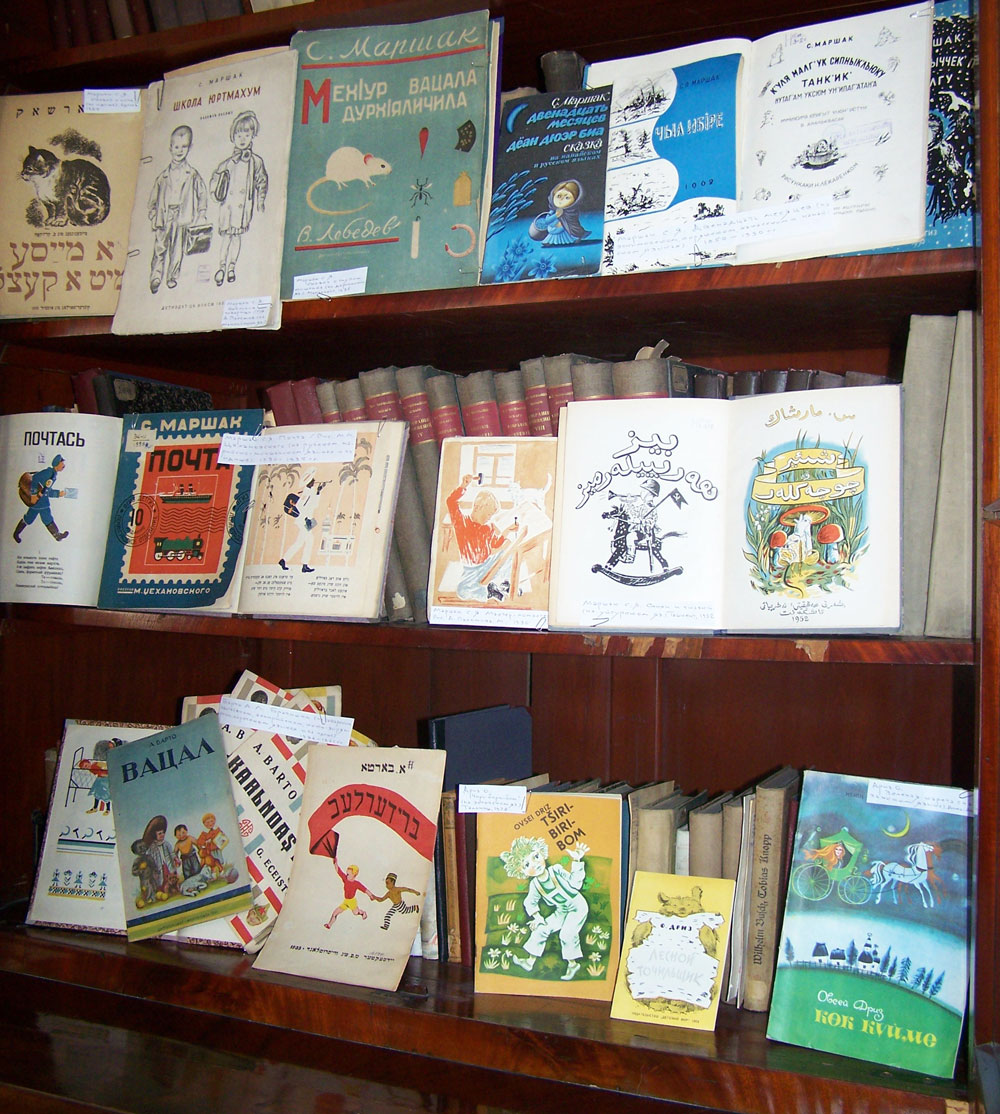
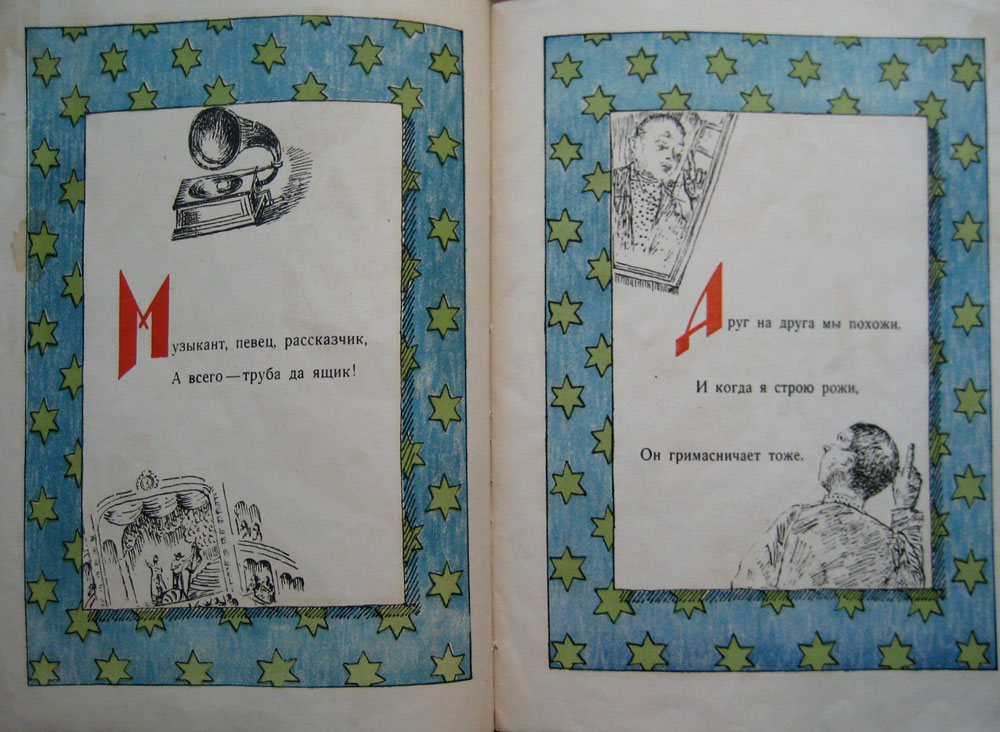
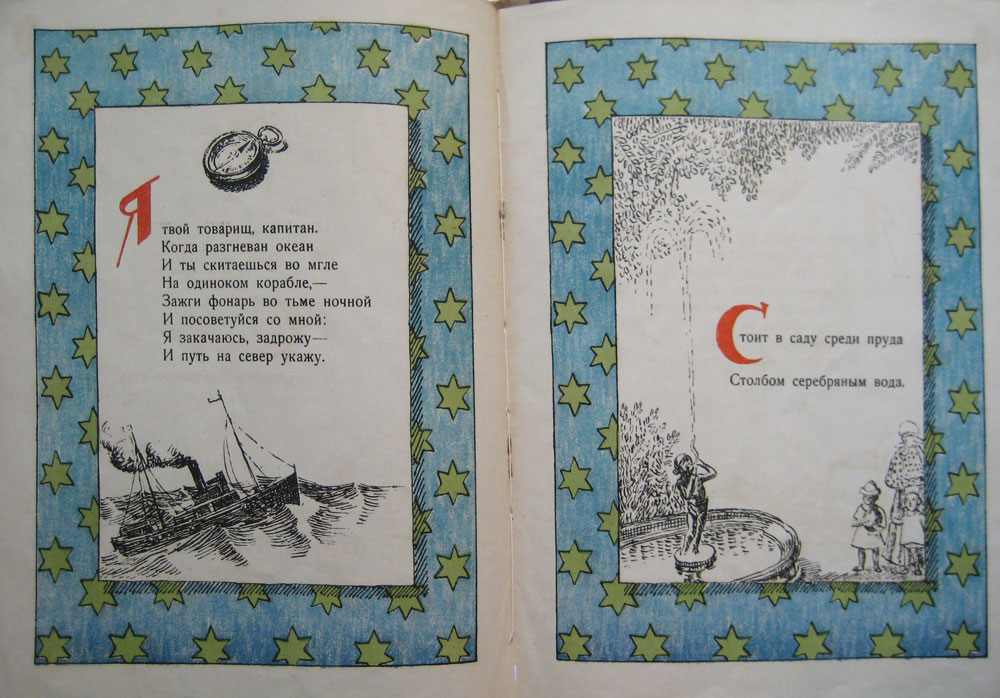
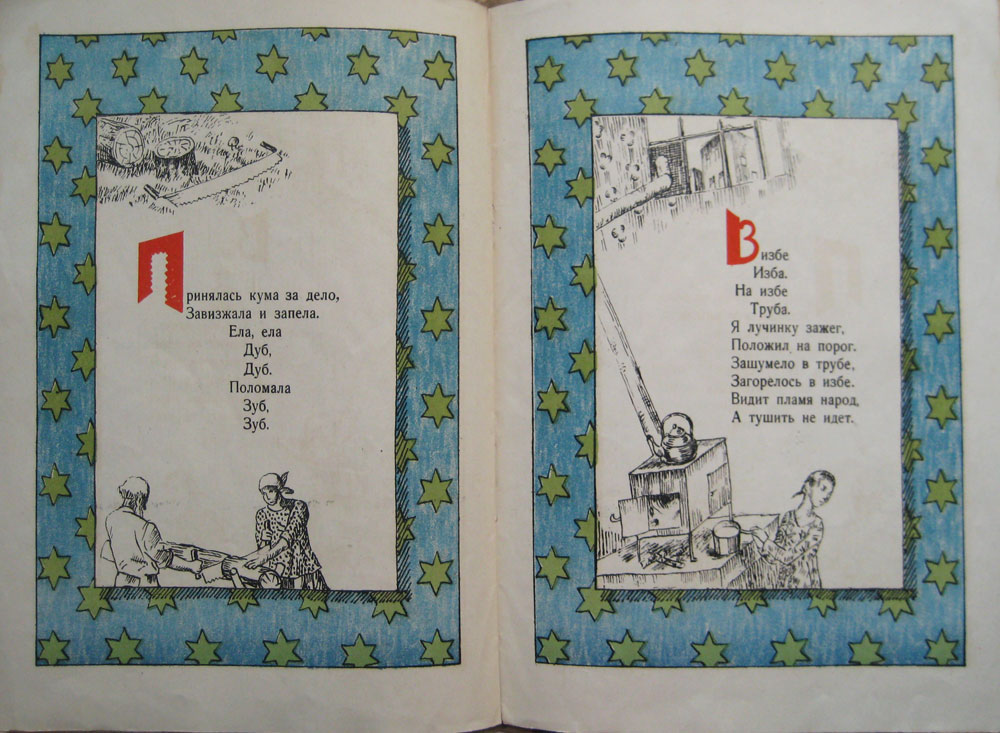
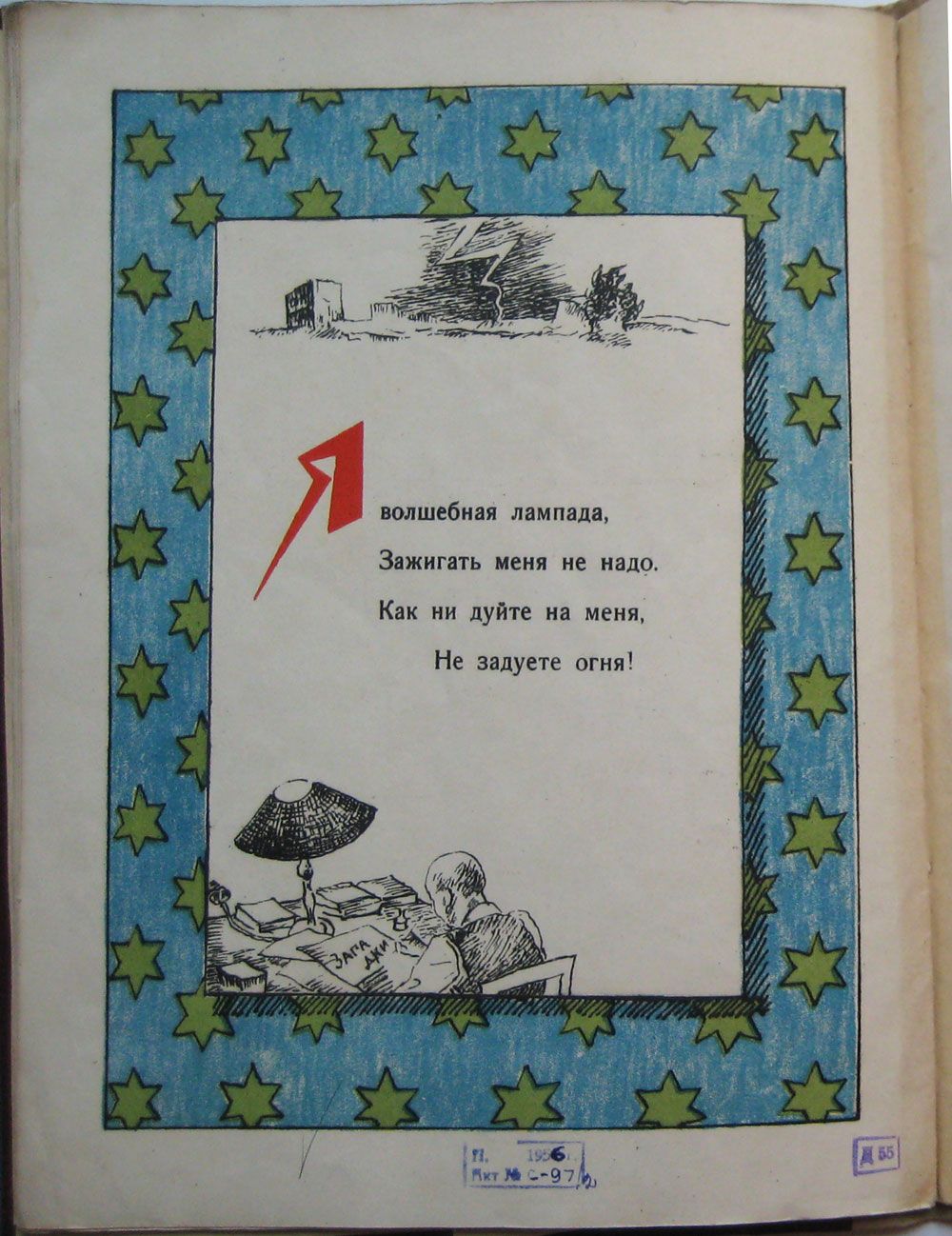
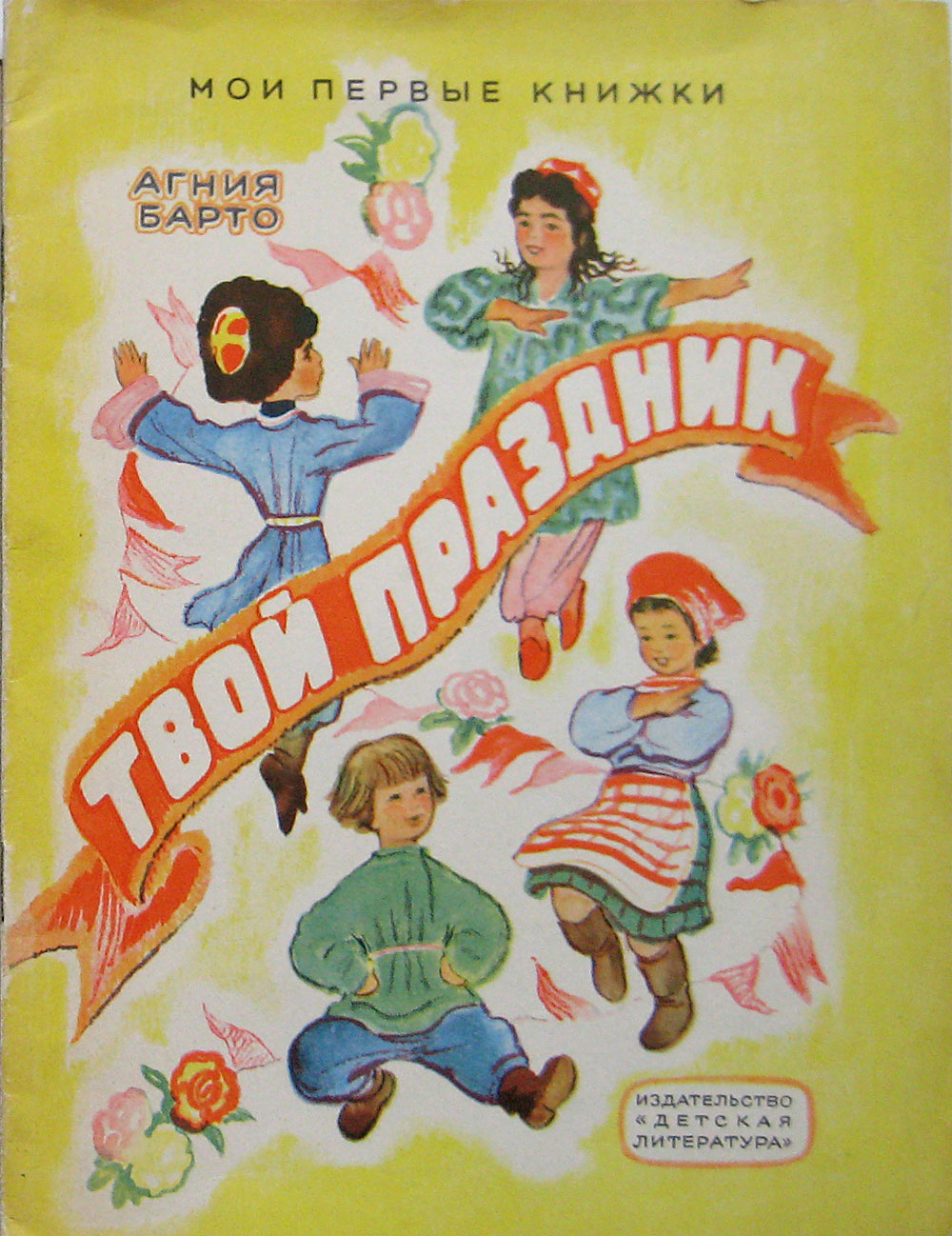
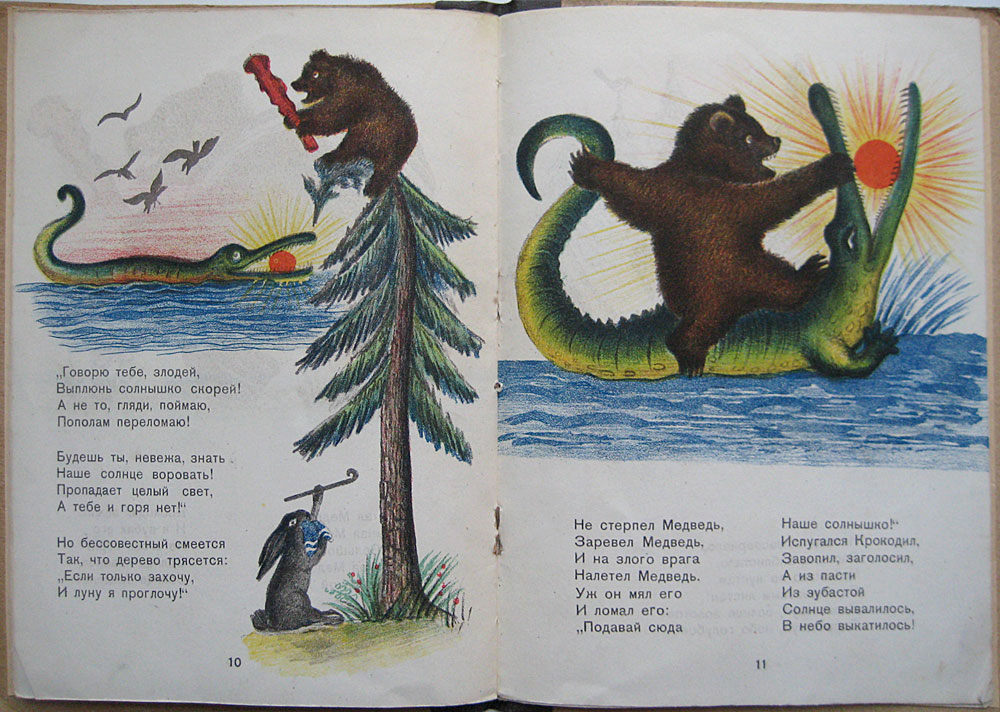
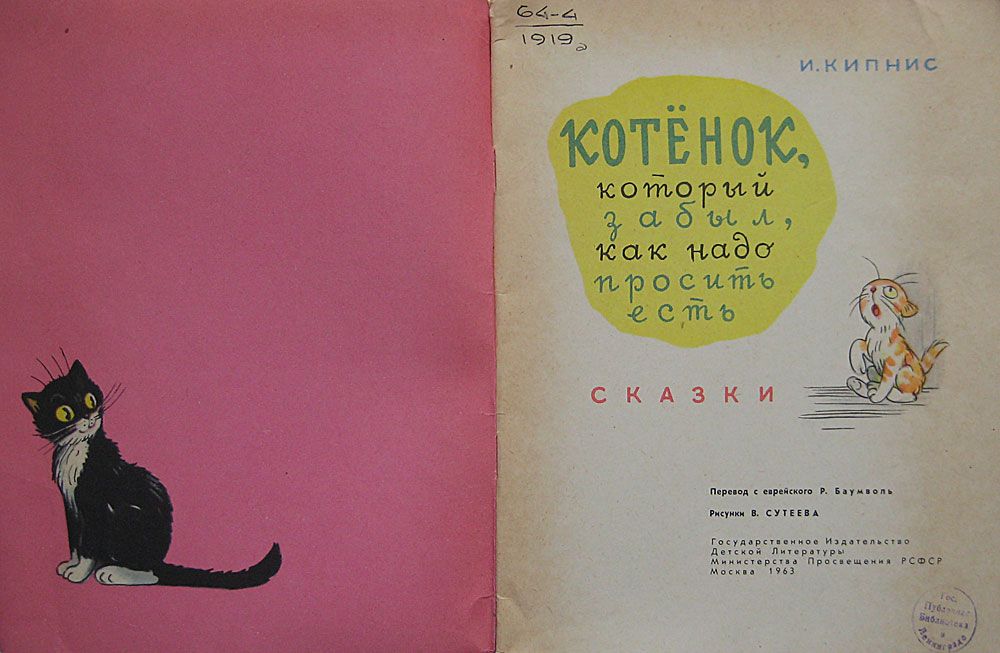
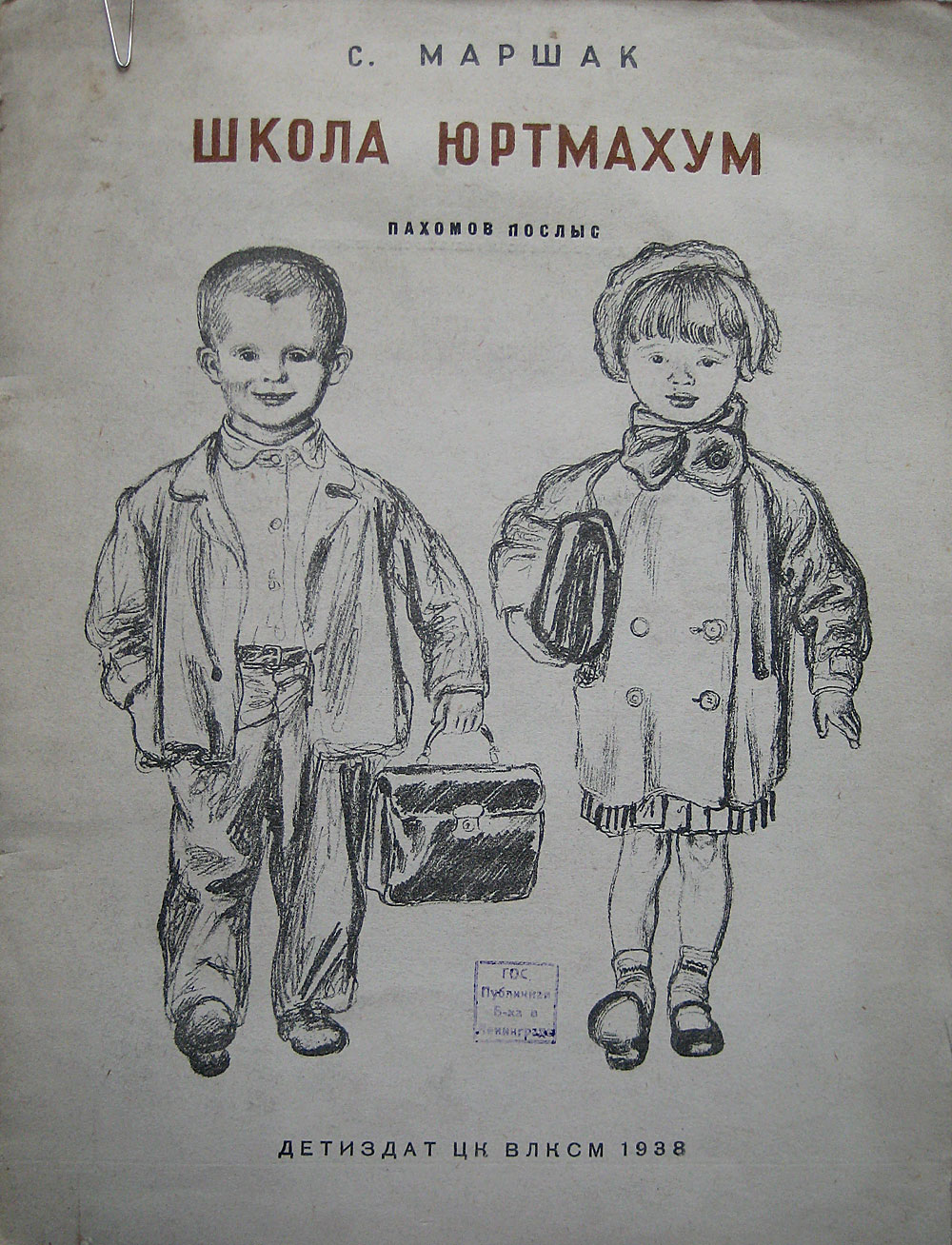
The report reviews the children's books in Yiddish and Russian, much of which represent works by L. Kvitko. This exposition takes a much broader approach: it also includes the publications by the most beloved and popular Soviet children's writers - Korney Chukovsky, Samuil Marshak, Agniya Barto and others, not only in Russian and Hebrew, but also in the other languages of the USSR. As many as three units of the NLR, namely the Russian book stock, the Department of National Literatures and the Yiddish collection of the Department of the Literature of Asian and African Countries, prepared the exhibition, and this determines its unique character. The exhibition features more than a hundred books published from 1918 to 2000.
Almost nobody can remain indifferent to children's literature. Everyone remembers perfectly well their first books, and pictures from them are stamped on memory forever. Many managed to preserve books of their childhood in the family library. But it is obvious that the holdings of the National Library are much richer than any private collection. Book exhibitions are the best evidence to prove this.
Most of the books, presented in the exibition, date from to the Soviet period - it was a time of a true flowering of children's literature. The Soviet Government had always paid special attention to it. Following V. Belinsky, who stated that 'Children's books are written for upbringing, and the upbringing is a great thing: it decides the fate of a person', the government raised children's literature to the level of the primary ideological objectives. But at the same time, in the Soviet Union, the authorities steadily followed another Belinsky's teaching that 'It is better to read nothing at all, than to read bad and poor quality books.' This explains the highest quality of children's books, both in design and content.

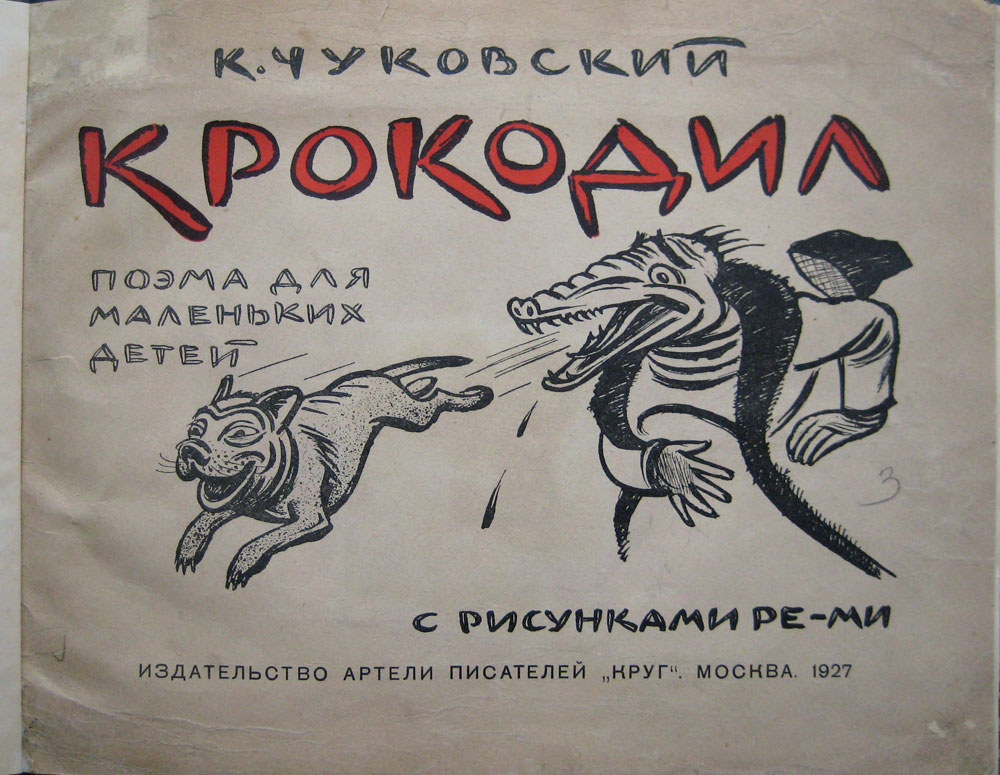
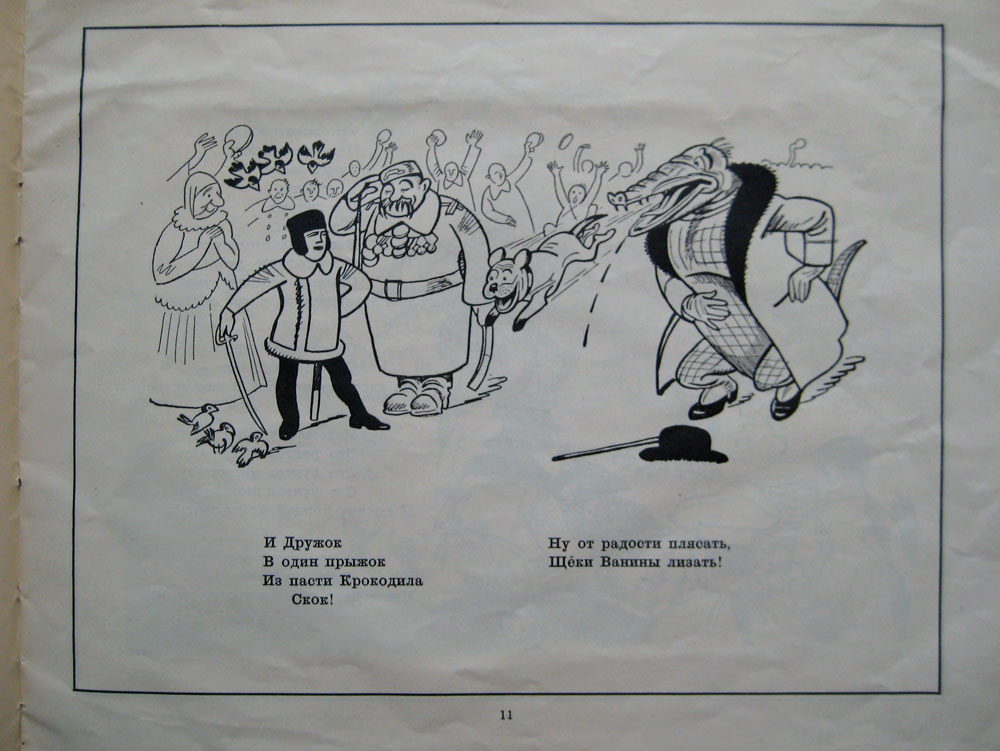
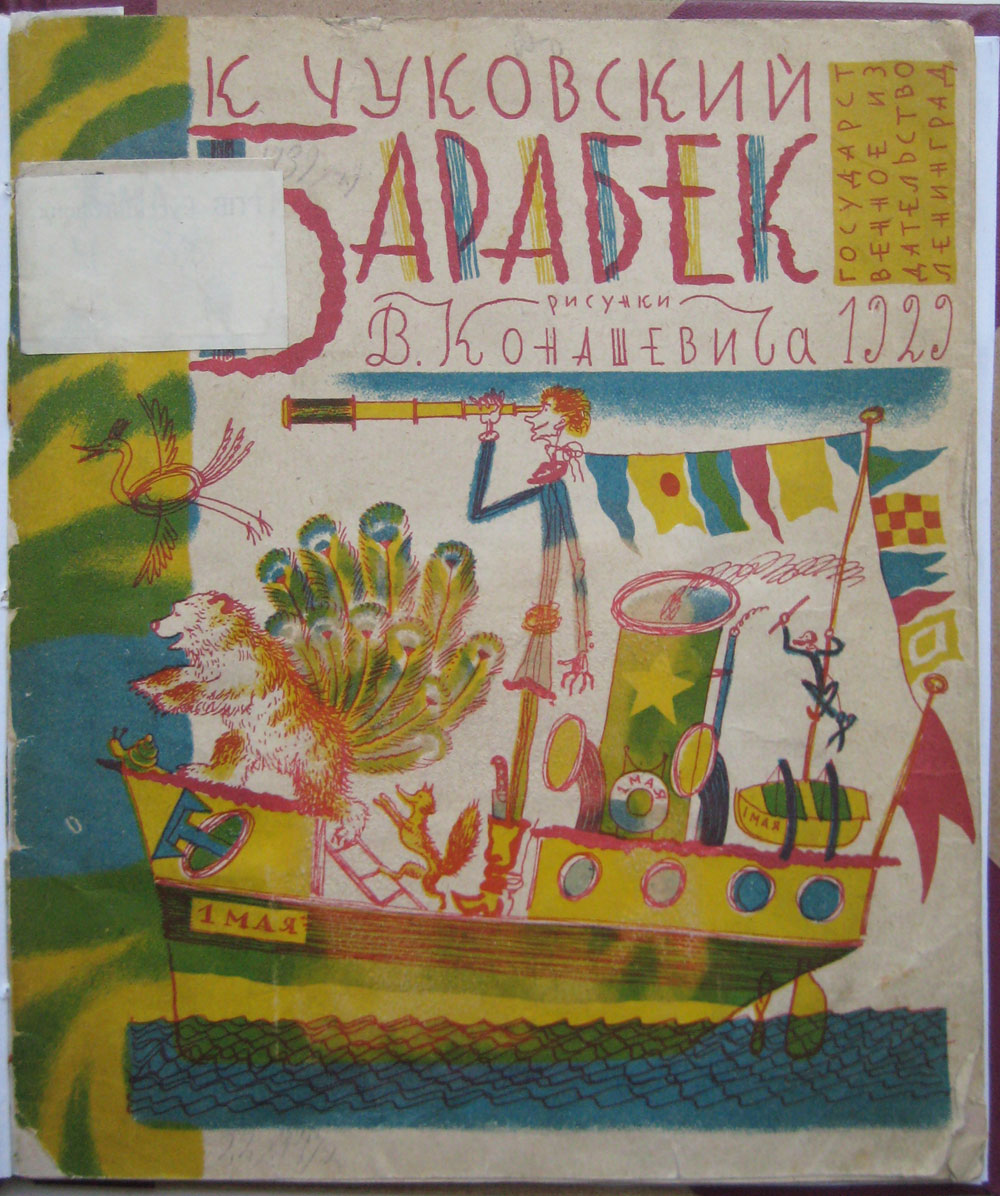
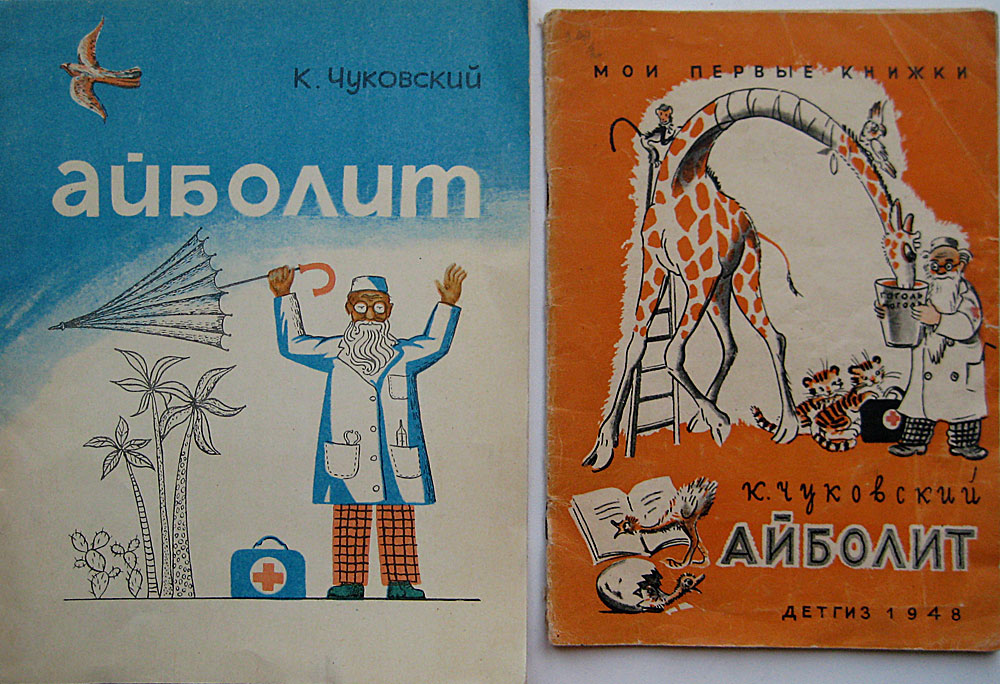
Also noteworthy is Krokodil (The Crocodile) by Korney Chukovsky illustrated by Nikolai Remizov (also known by the nickname Re-Mi). This book may seem unusual for the modern reader, it is different from the canonical text, and its drawings are defiantly original. It belongs to the era when the "standard" of children's books did not yet form.
A few years later, works by Vladimir Konashevych, Konstantin Rotov, Vladimir Lebedev, Yuri Vasnetsov, Nikolay Radlov, Vladimir Suteev and many others have determined some concepts that are very difficult to express, but at the same time, easy to feel: looking through beautiful children's books, created by them, seems to bring a breath of warm air…
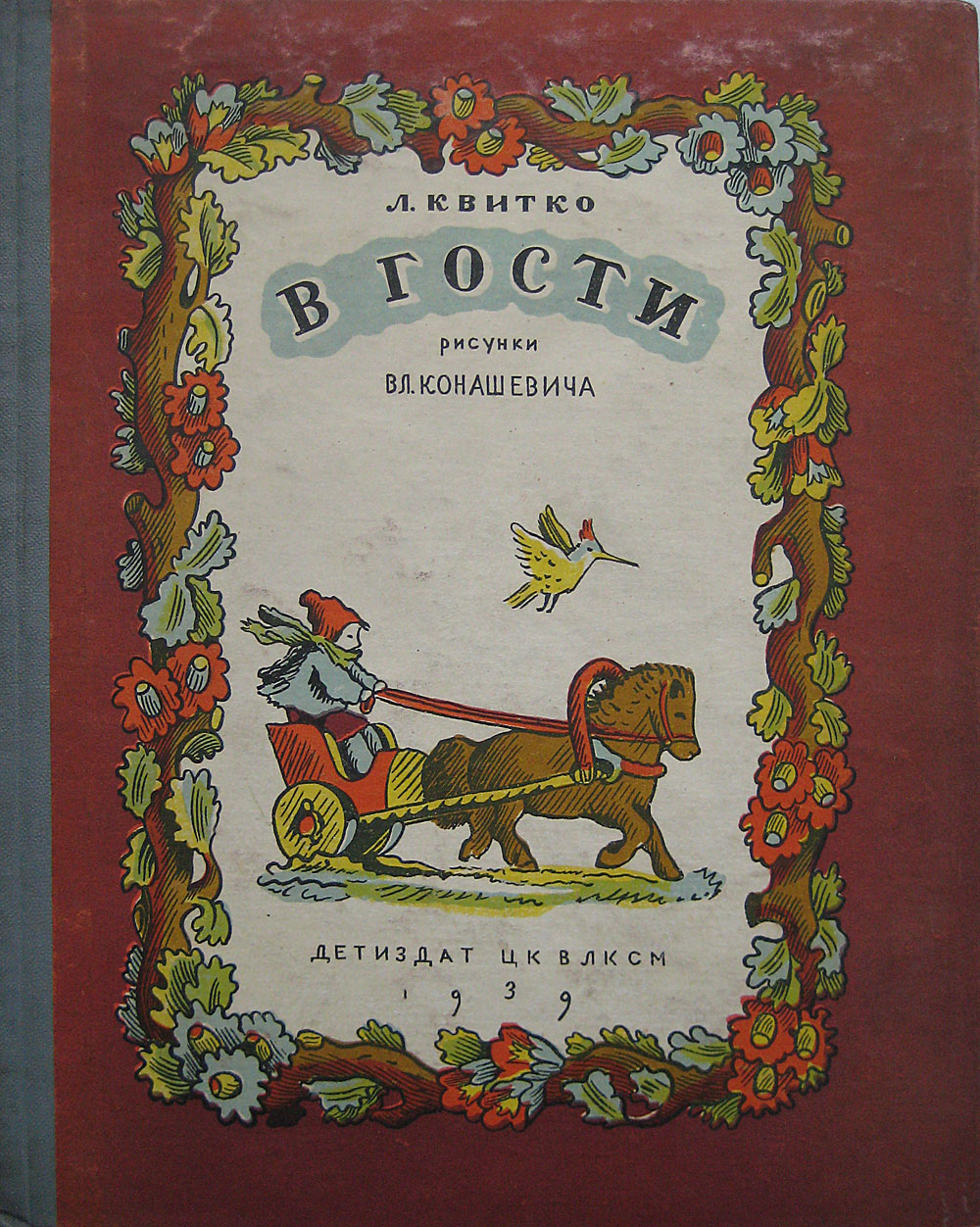
Vladimir Konashevych
Nikolay Radlov
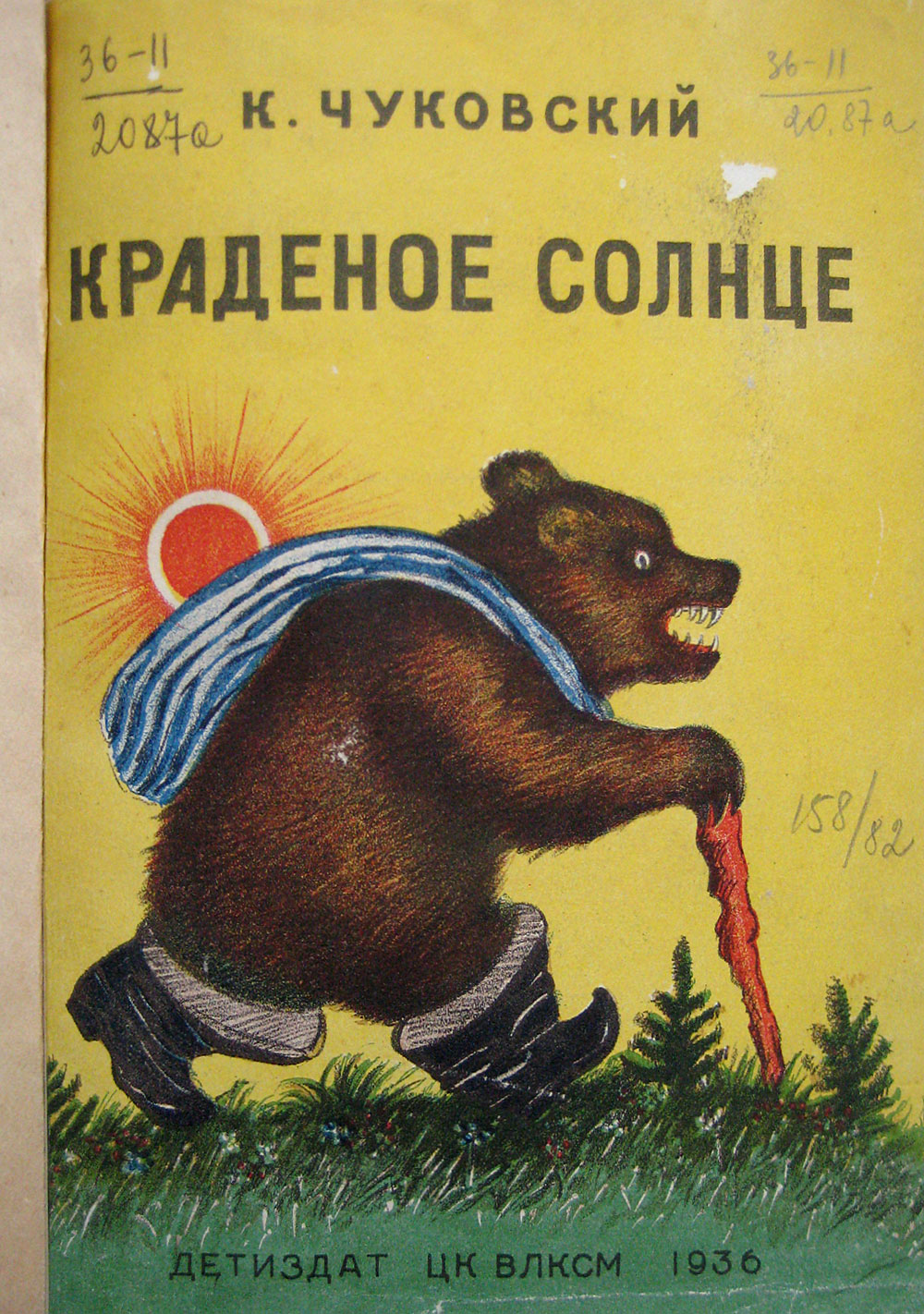
Yuri Vasnetsov
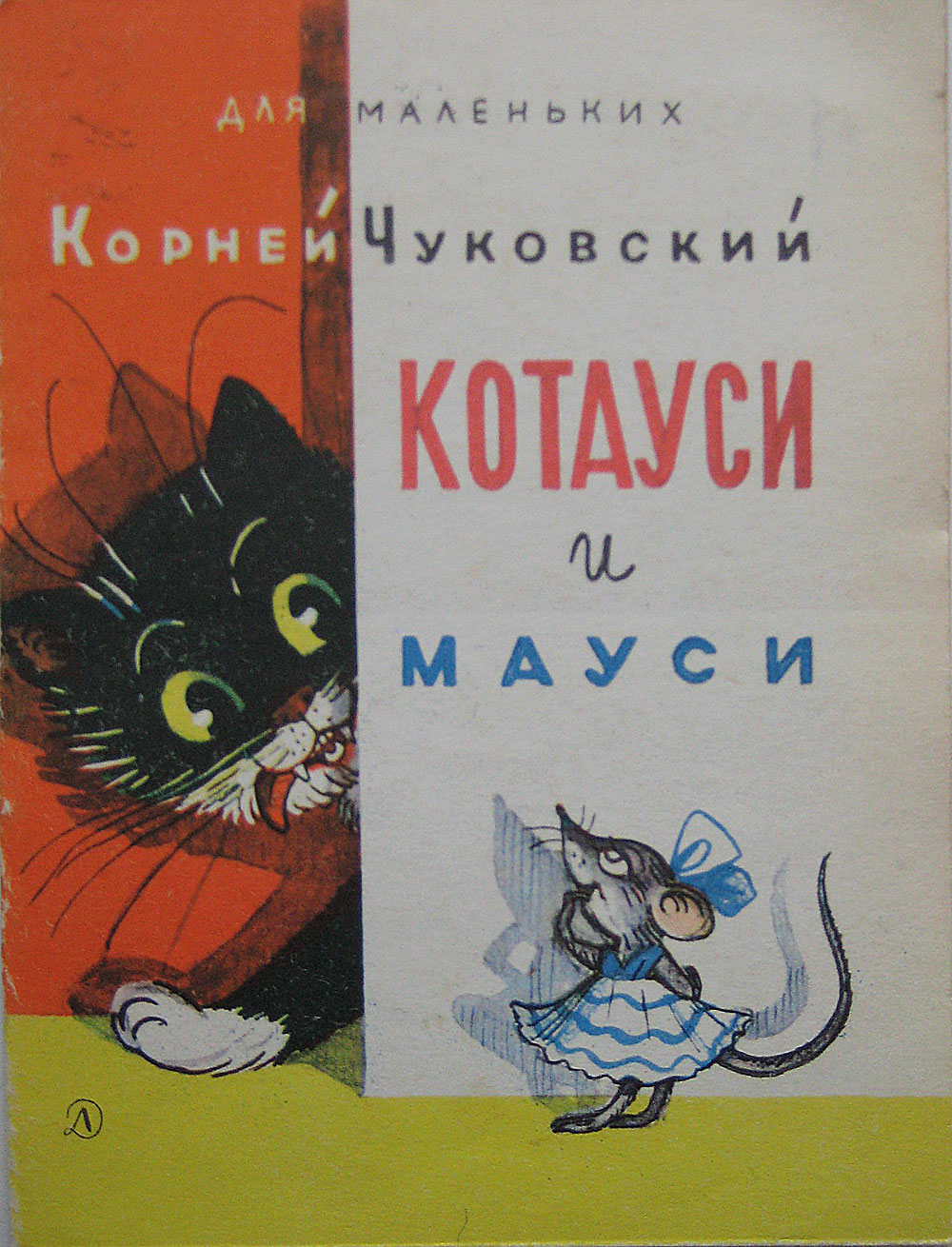
Vladimir Suteev
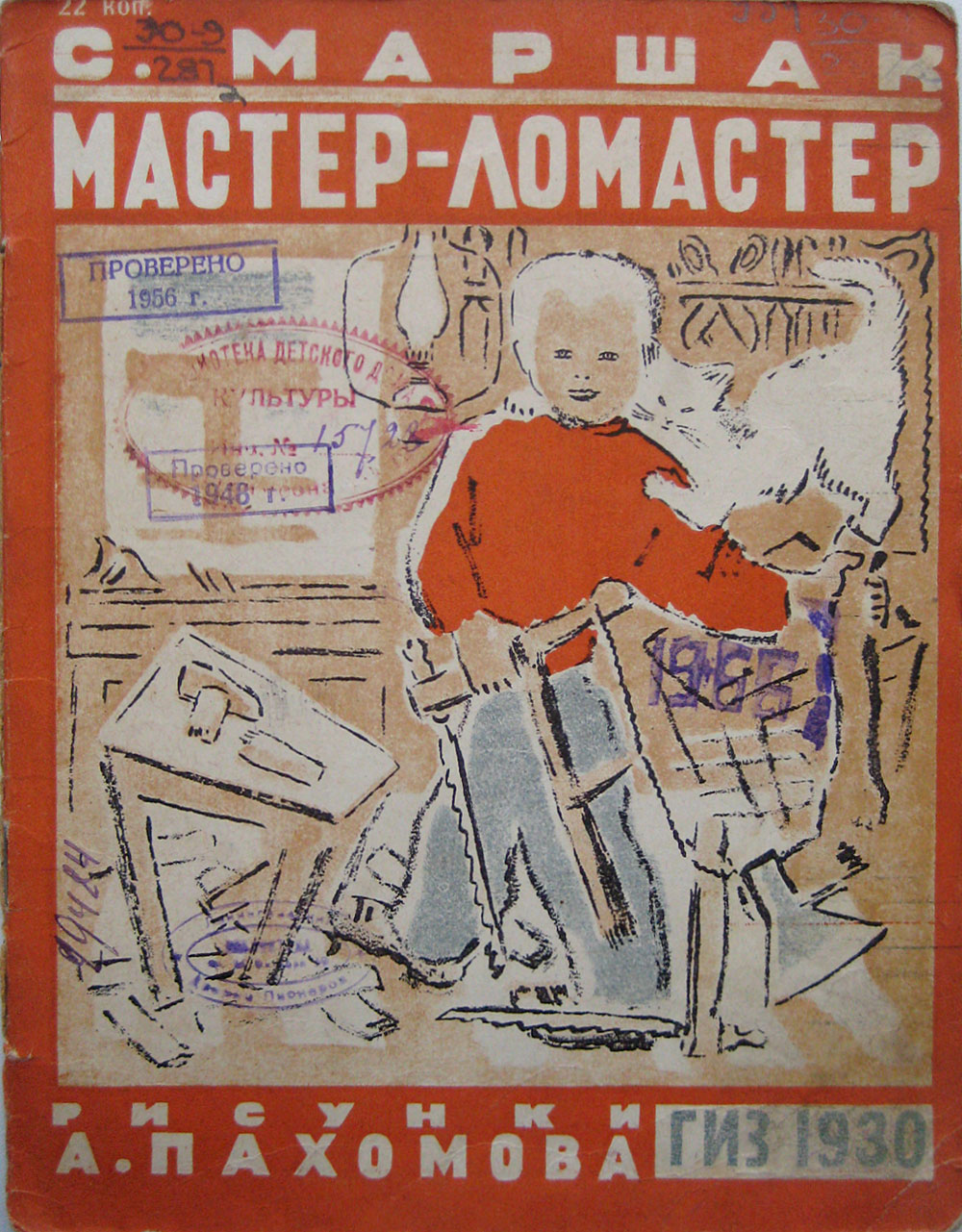
Anatoly Pakhomov
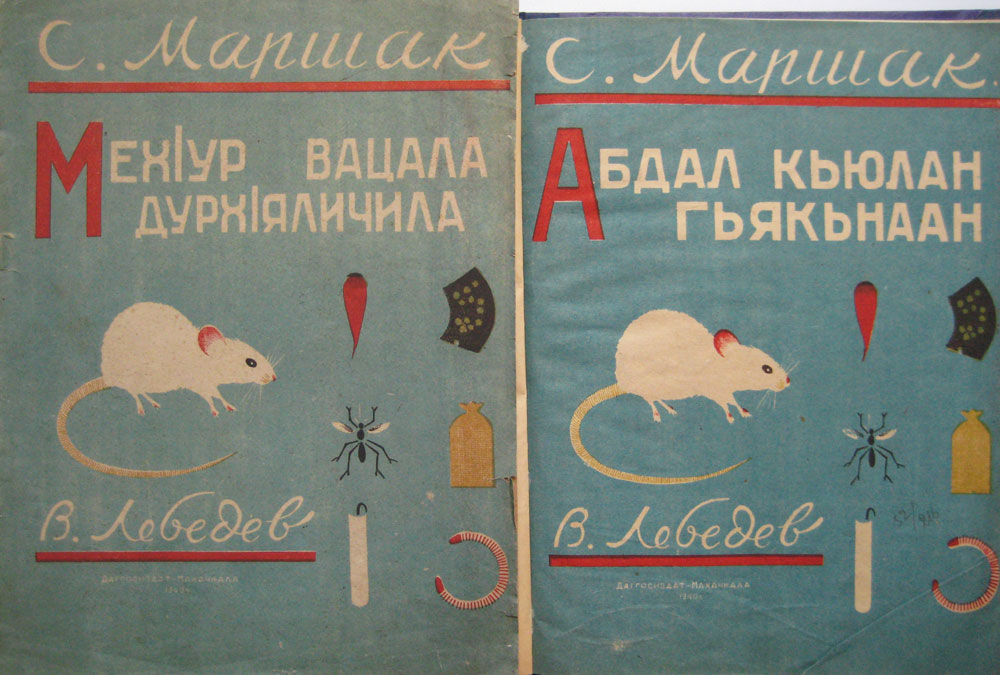
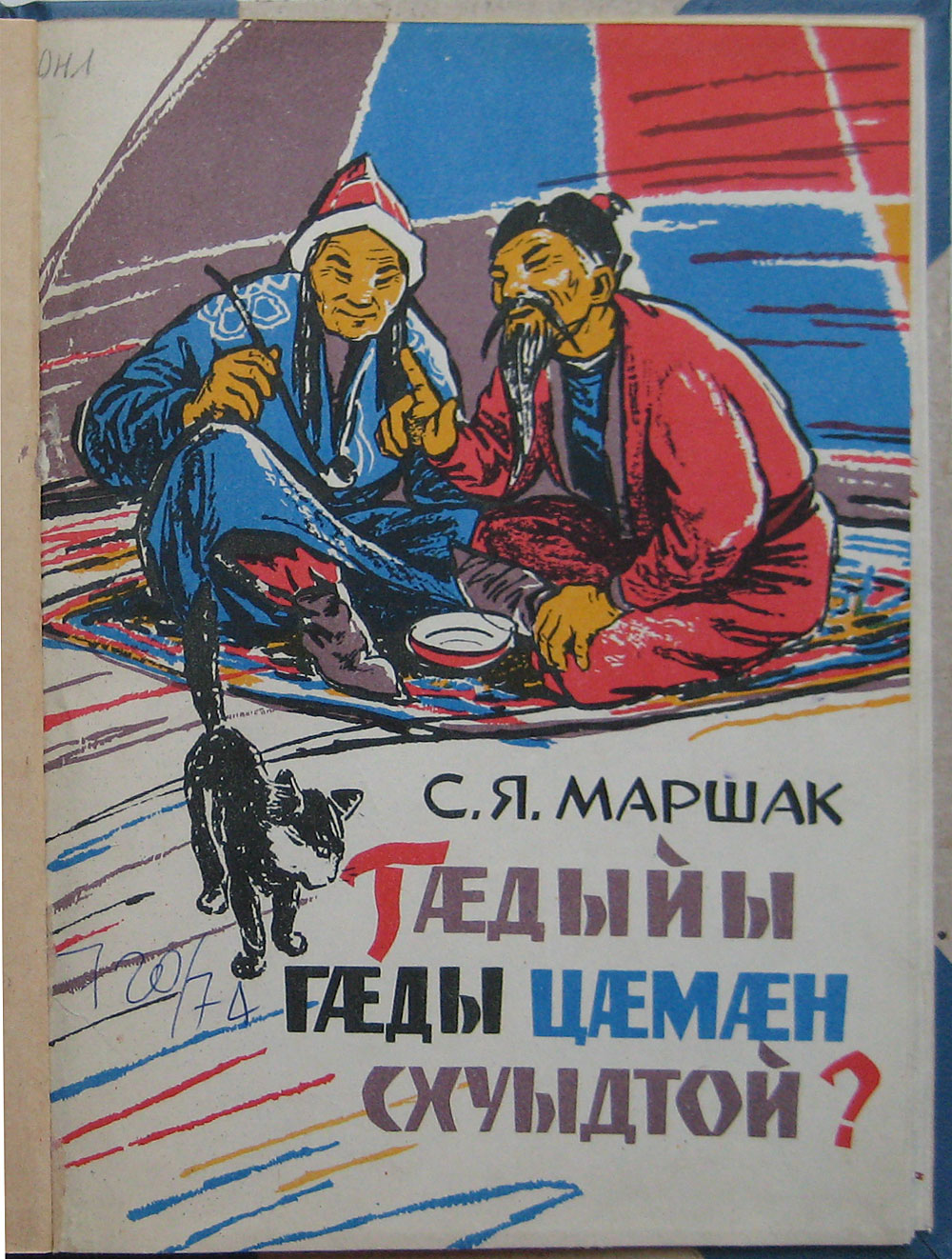
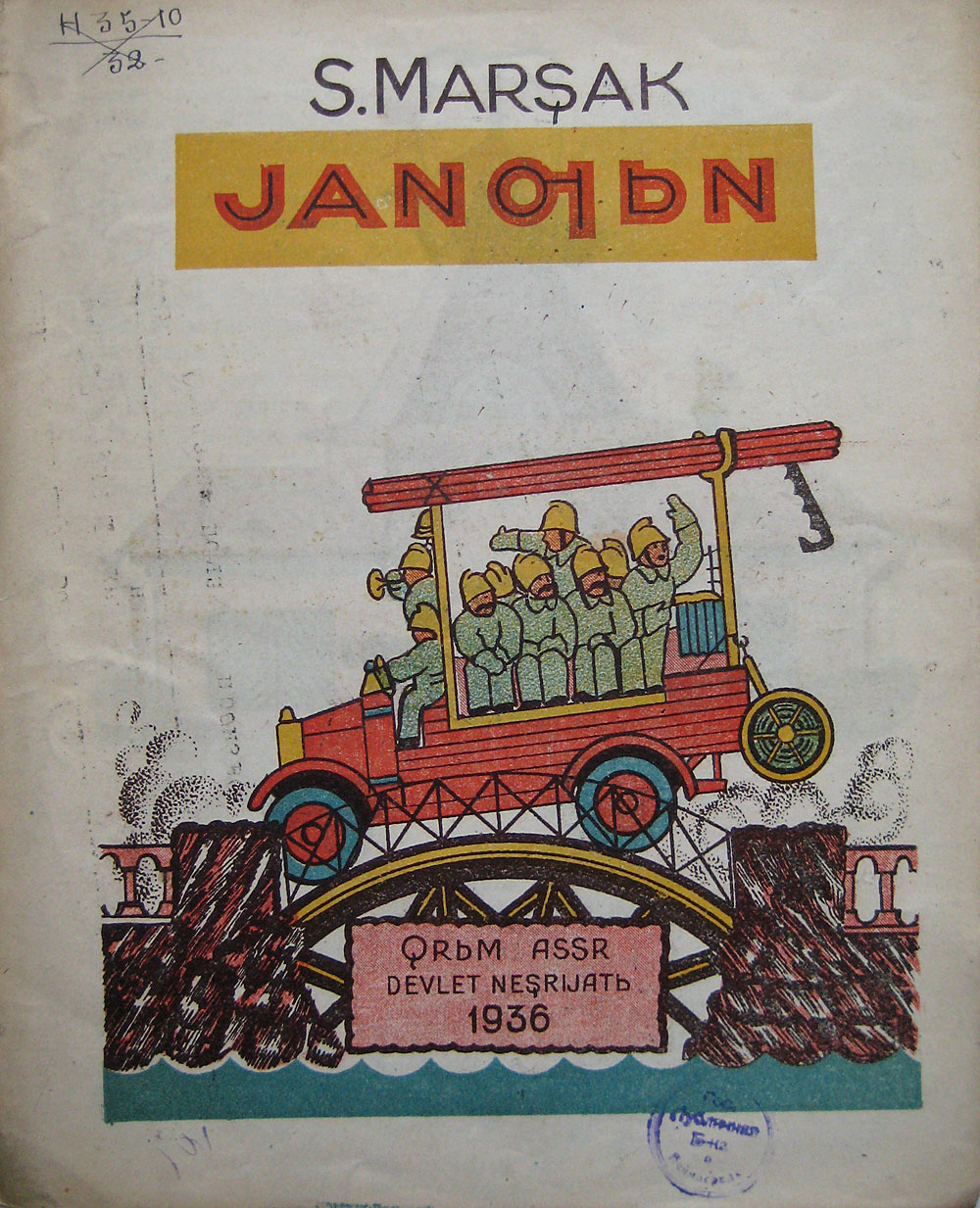
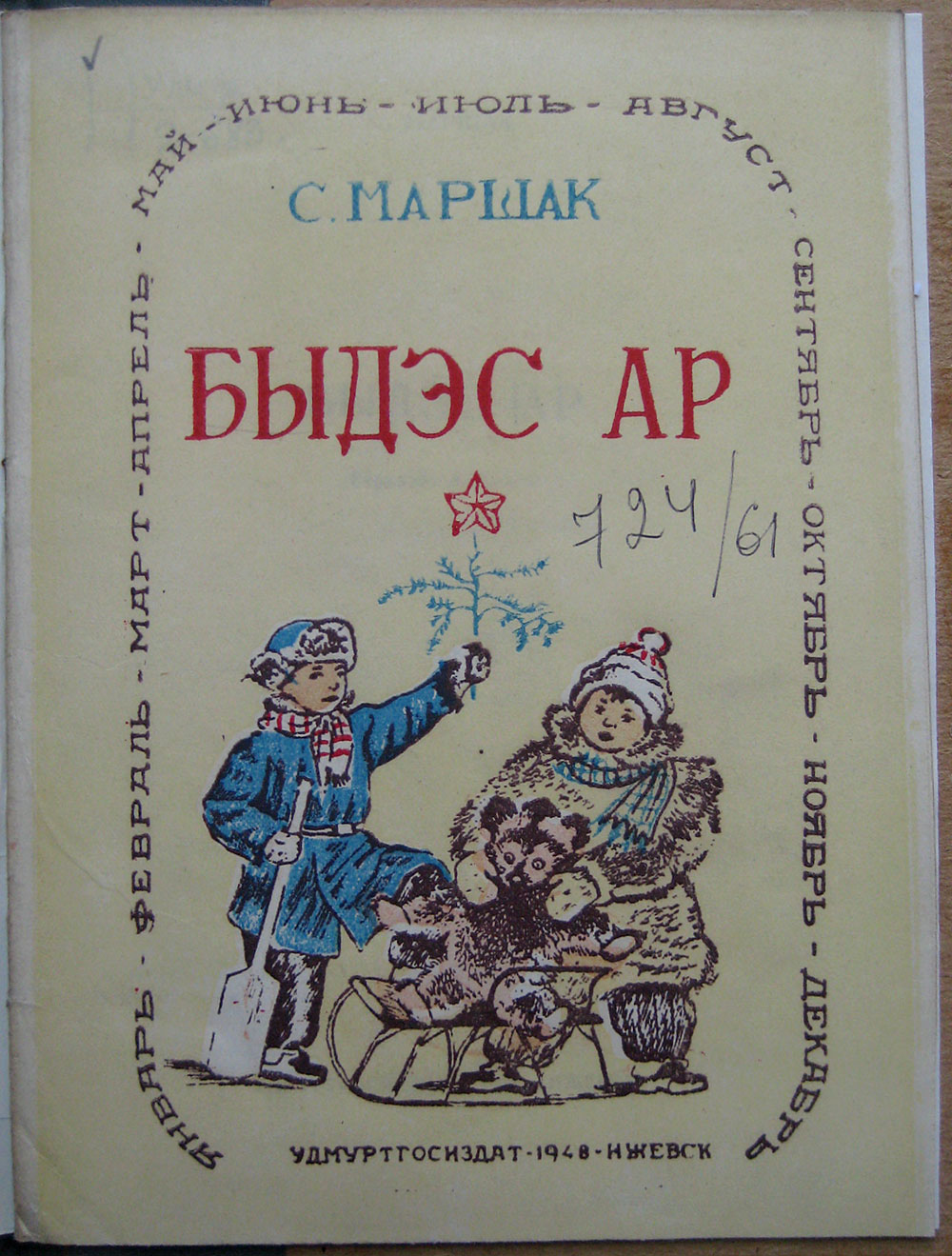
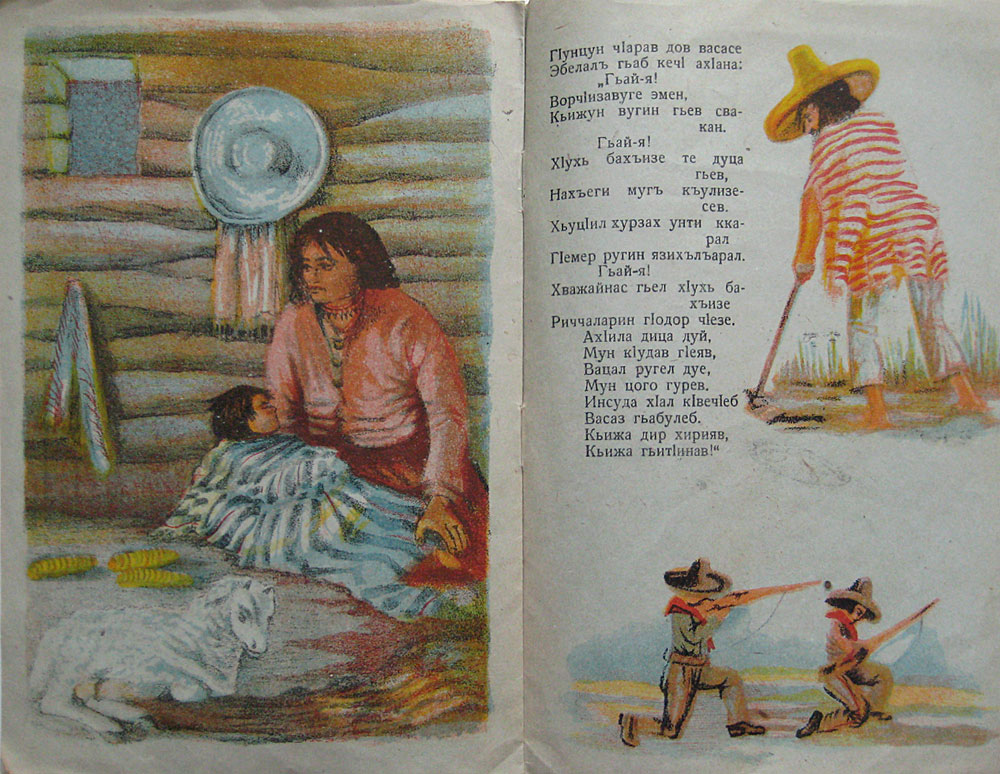
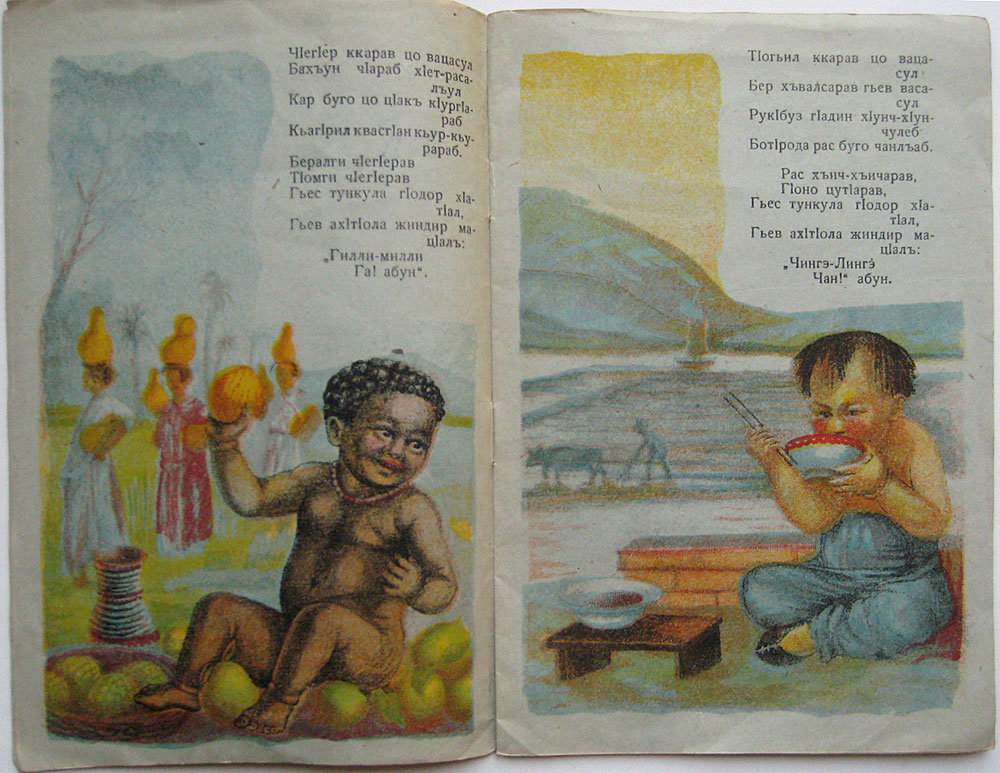
The Great Soviet Encyclopedia states that 'the Soviet Union's literature are developed on the scientific and educational basis, publishing plans are built according to age, theme and genre sections. Every year, almost 3000 children's books are issued, in a total number of more than 320 million copies. They are published in 65 languages of nations of the USSR'.
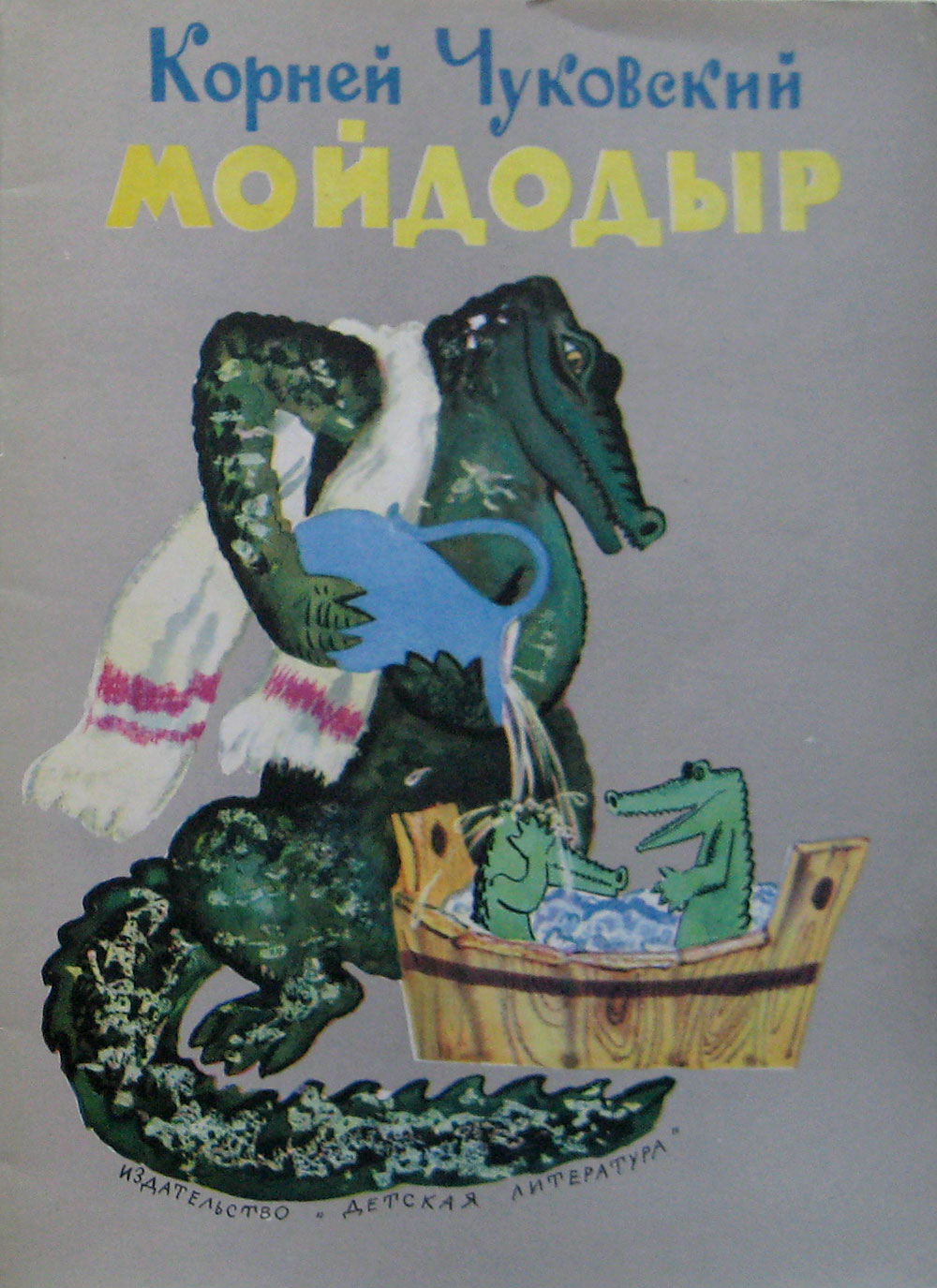
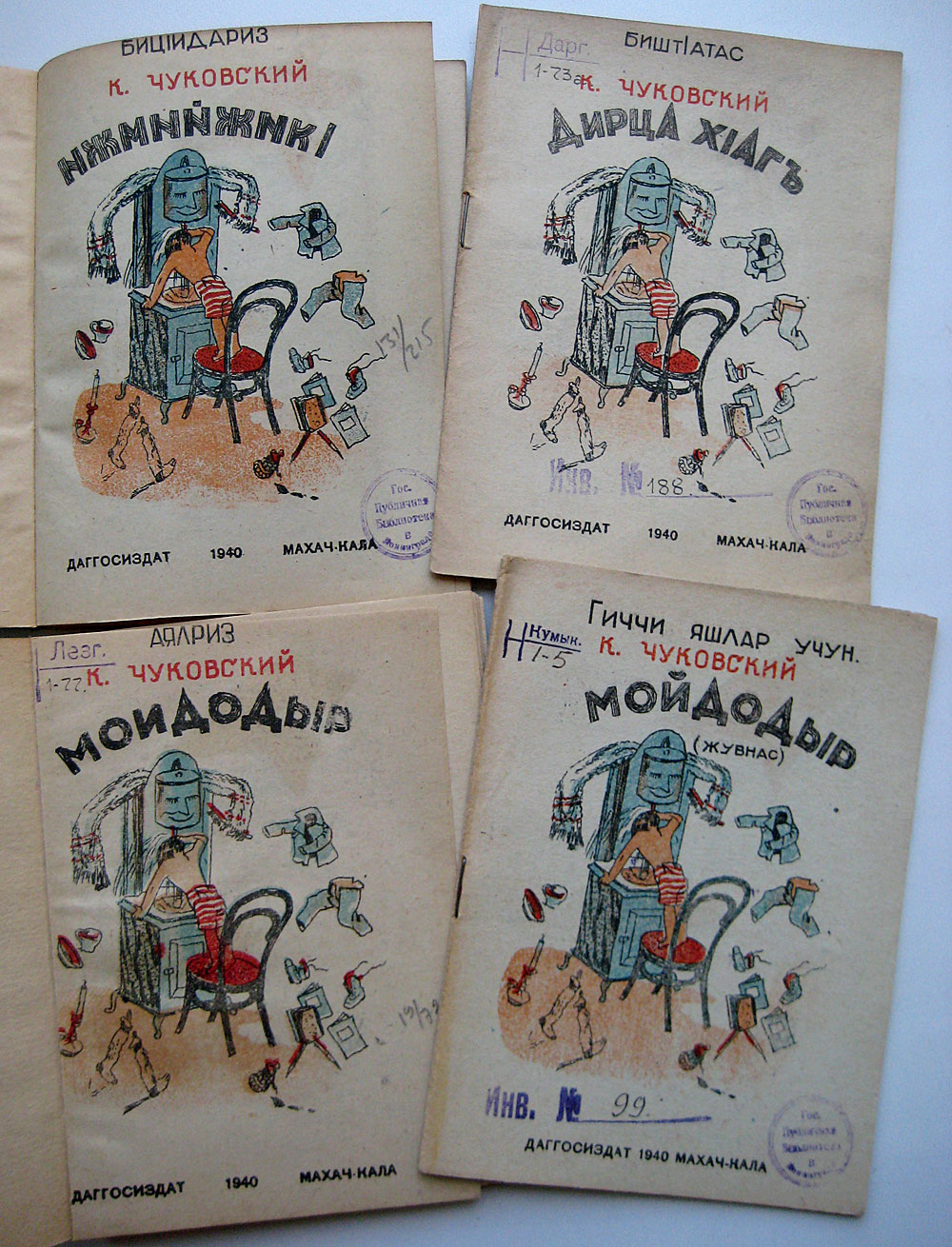
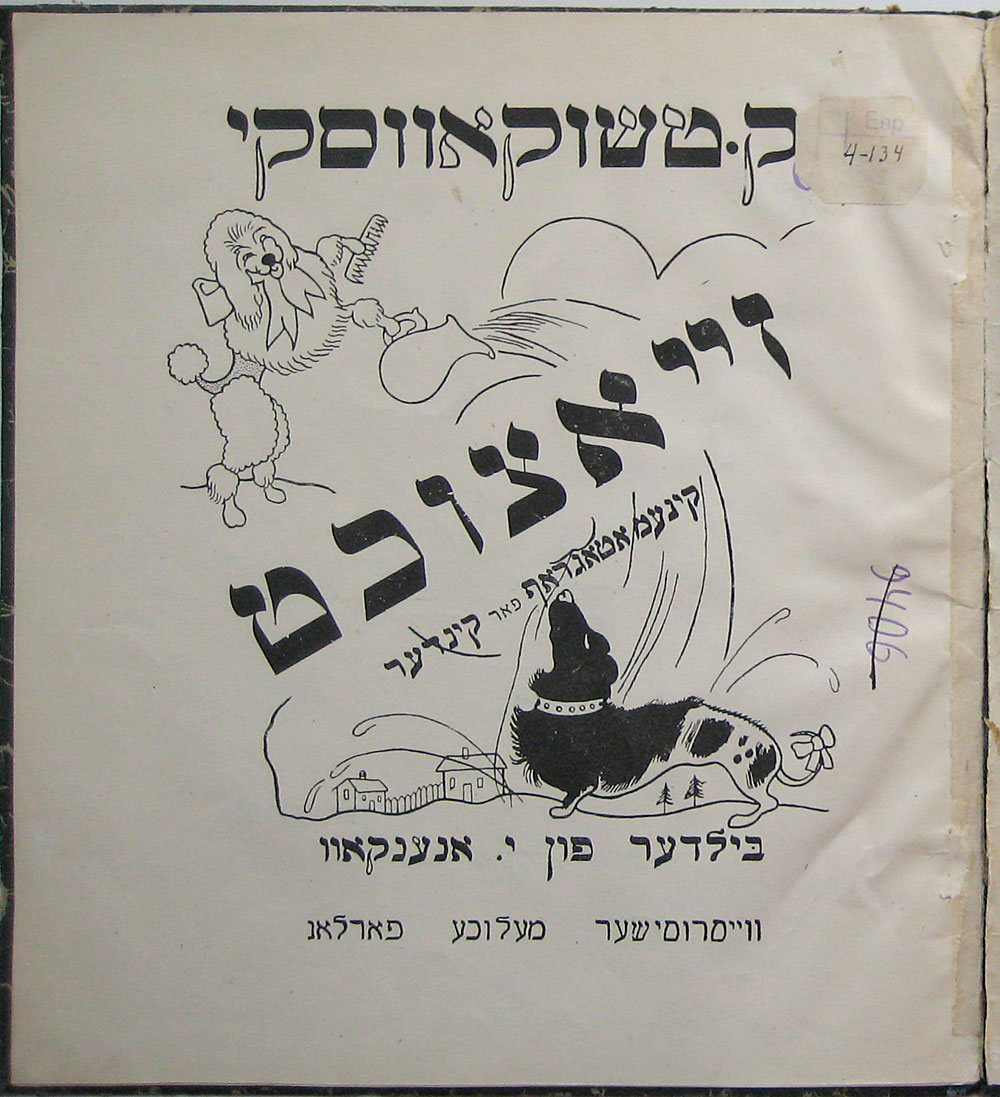
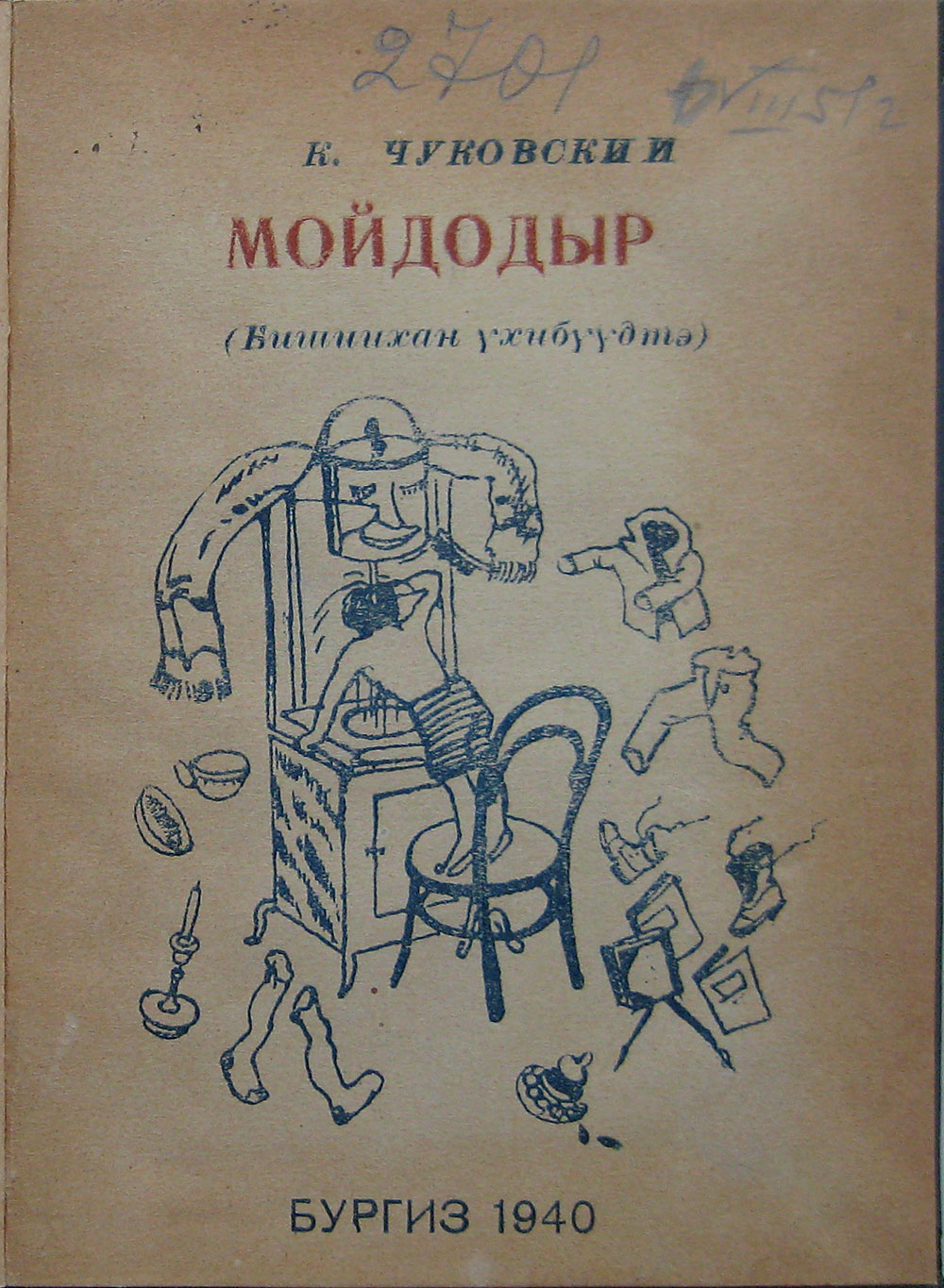
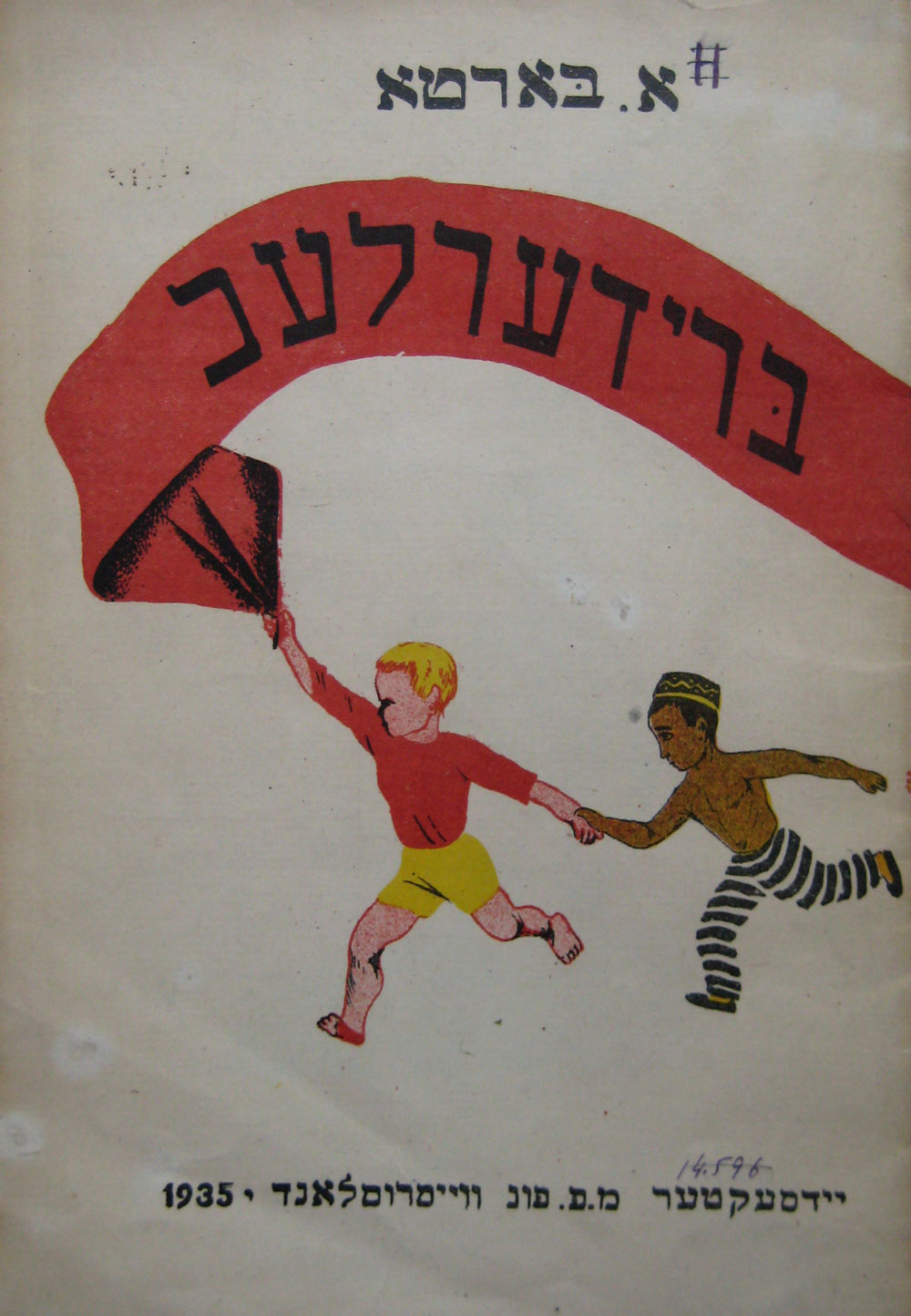
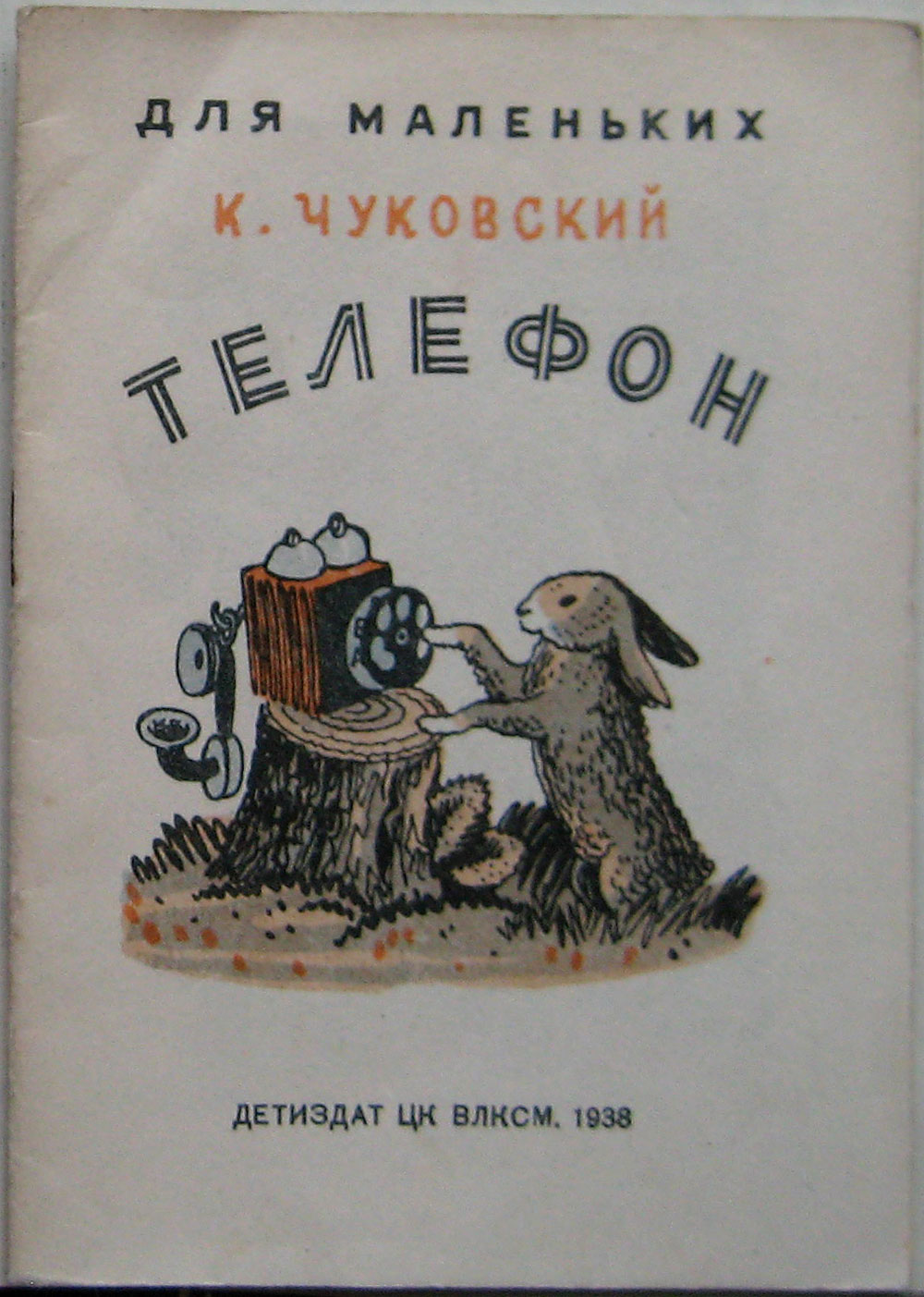
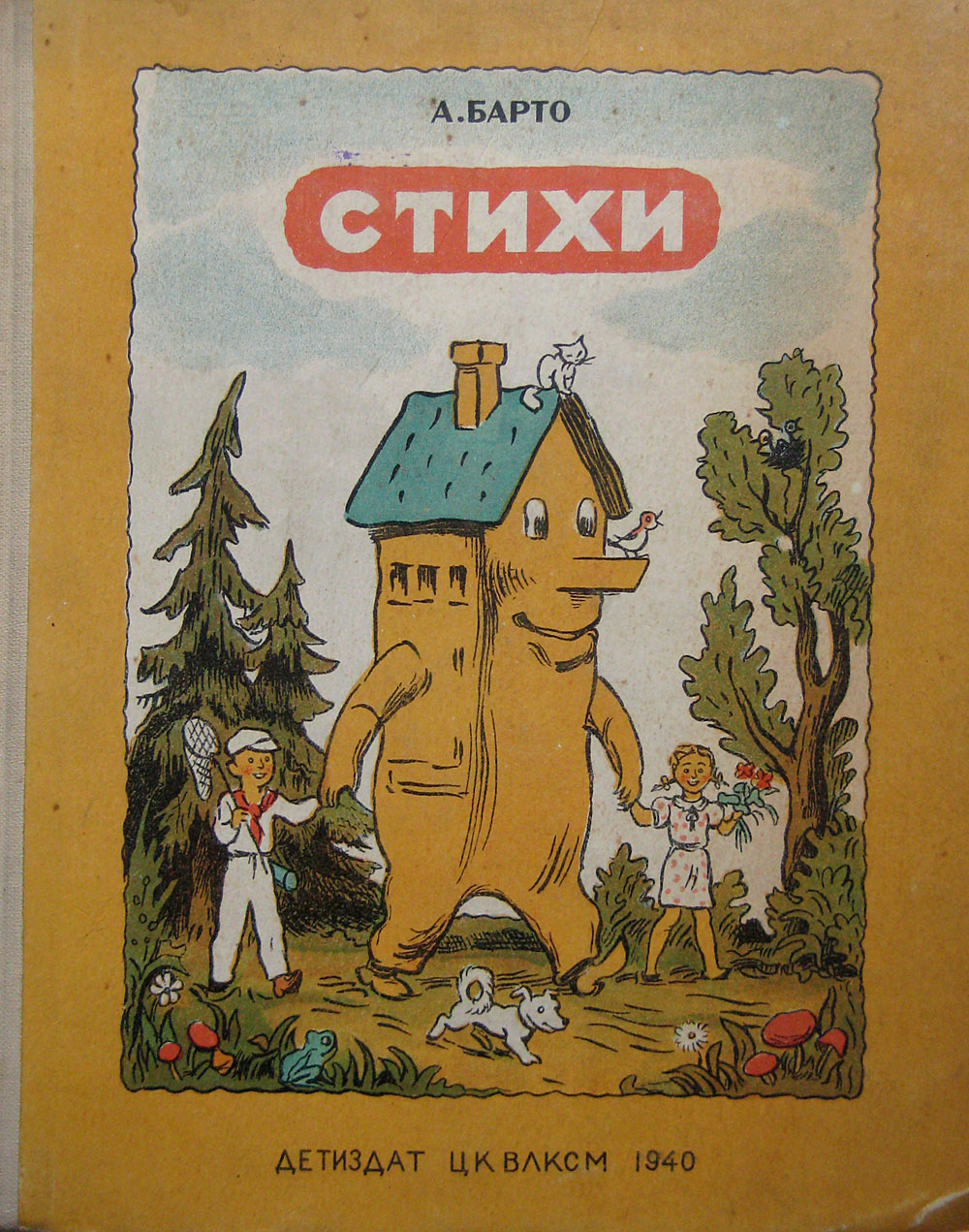
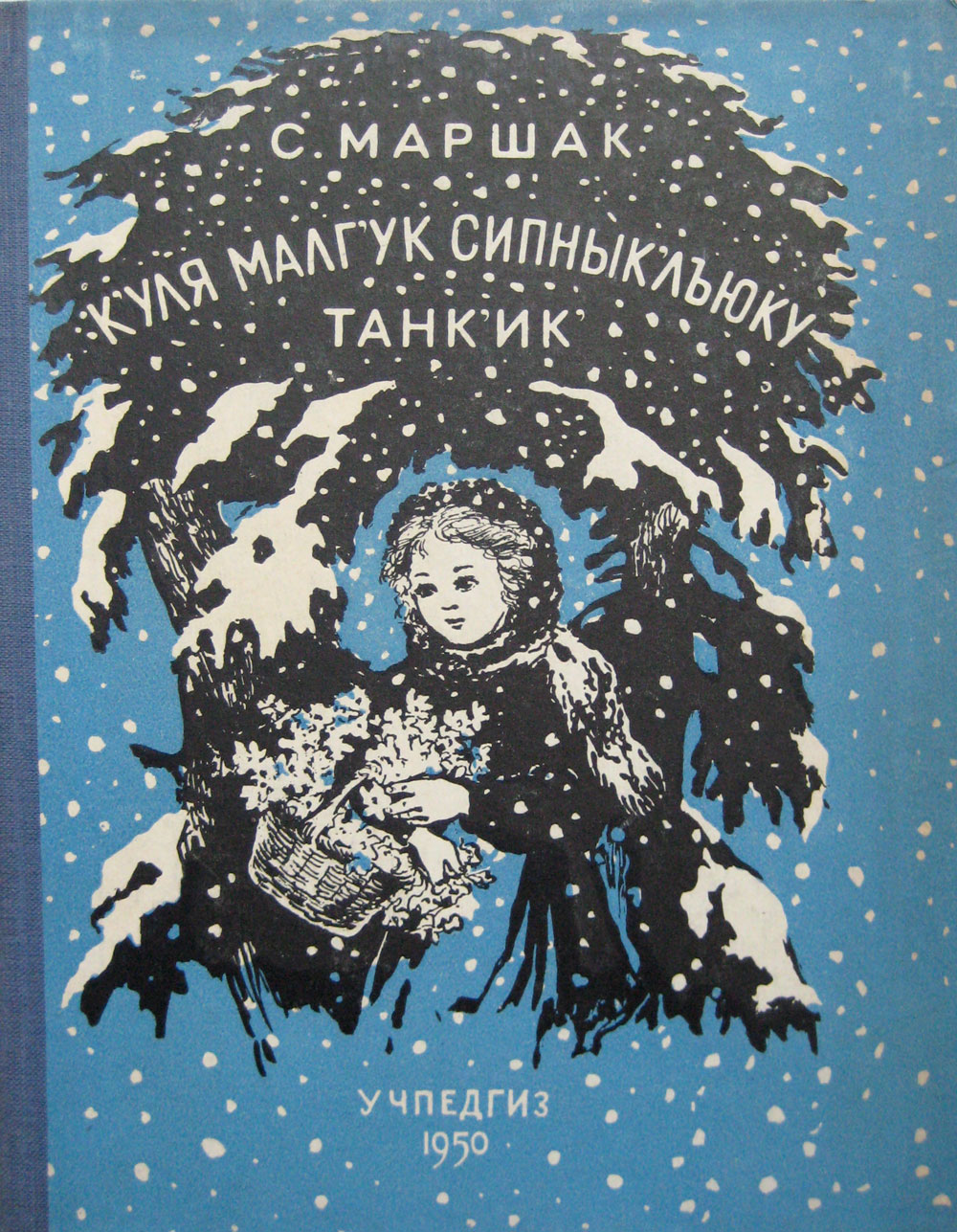
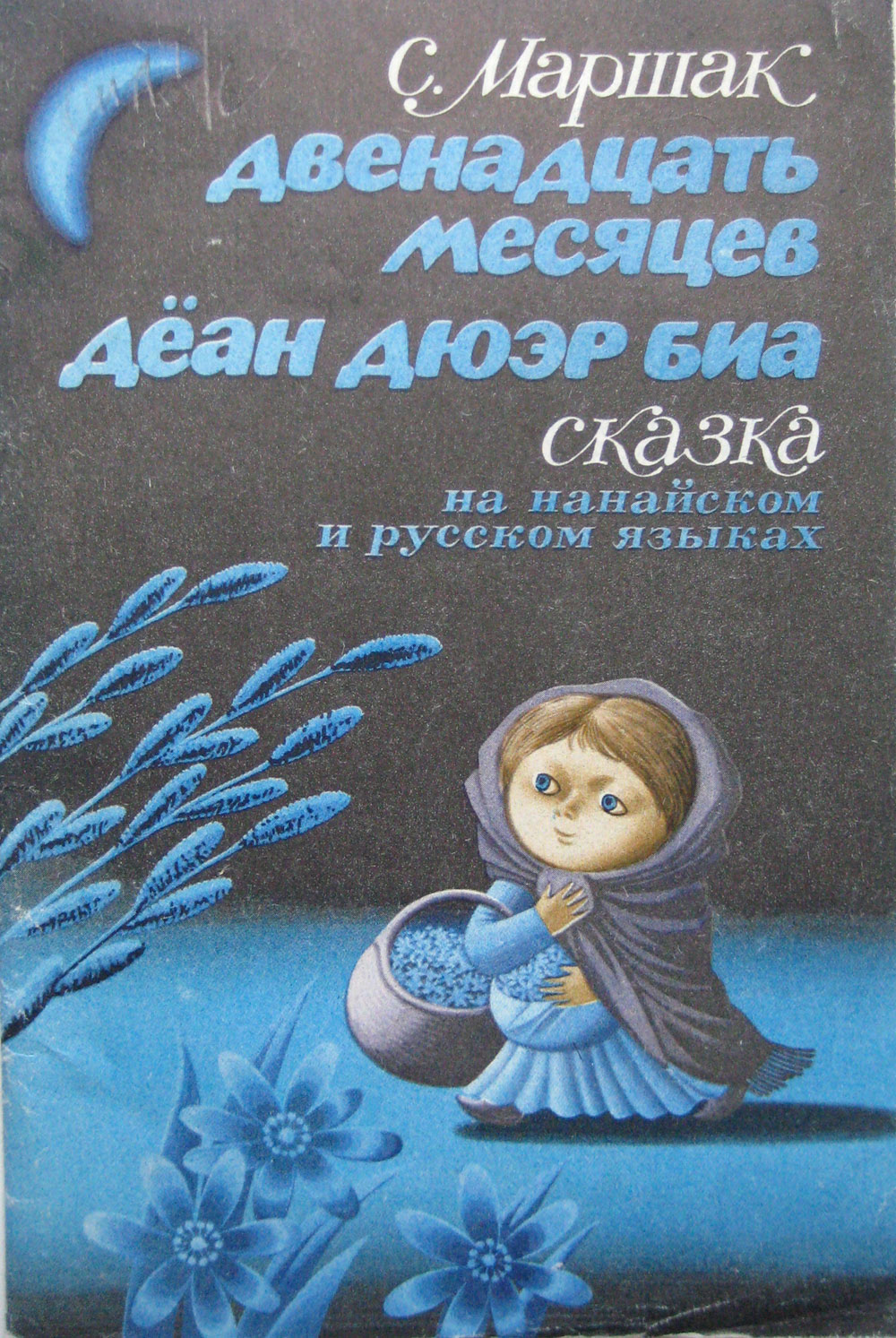
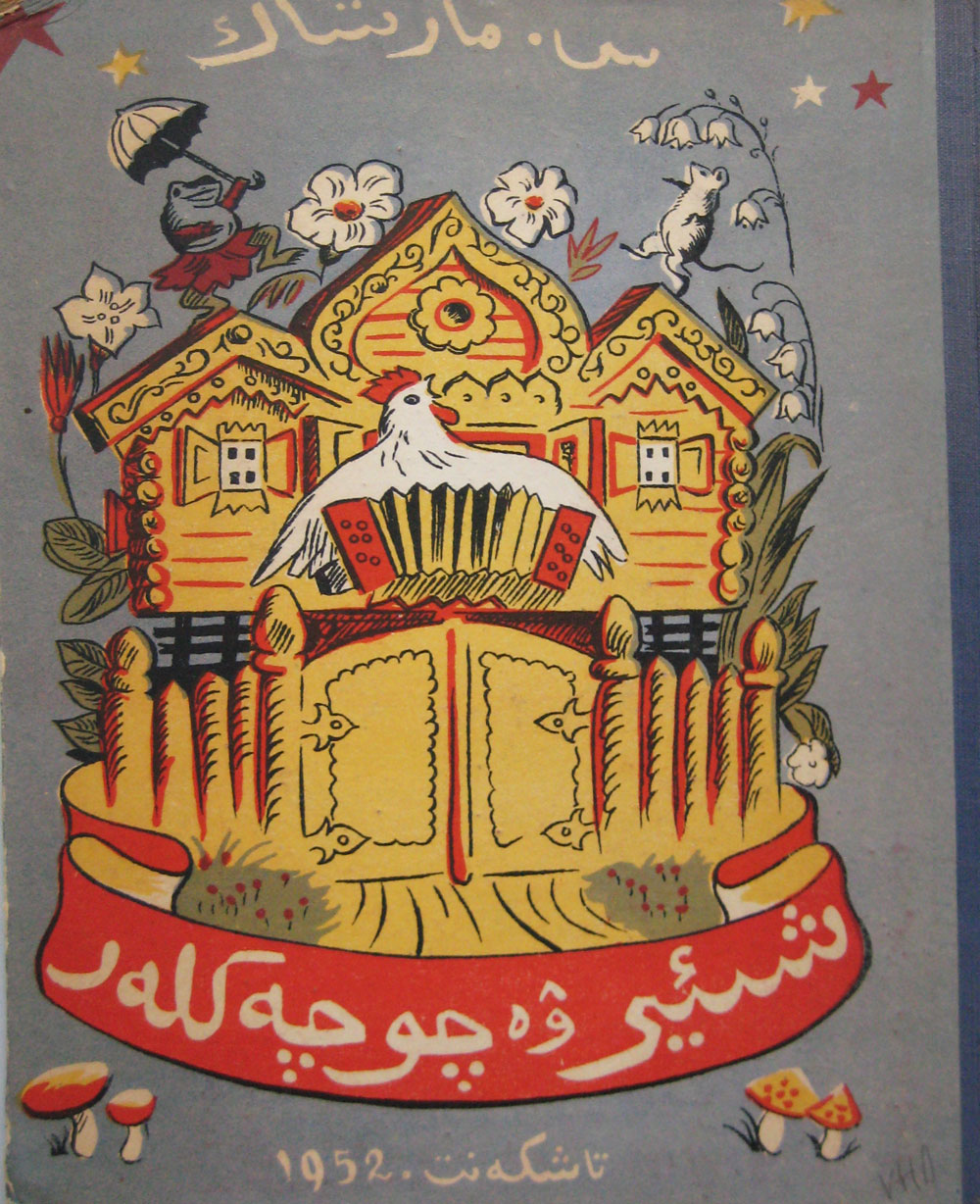
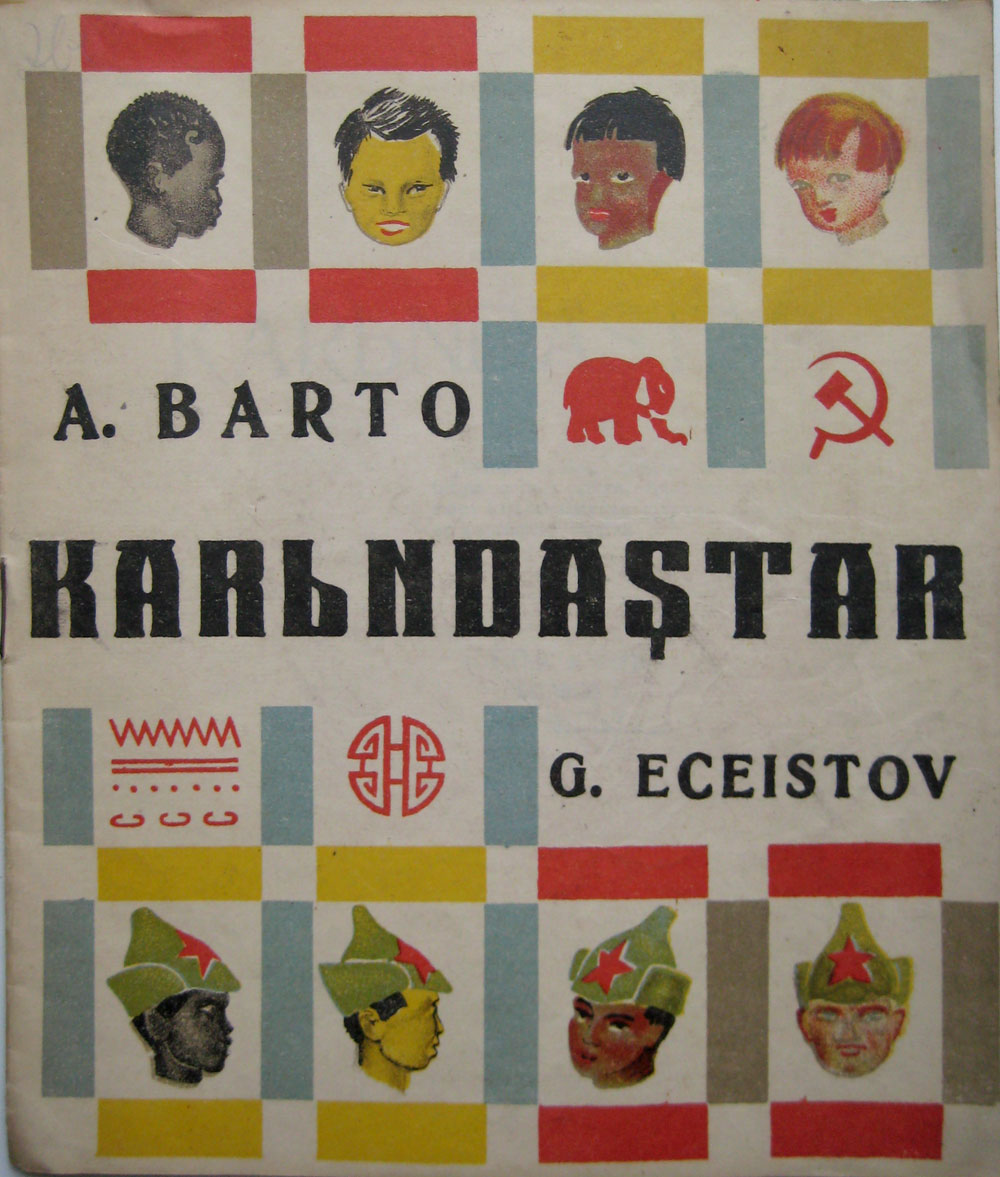
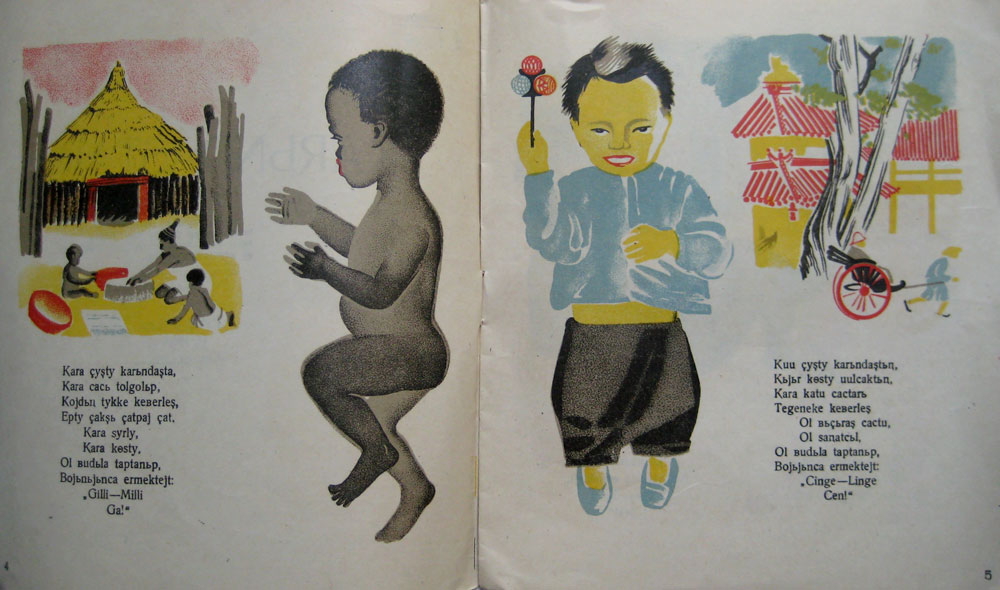
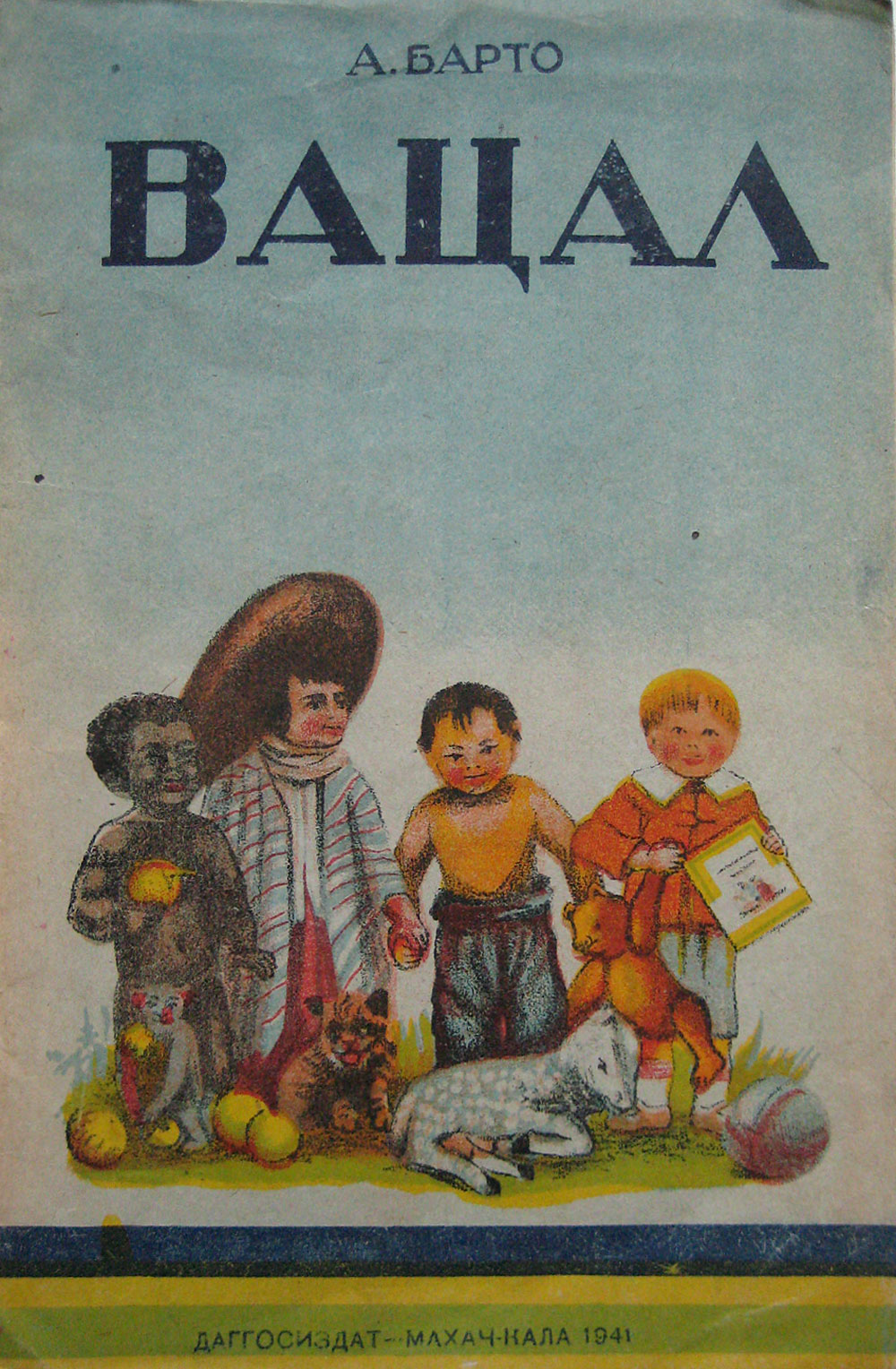
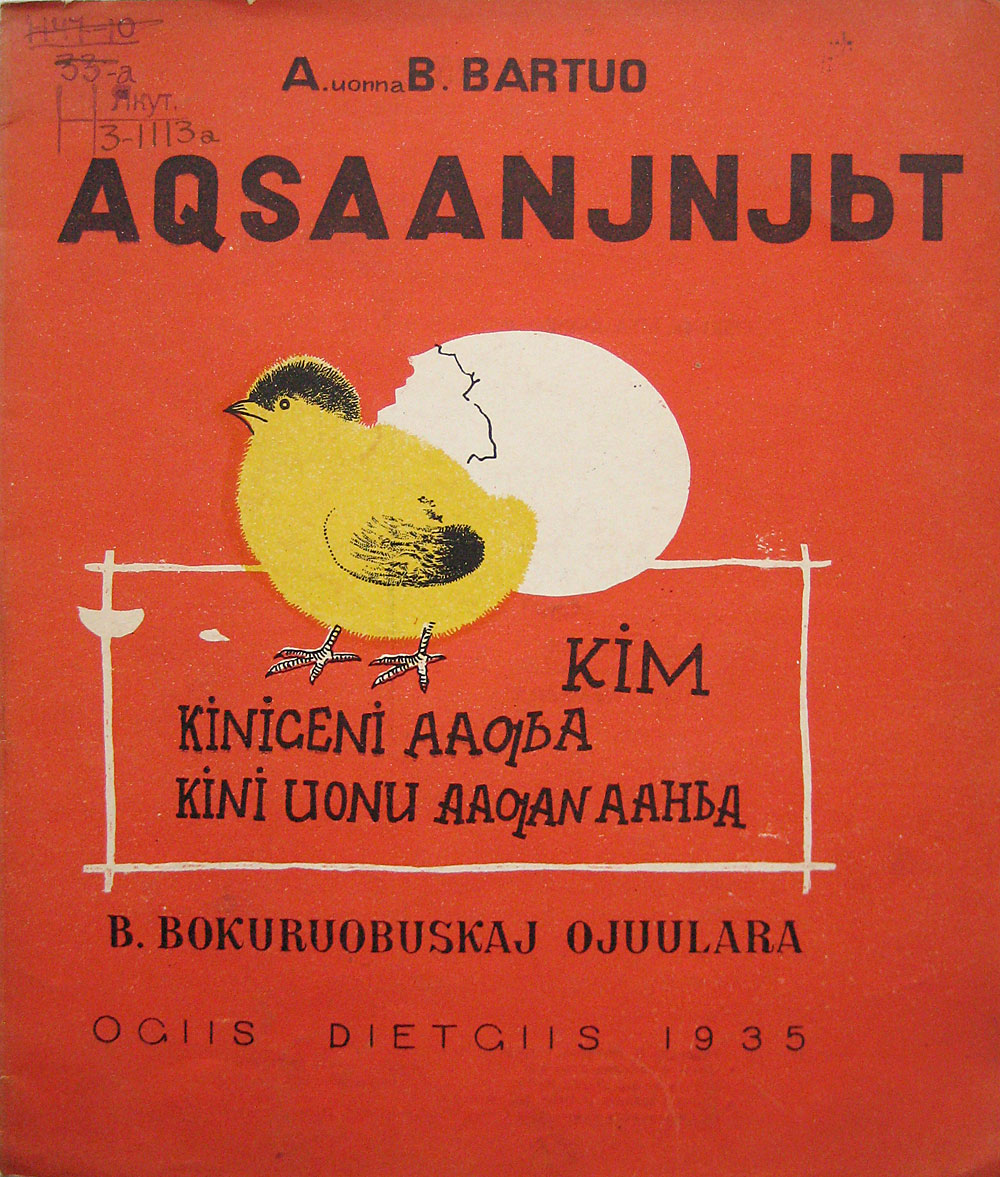
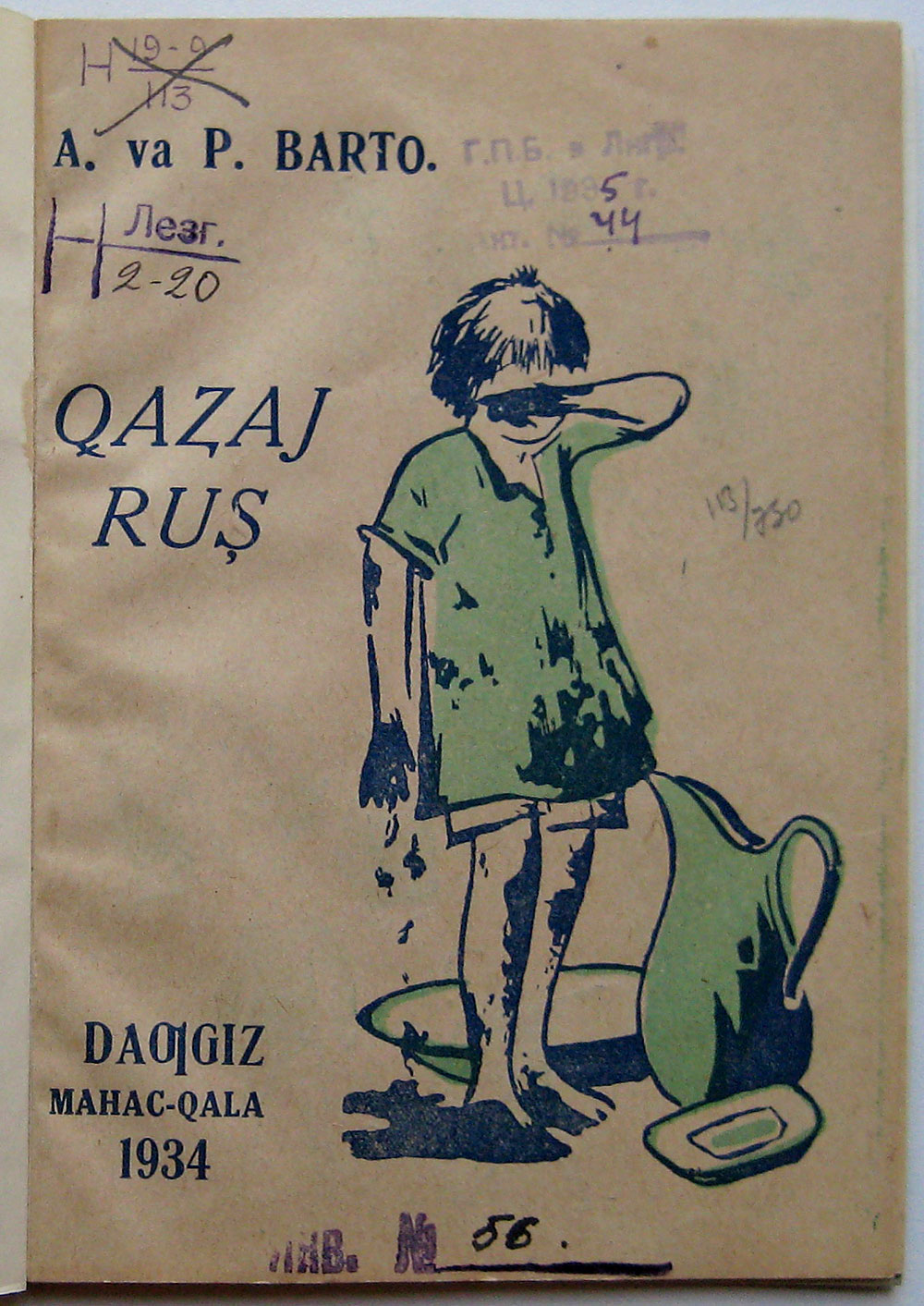
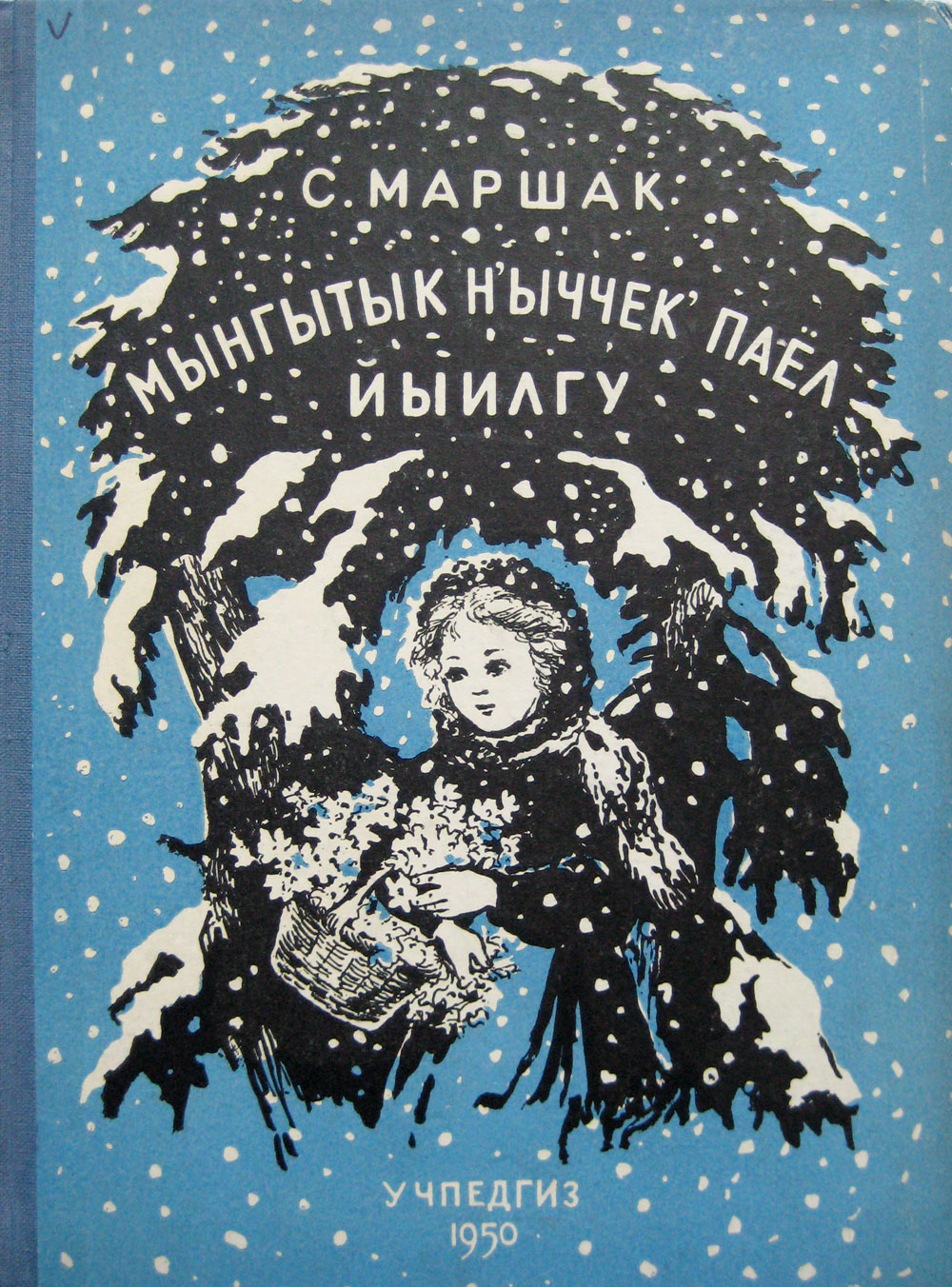
The bibliographic aids of the NLR, in addition to purely utilitarian function of searching relevant literature, can be regarded as an unrivaled historical source. All over the world, traditional catalogues are gradually replaced by electronic, but the information they currently bear will never become obsolete, because of its specific character. Take, for example, various notes and marginalia on catalogue cards. How much can they say to the discerning user! For instance, the Catalogue of the National Literatures gives an idea of the rich Soviet multinational culture of the country and of the principles that publishing obeys. On the one hand, the catalogue shows that the best children's books became accessible to a huge audience in record short time. Works by S. Marshak, K. Chukovsky, A. Barto and other writers were published in various languages, including the most exotic. Often one and the same book were issued in almost 5-10 languages at the same time!

On the other hand, catalogues show the degree of ideological pressure to which all kinds of art, including children's literature, were exposed in the pre-war years. This problem can be viewed from different perspectives. The high quality of texts evidence that criteria for selecting books to be translated were enough strict, especially in the 1930s.
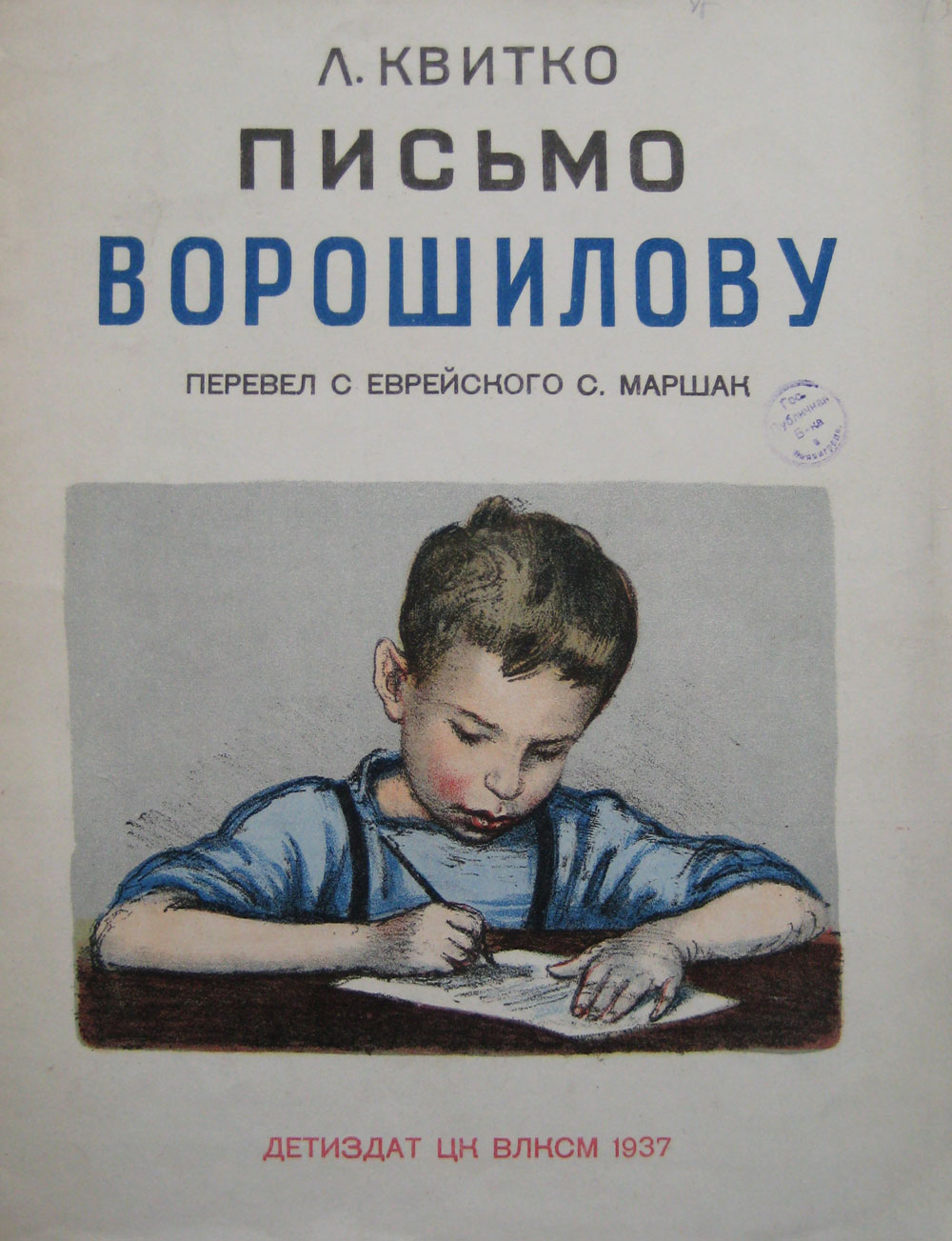
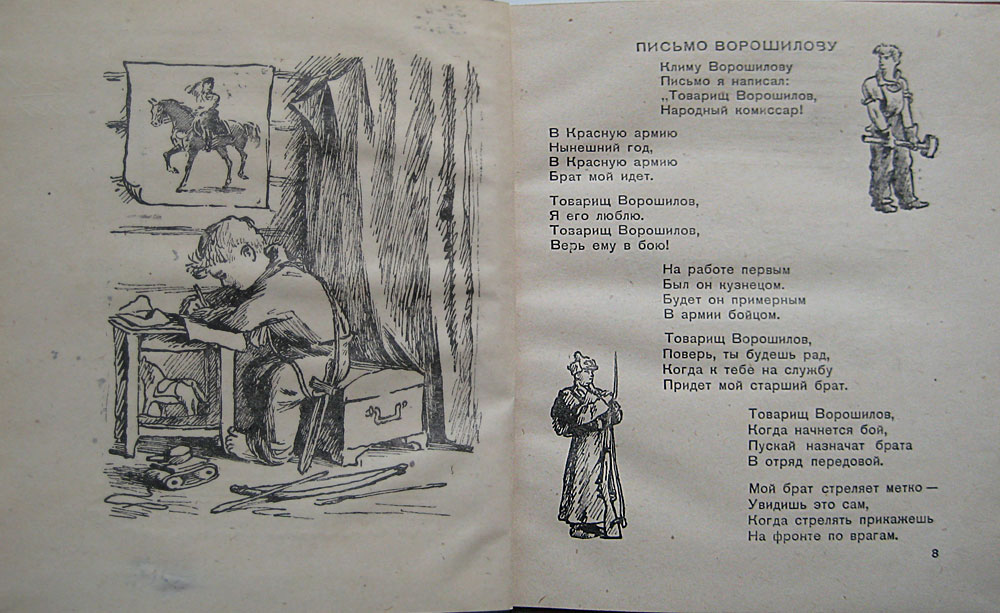

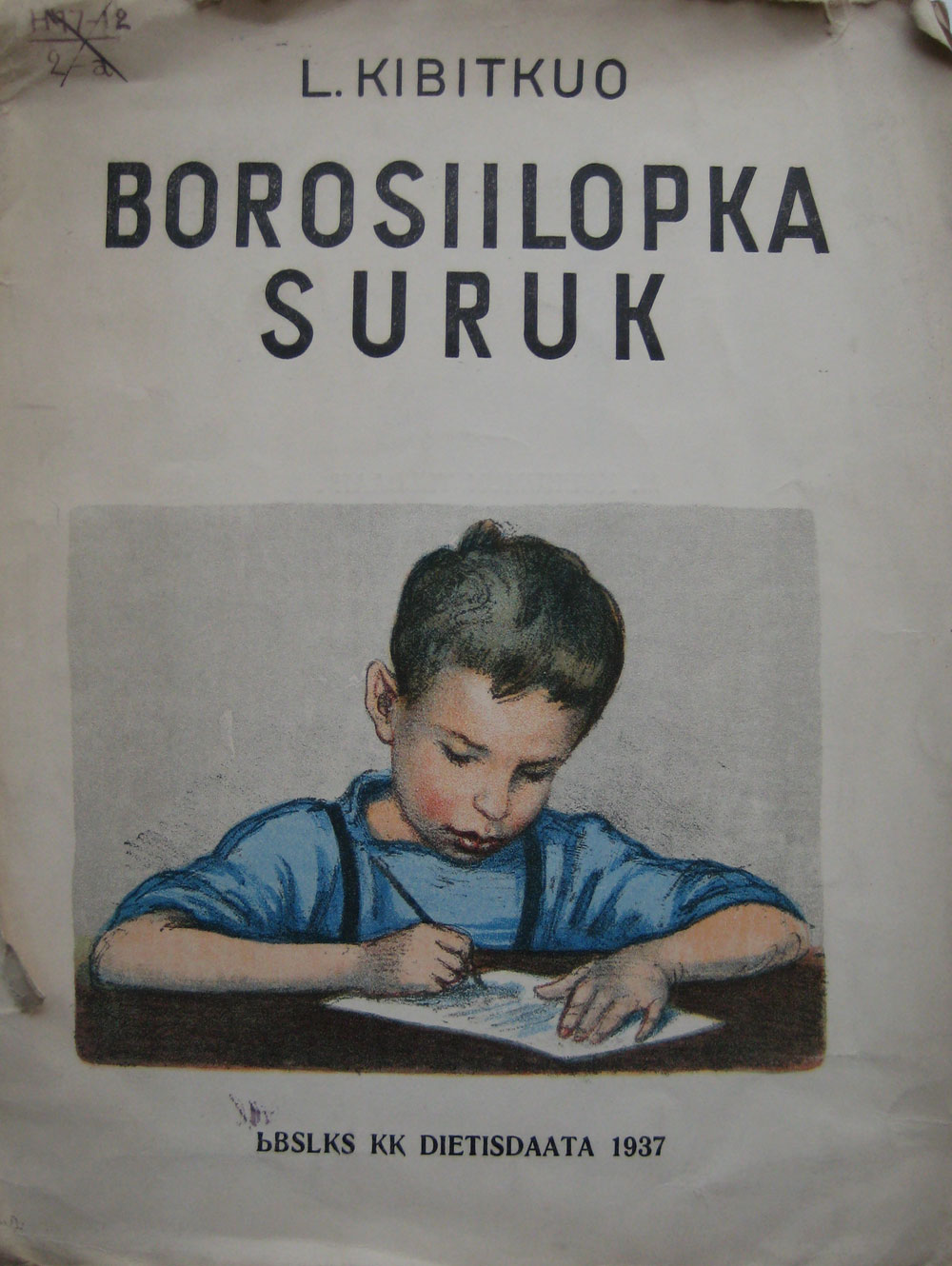
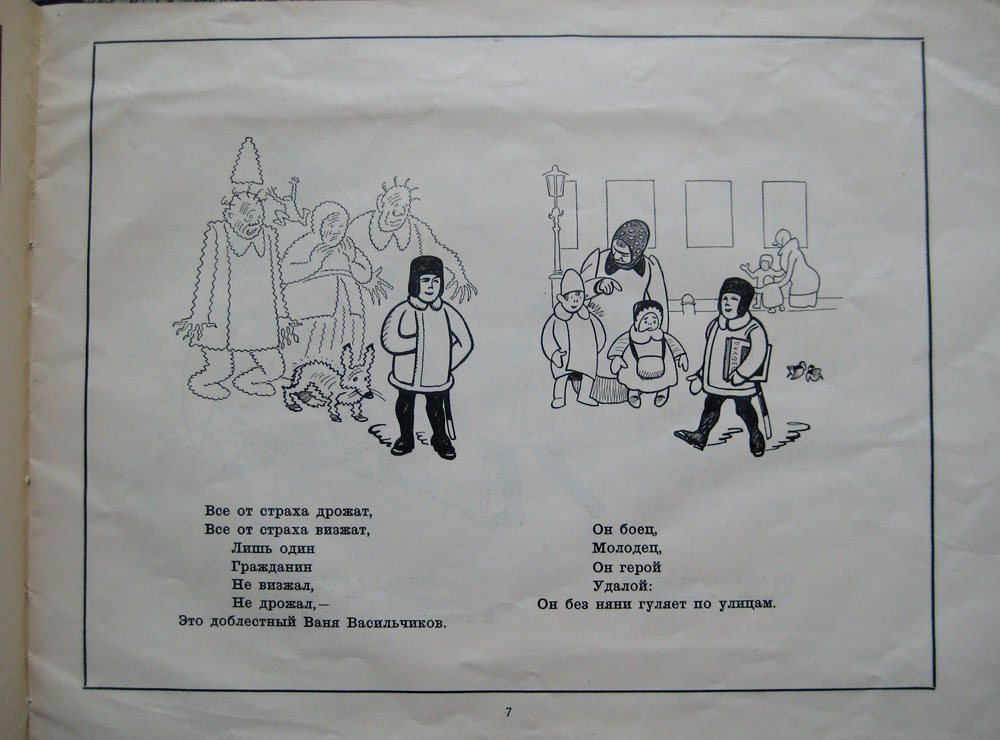
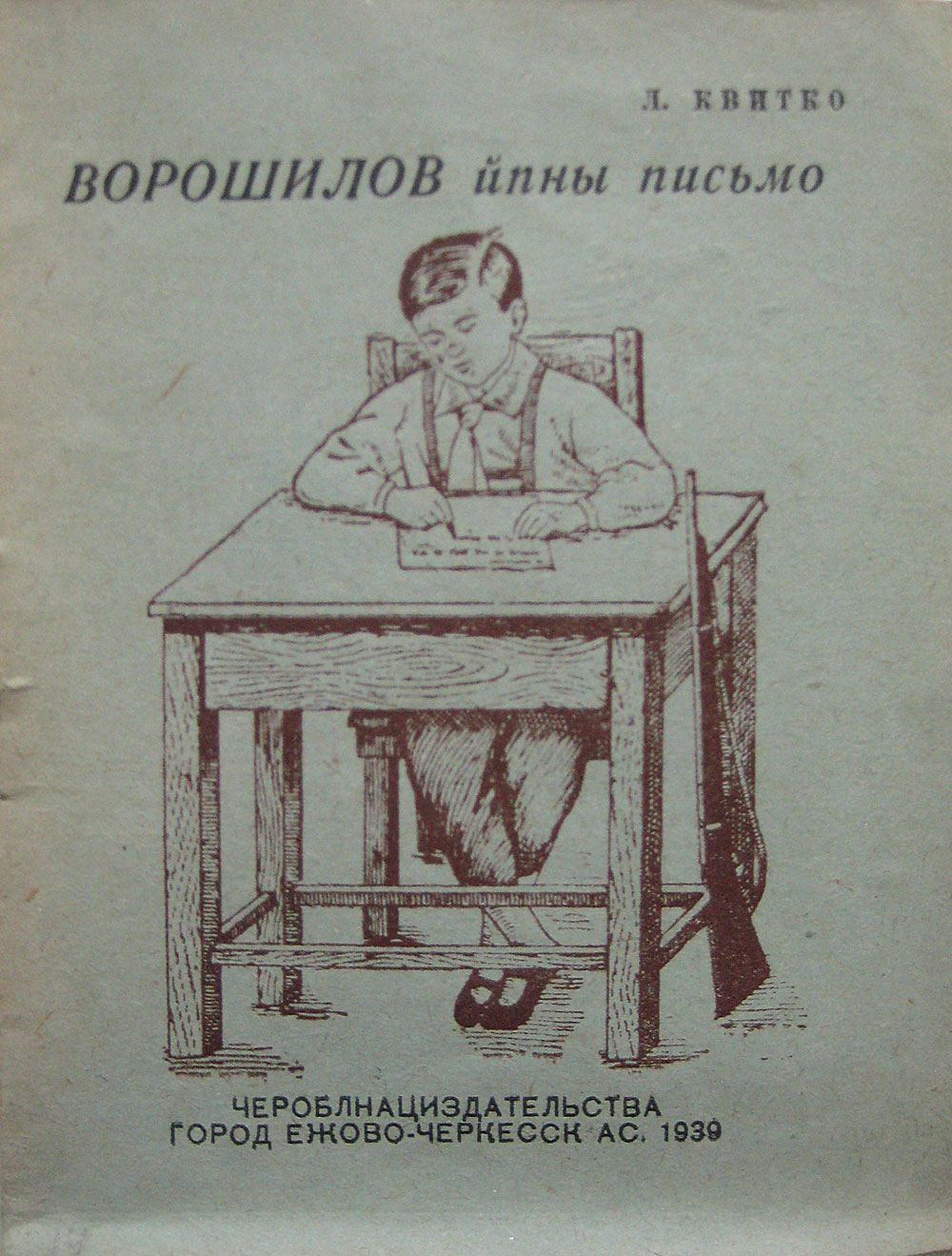
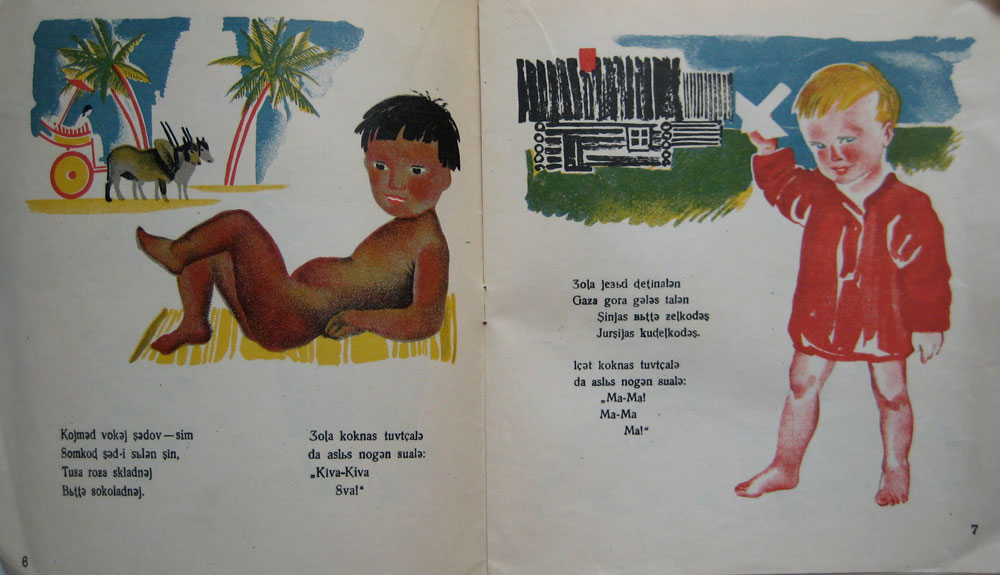
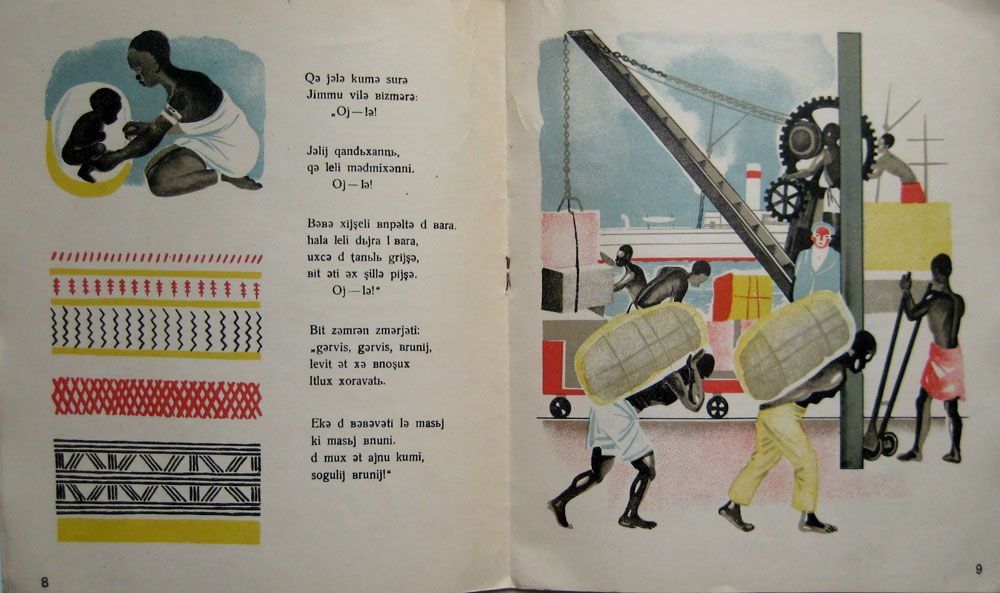
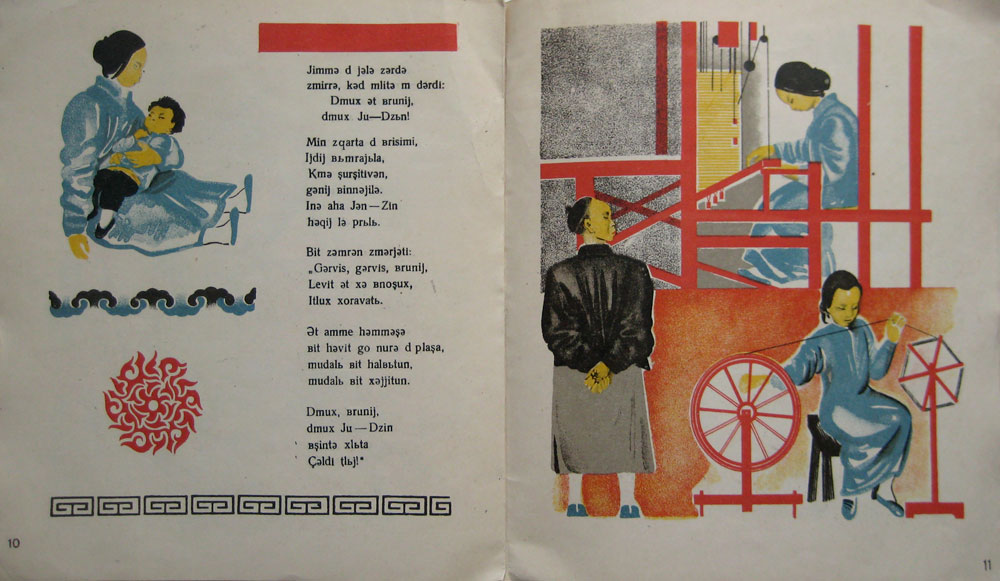
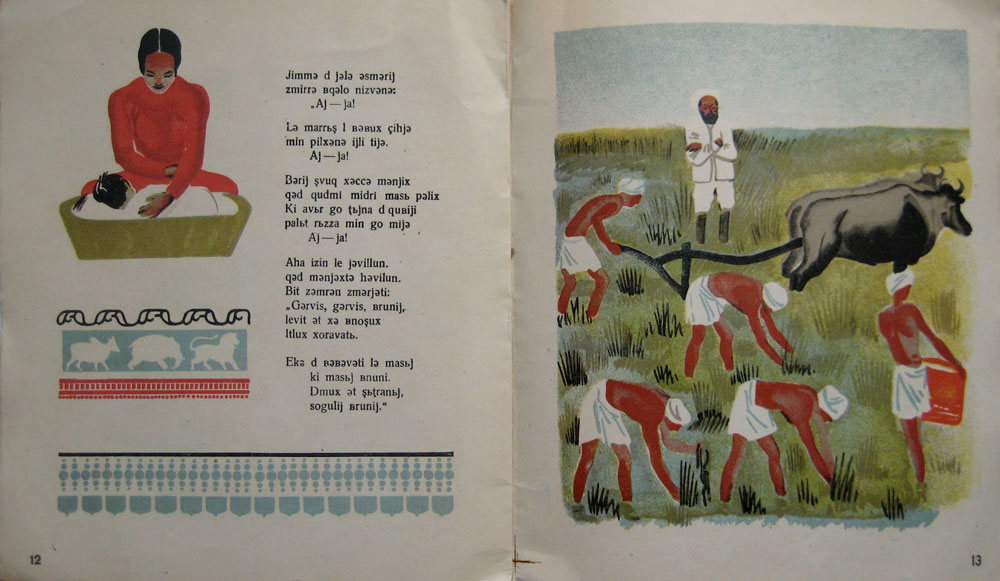
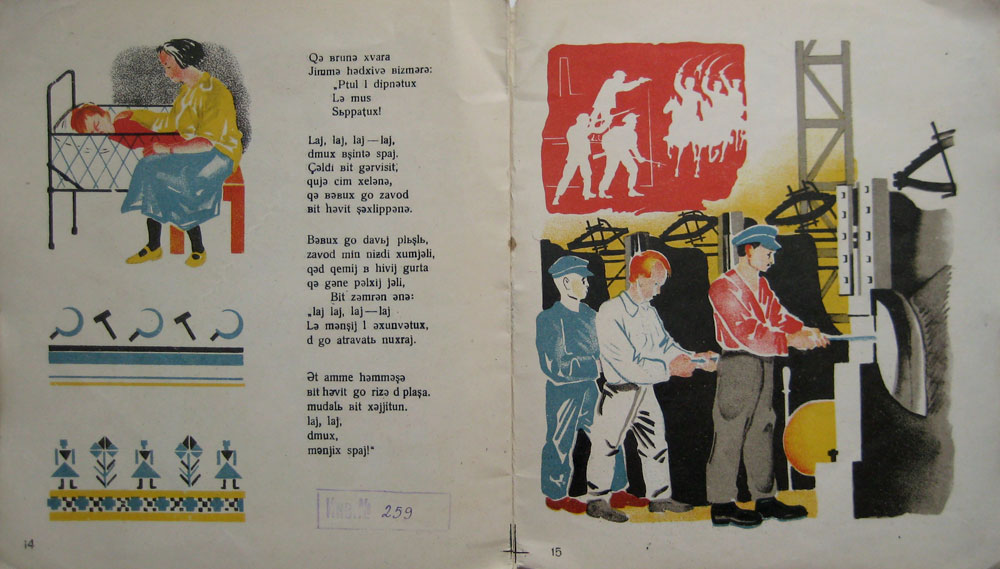
Publications of L.Kvitko's poem «The Letter to Voroshilov» in the languages of nations of the USSR
Military and patriotic works predominated, fiction and poetry were pushed into the background. In addition, it must be mentioned that books are often been heavily censored. Many authors were not able to get to the reader. This was one of the reasons that talented writers were forced to focus on translating, and as a result, literature in translation, of course, gained. Jewish literature stood out against a background: it had a little more originality and creative freedom.
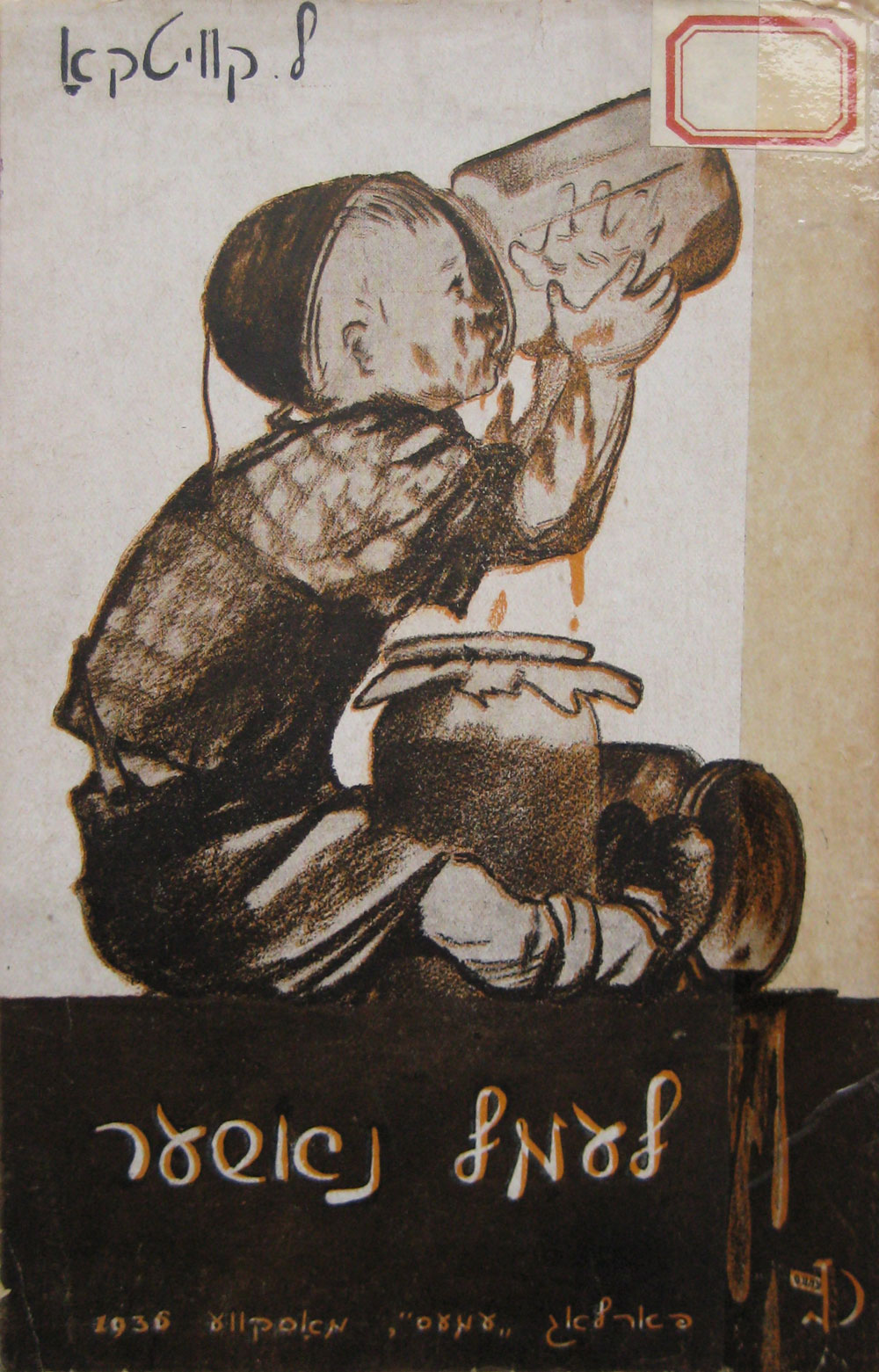

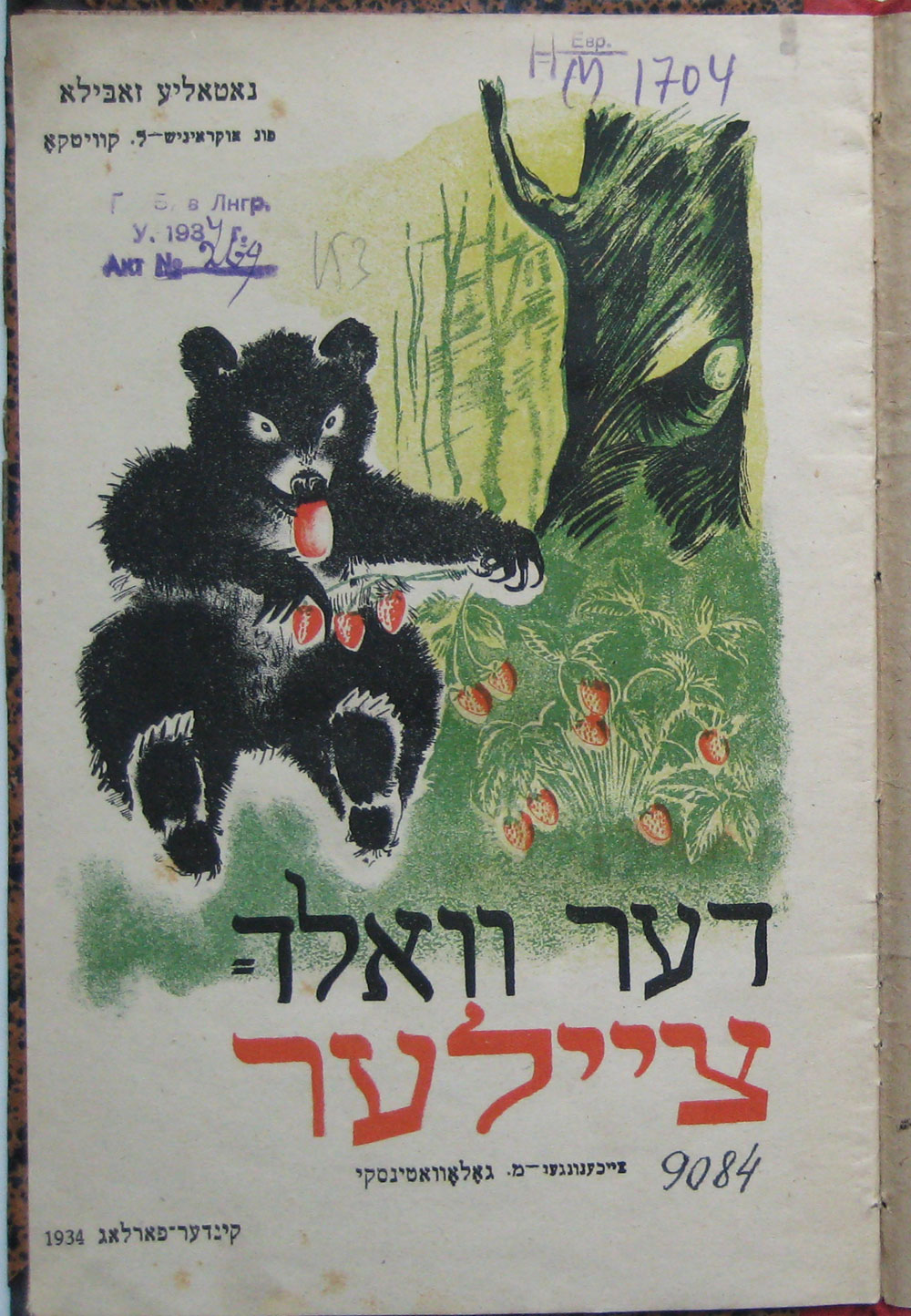
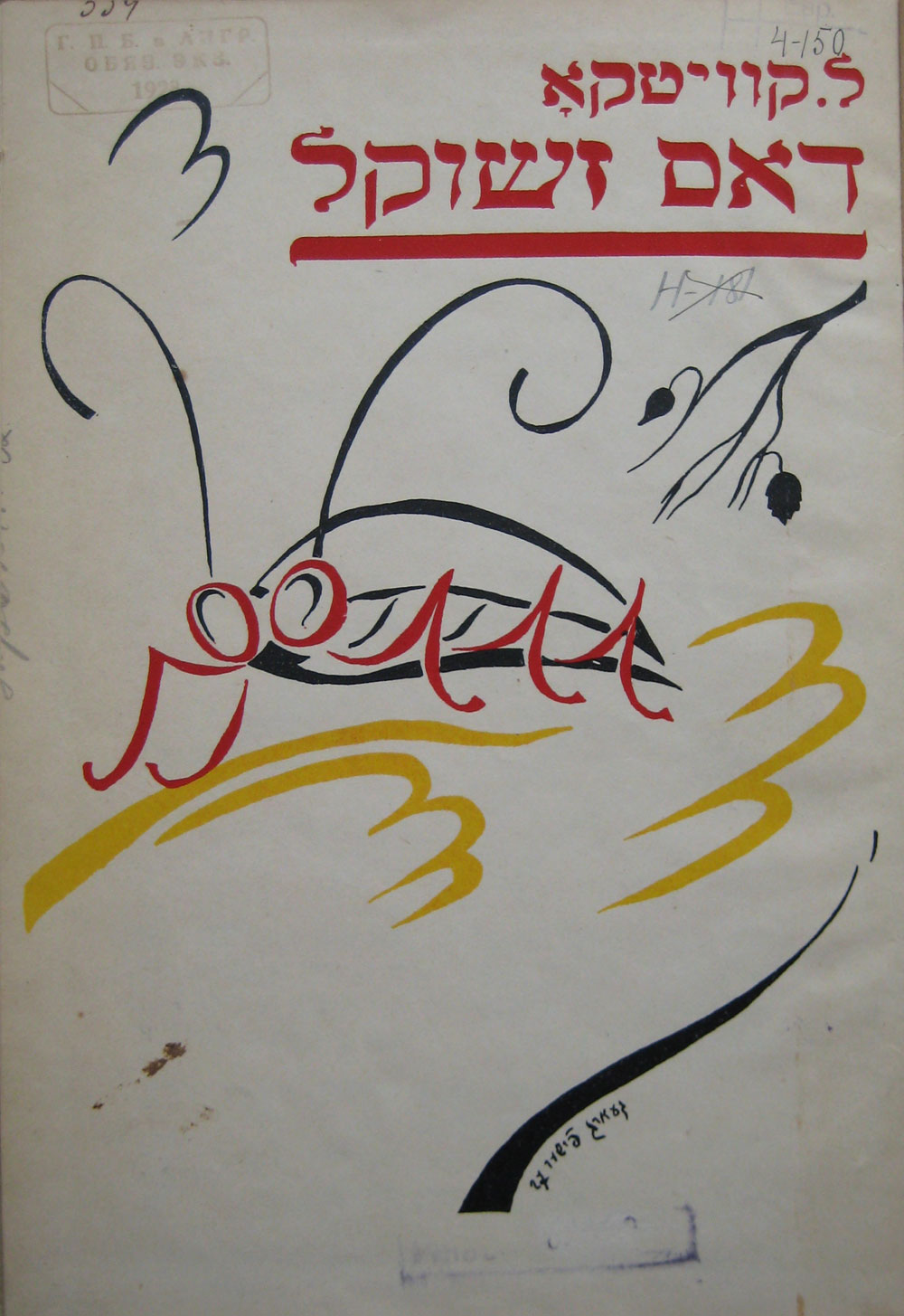
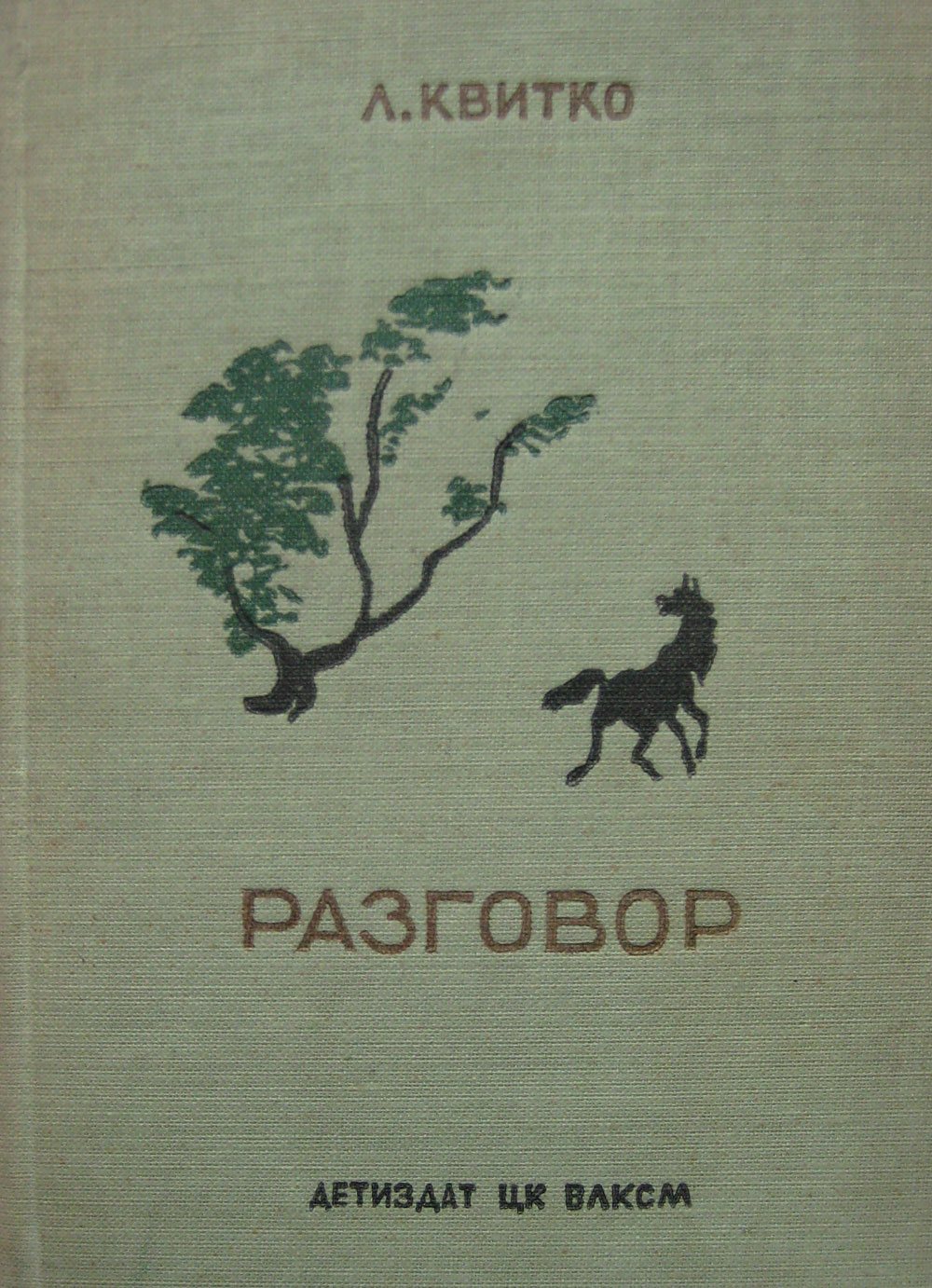
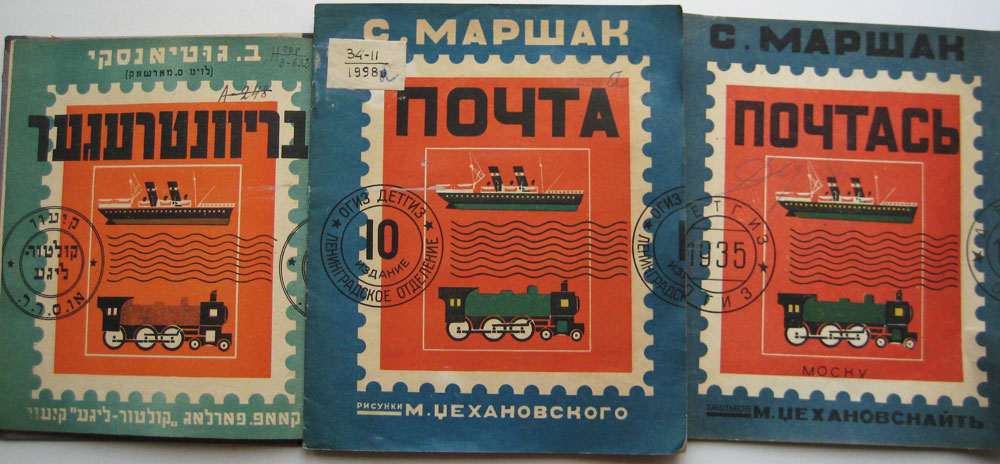
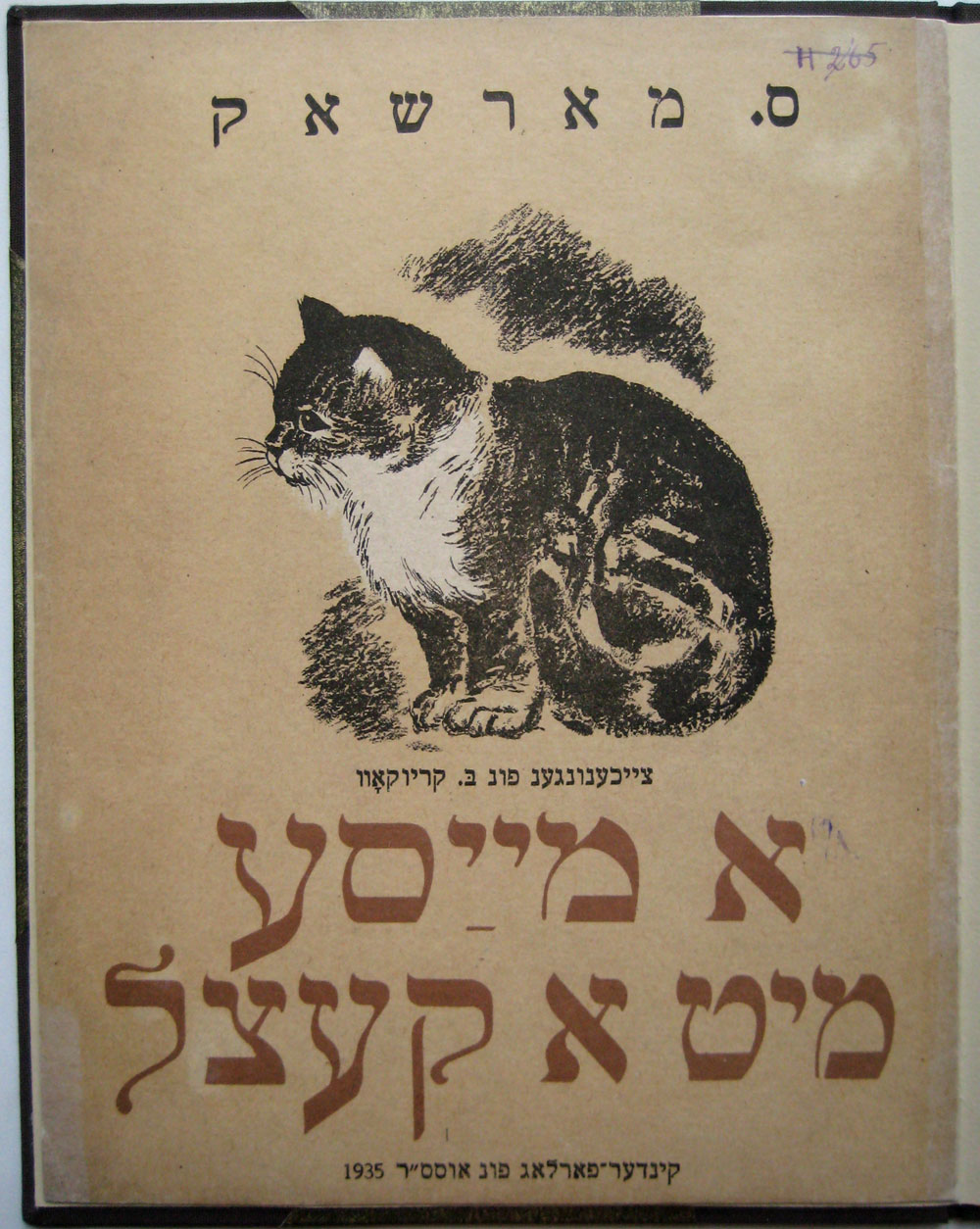
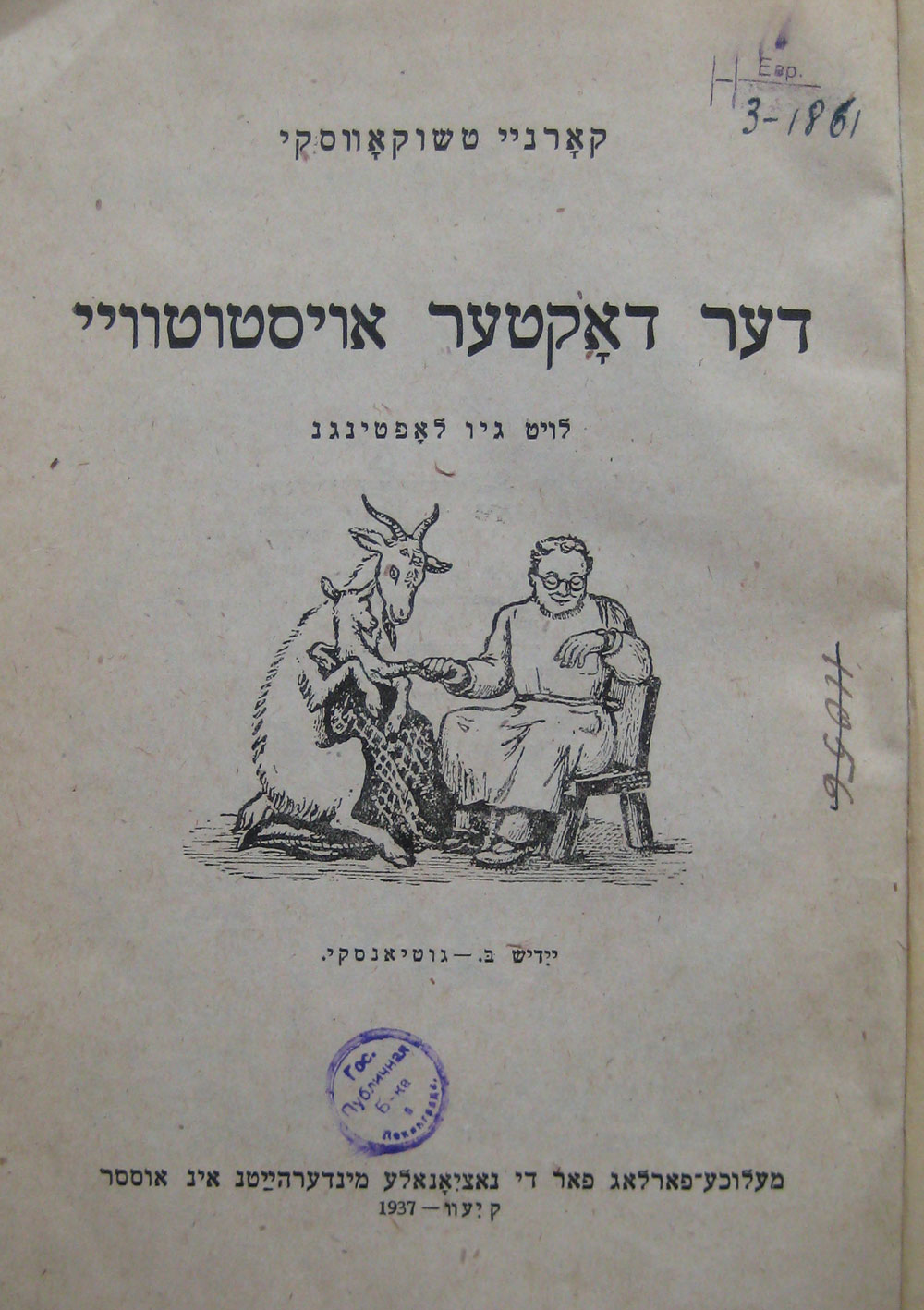
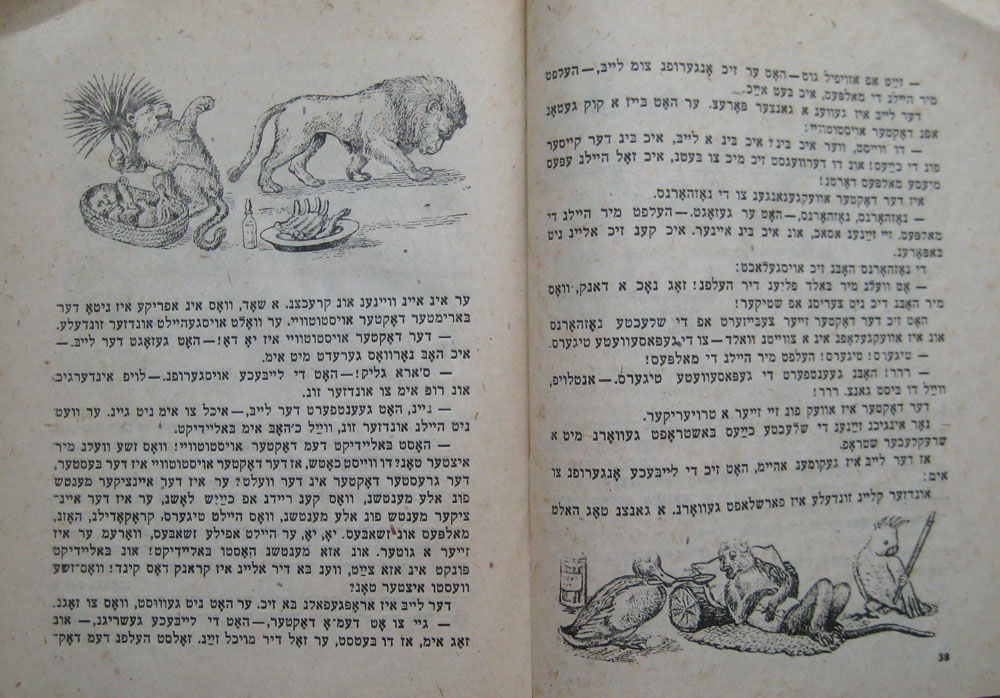
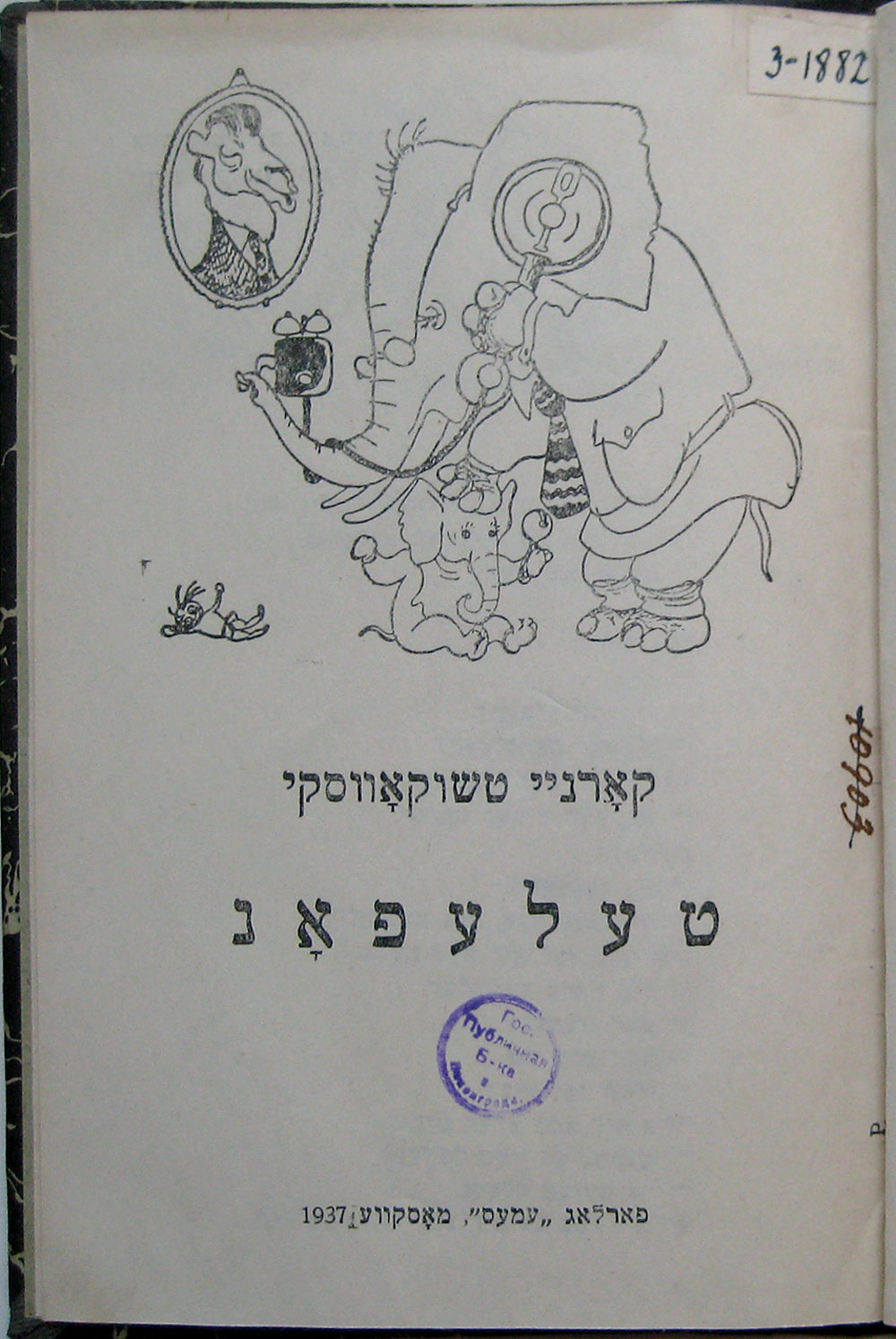
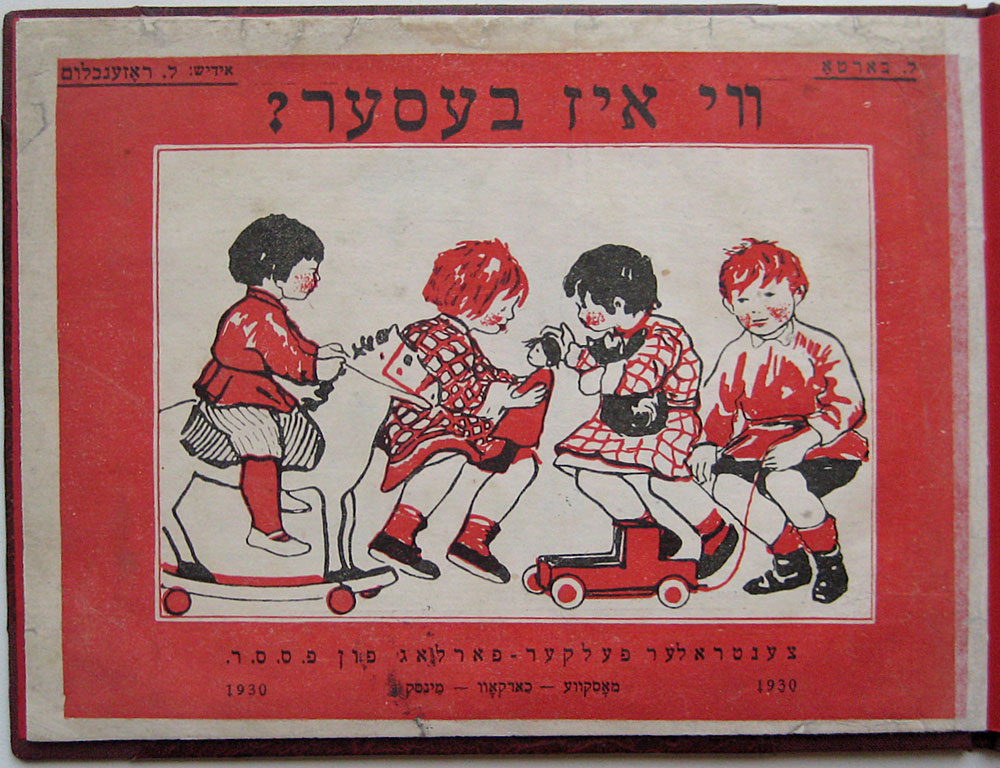
Publications from the 1930s in Yiddish

from the1930s-1940s.
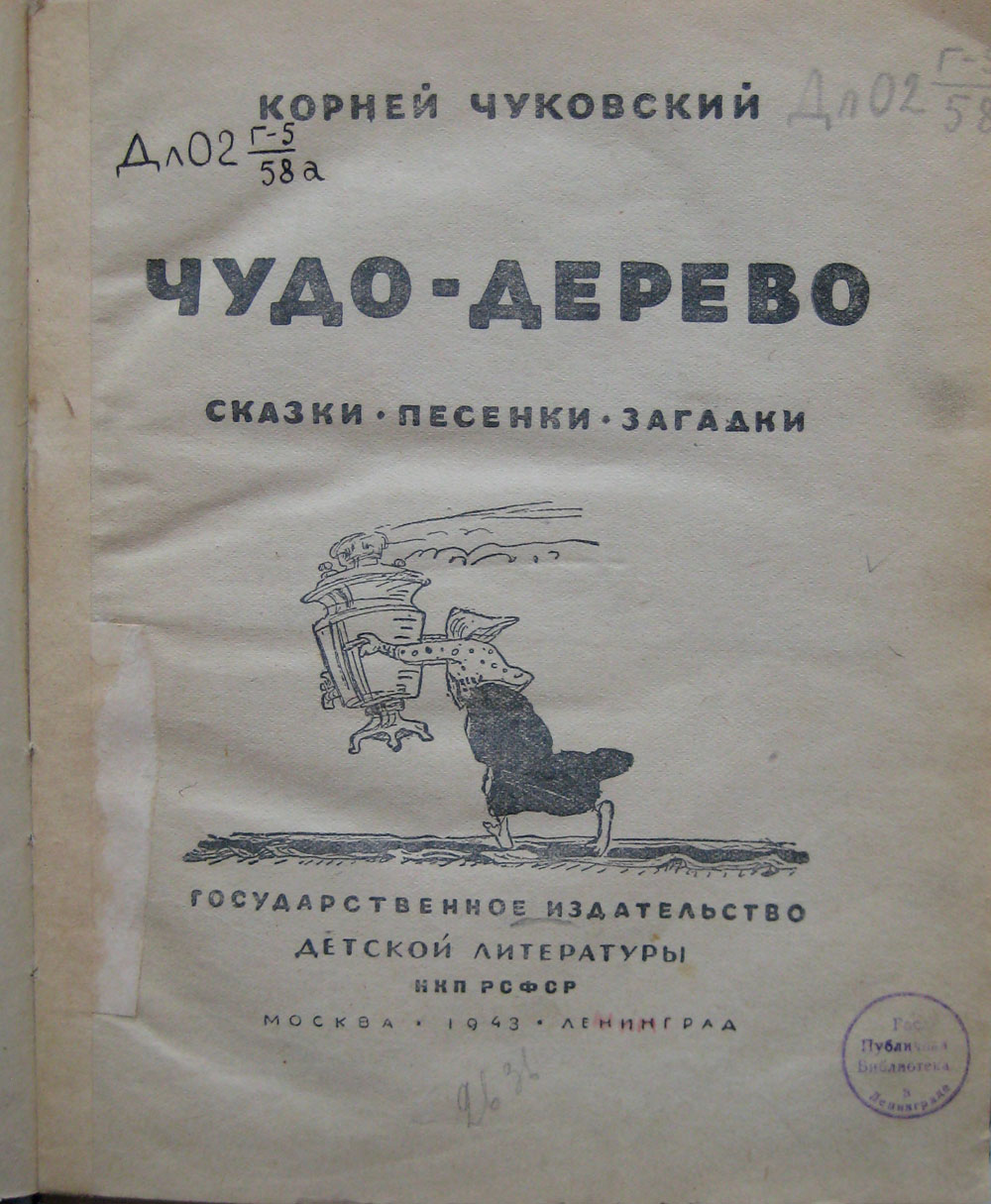
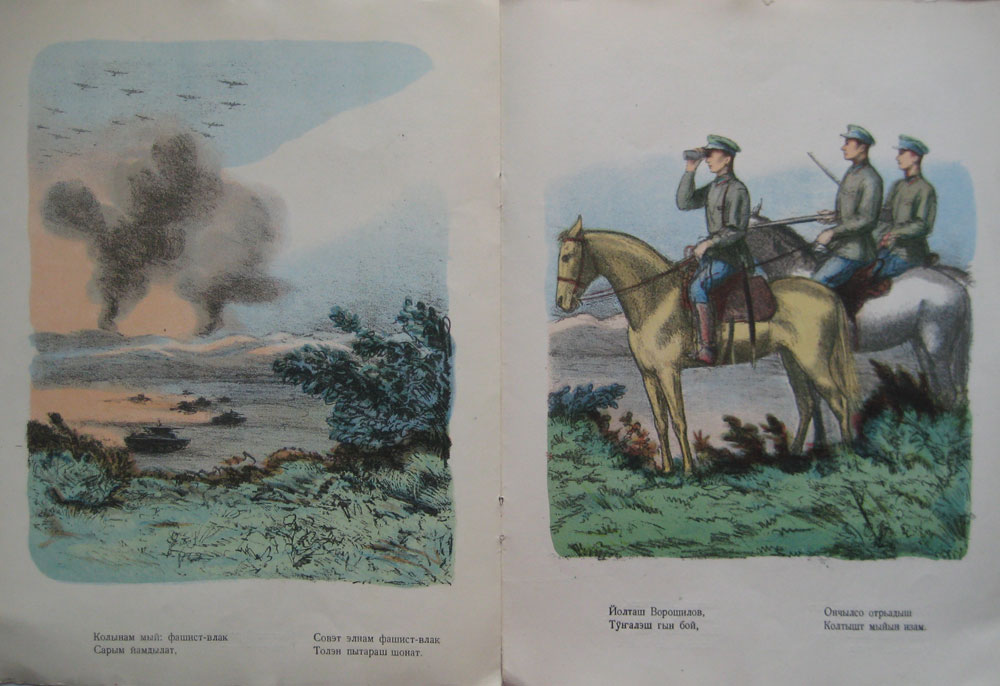
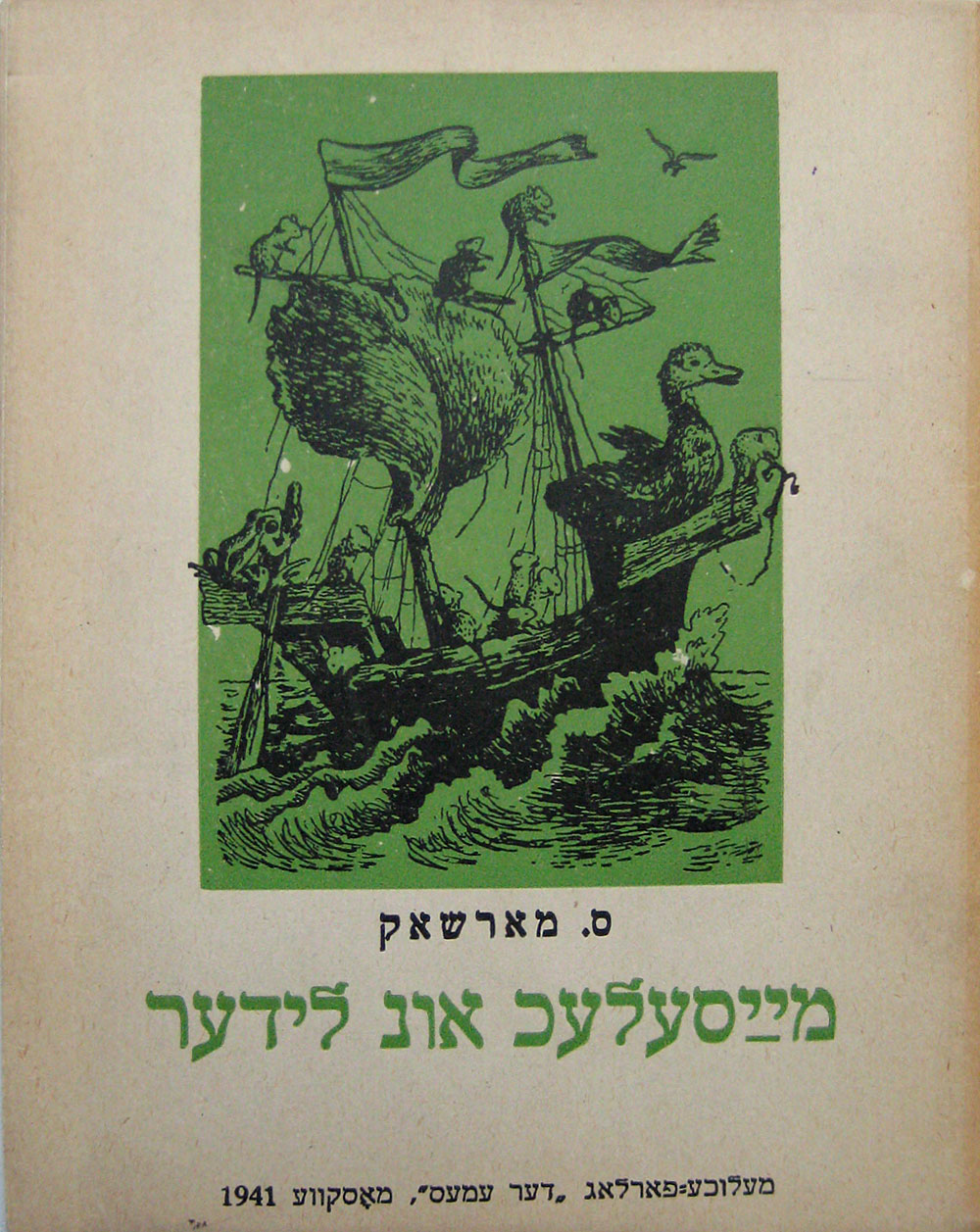
But humanity returned to the publications issued in the war years. Children's books of that period had both to compensate young readers for suffering they had endured and to cheer them and give strength to fight. World War II publications are the pride of the collection of the NLR, and - at the same time - the gem of our exhibition.
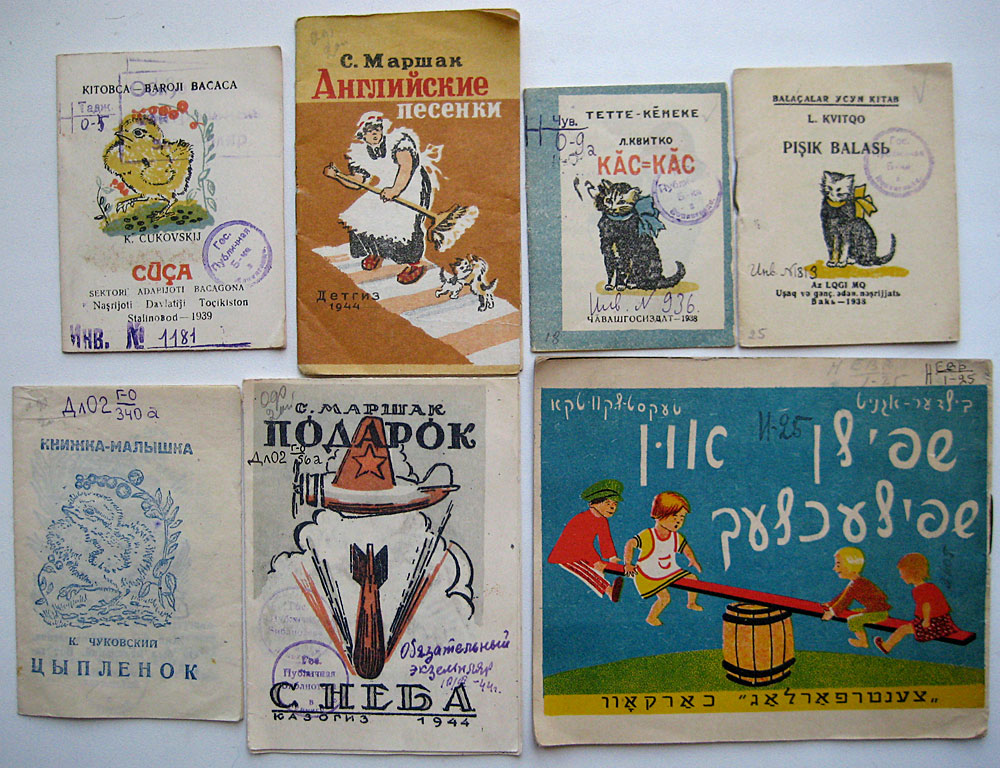
World War II publications
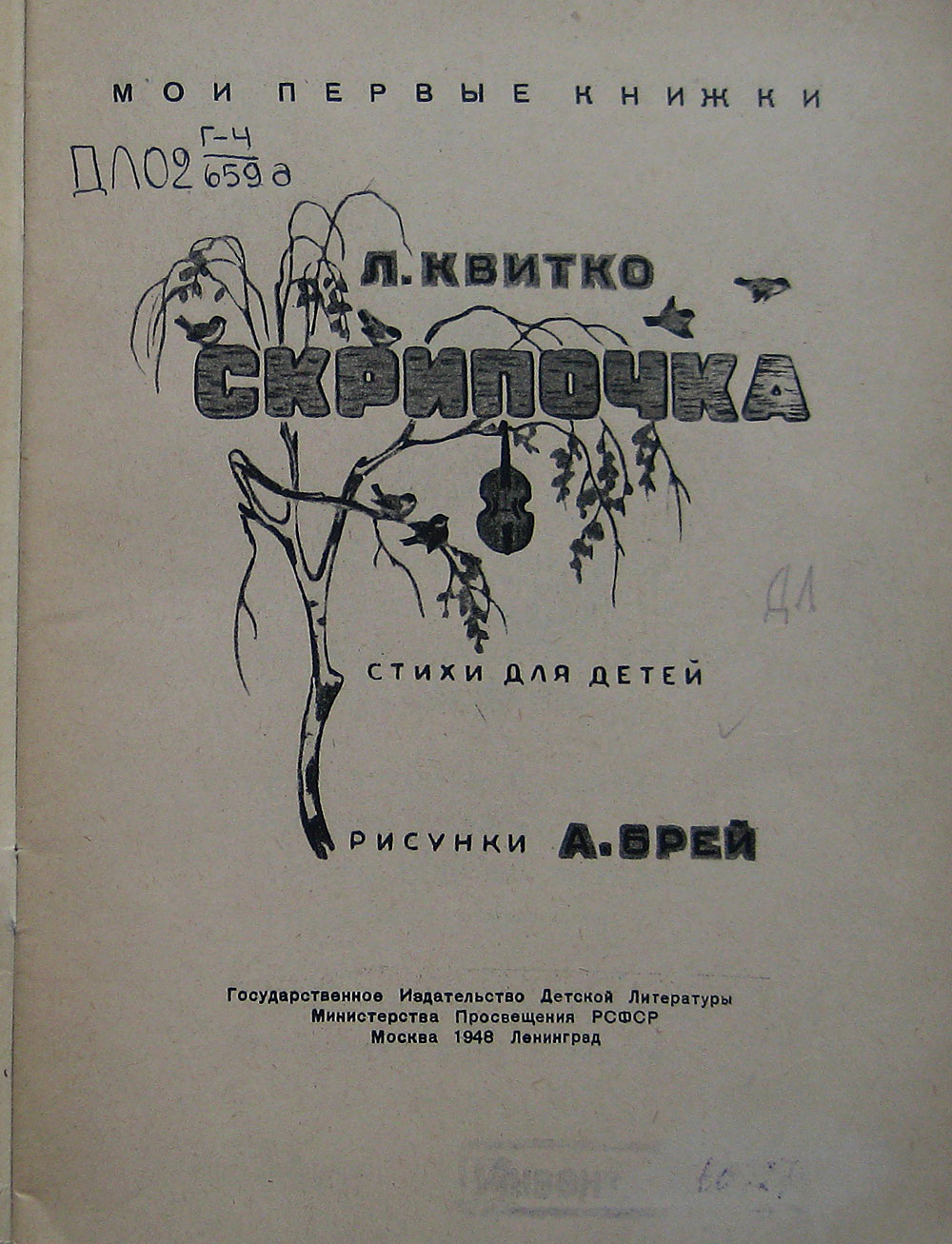
During the post-war years, only a few books were produced: first of all, because of the economic difficulties in the country recovering from the terrible disaster. There were other reasons - ideological. That's just one example: in 1948, a real destruction of Jewish culture started in the Soviet Union. Among the members of the Jewish Anti-Fascist Committee, Leib Kvitko was executed by shooting, after two years, Itzik Kipnis was sent to prison... the list can be continued. Only Khrushchev's Thaw of the late 1950s-early 1960s put an end to the repressions.
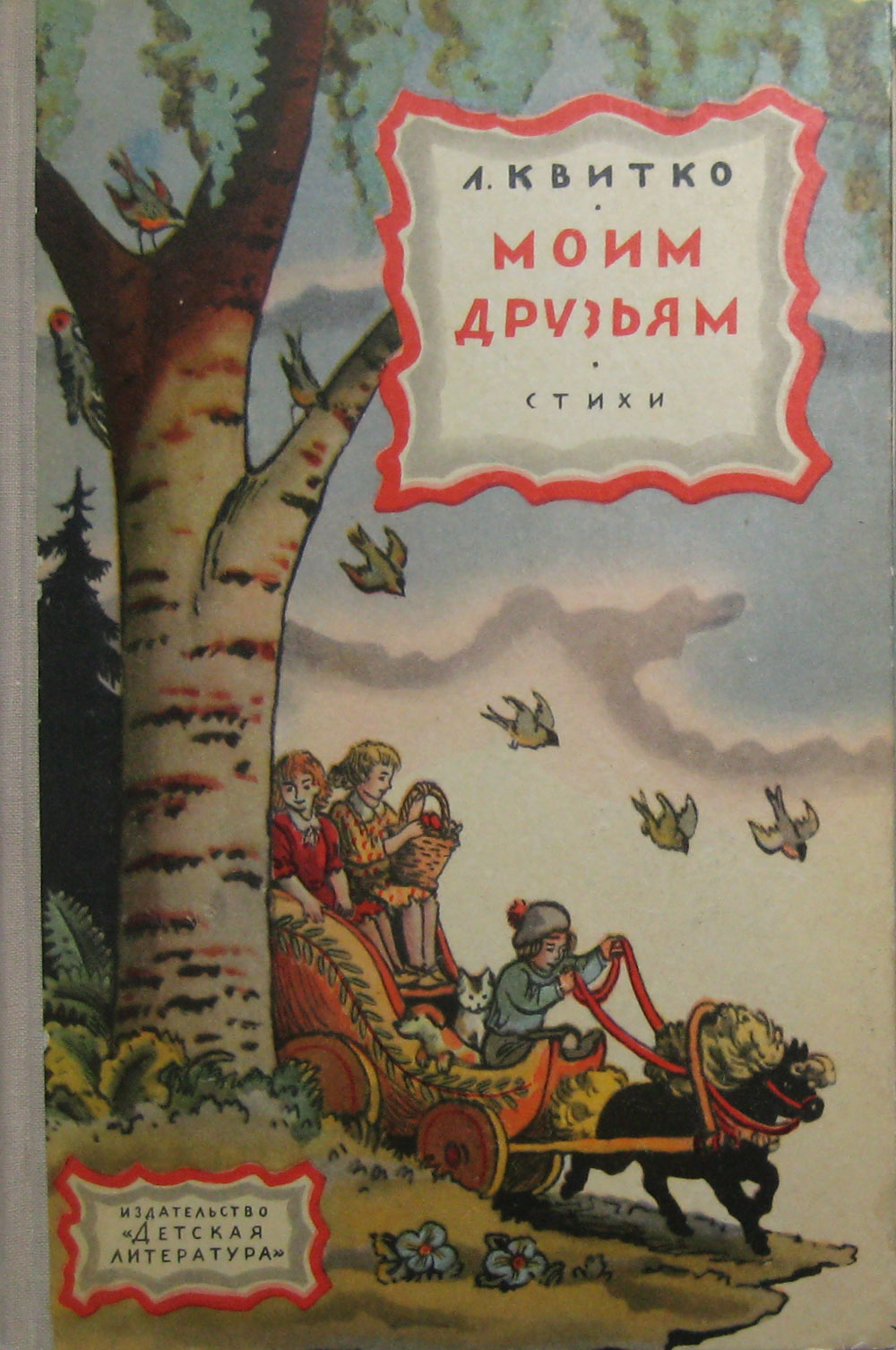
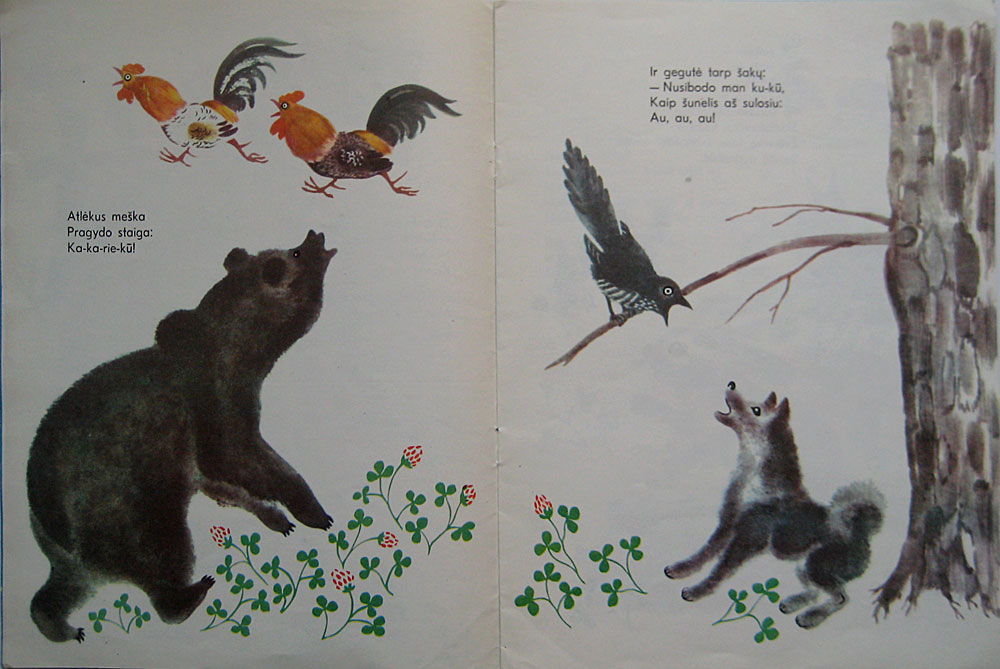
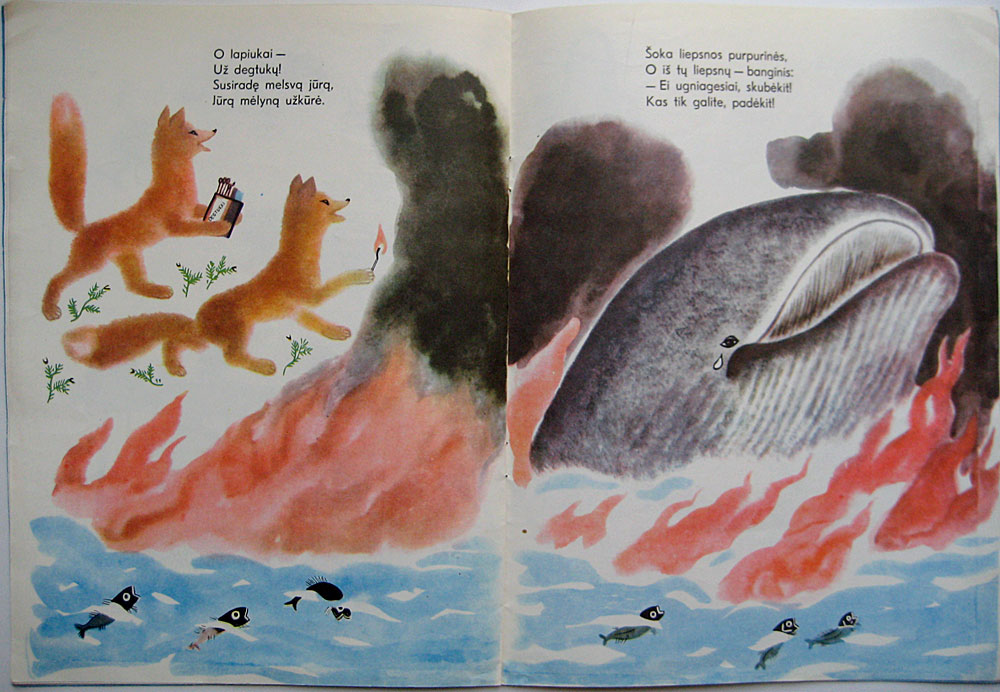
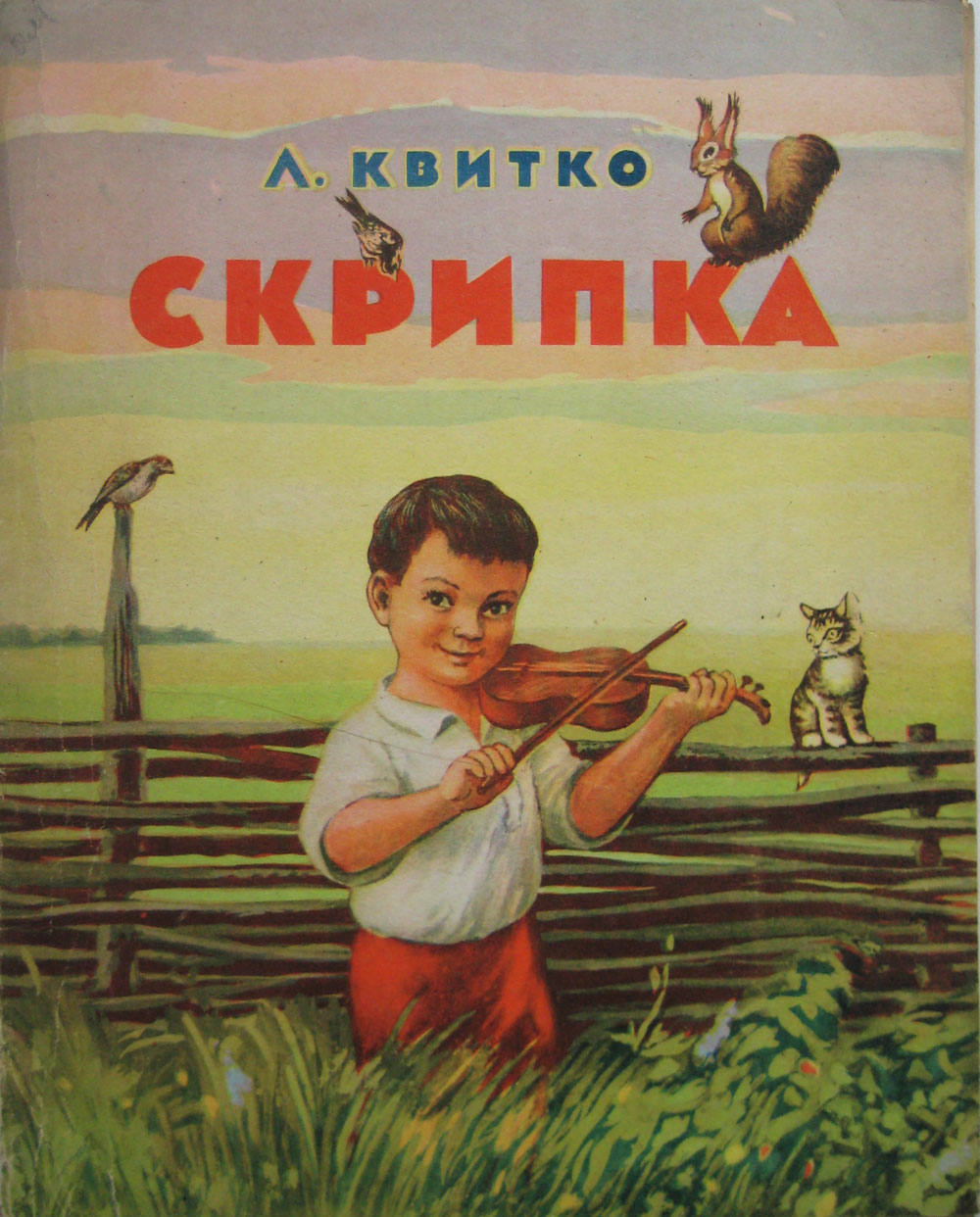
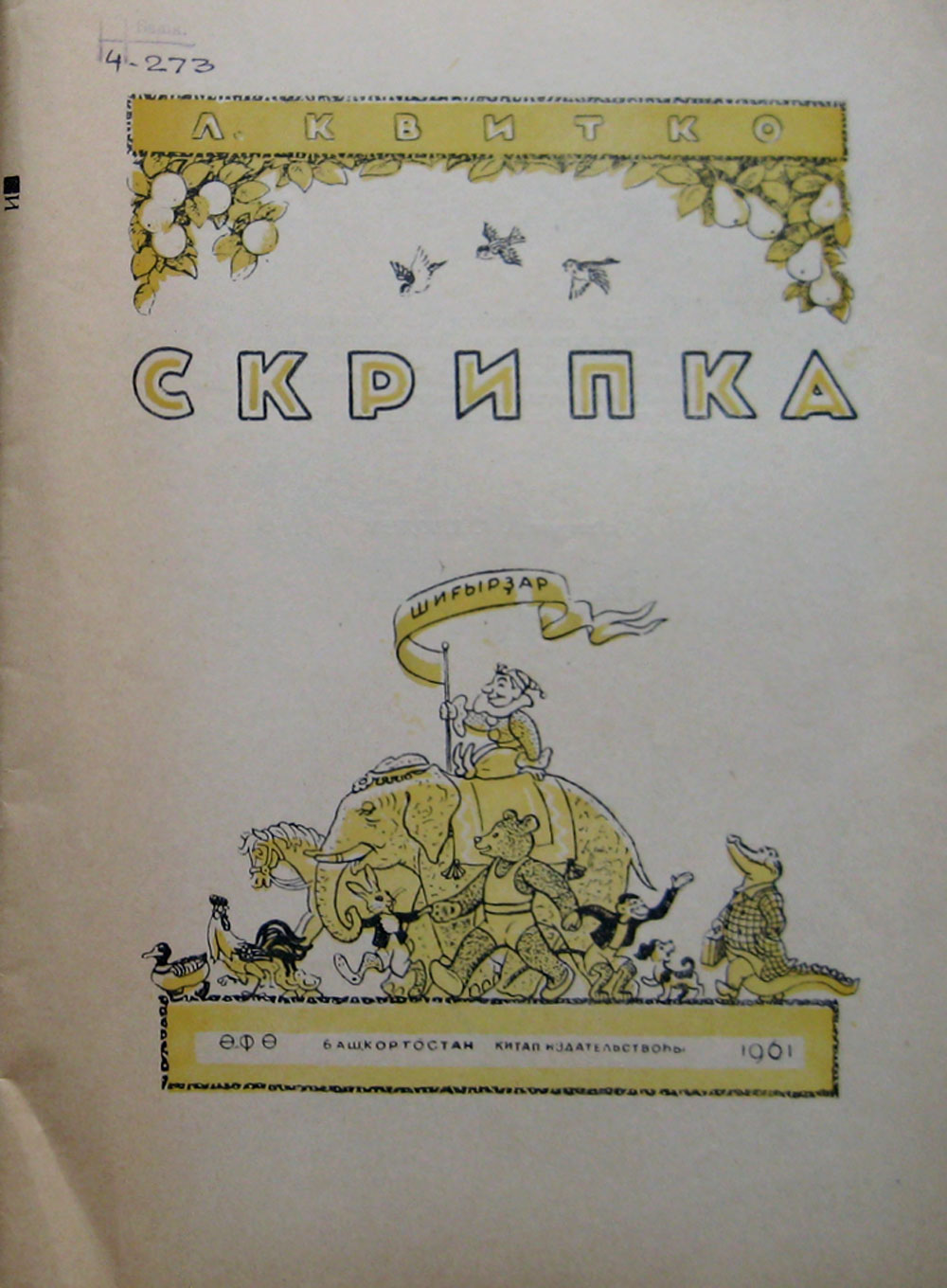
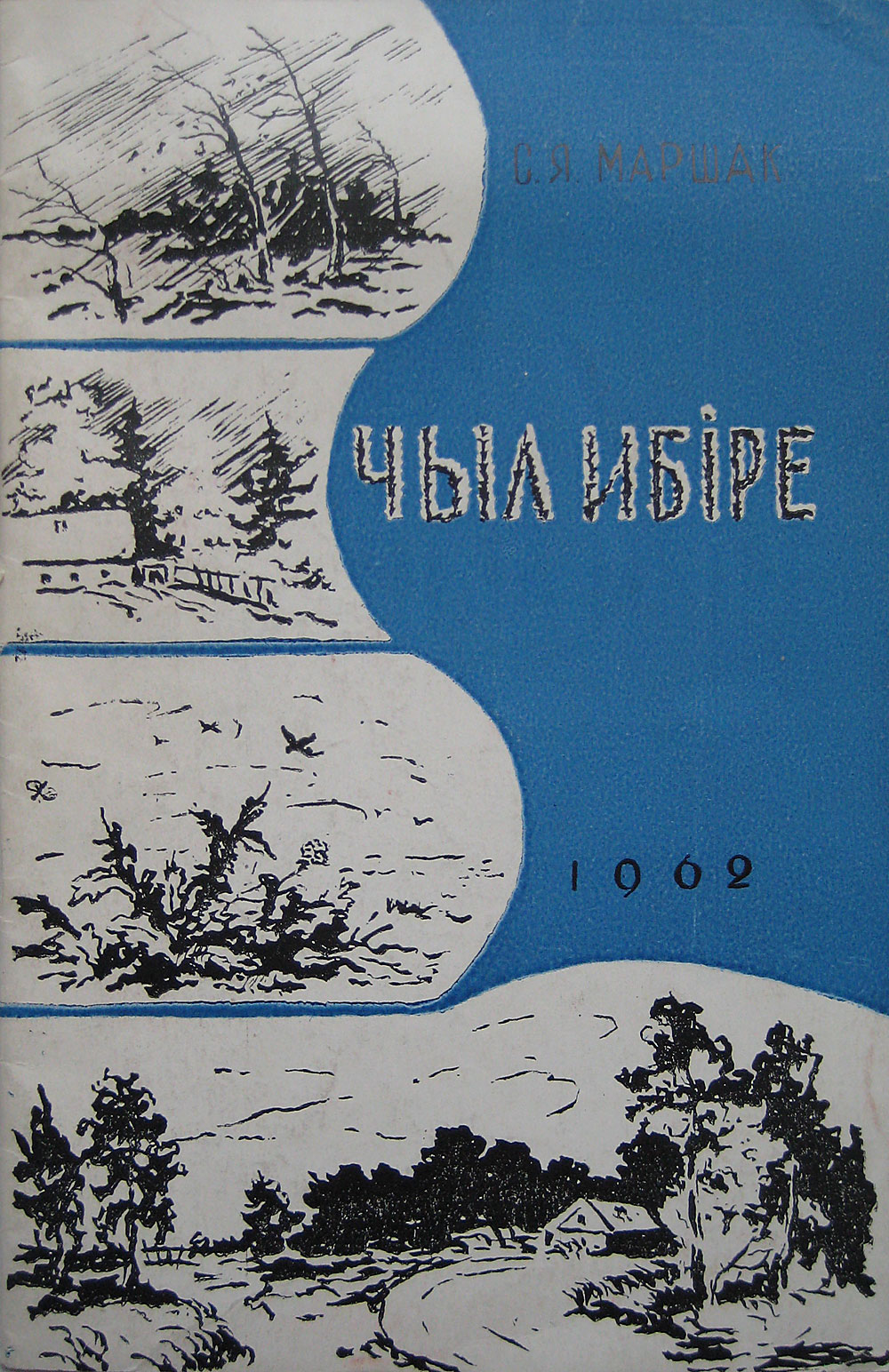
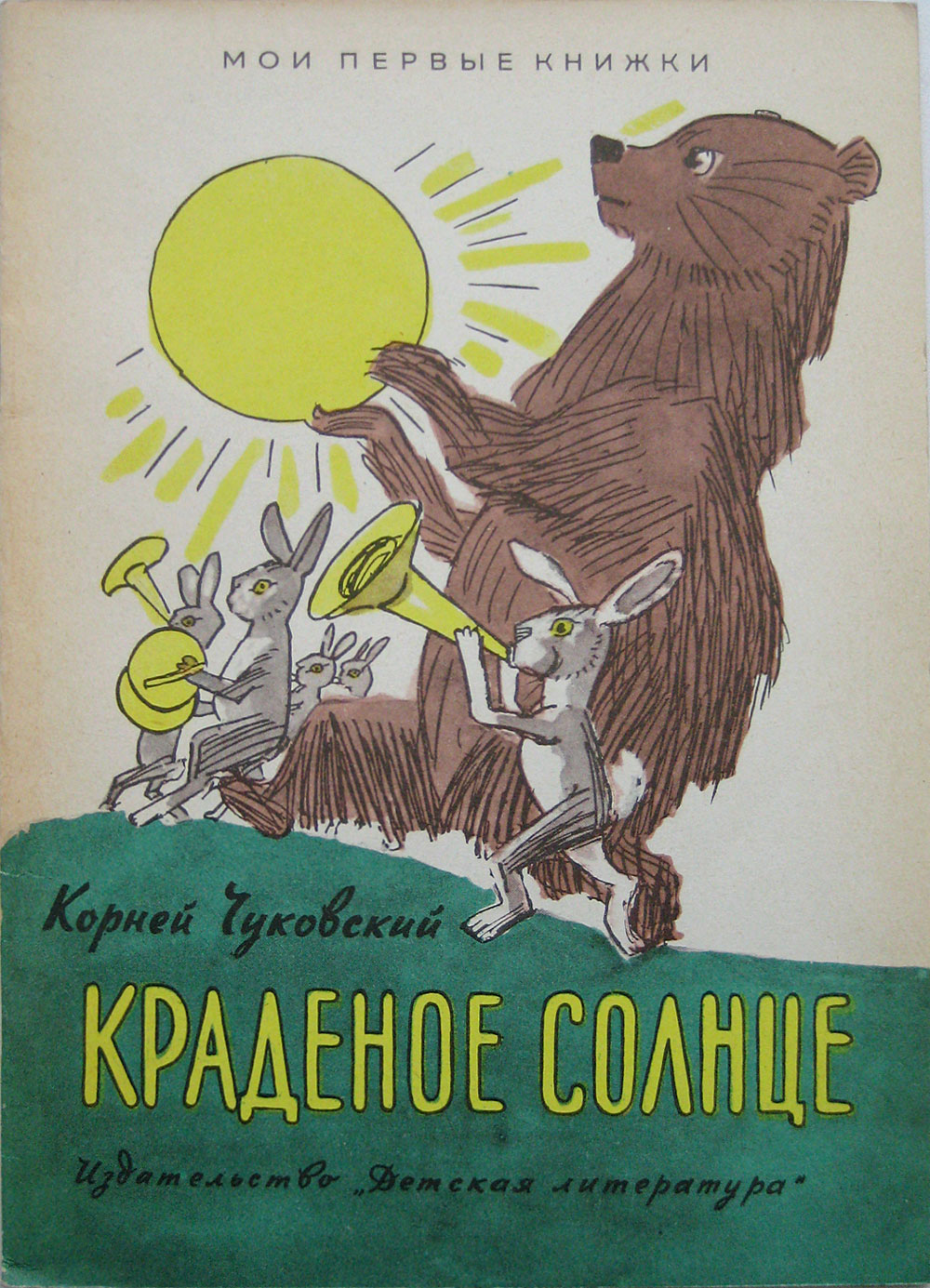
Perhaps descendants would call the period of the 1960s-1970s the "golden age" of the national children's books. Neither before nor after it, their design and content have been so rich. Both the recognized master of words and painting and beginner authors and artists, known to nobody, worked in this field. In children's literature there were its "recovered names": for example, Kvitko again became one of the most popular children's authors with millions of published copies, the good fairy tales of Kipnis, returned to the children, as well as the poetry by Ovsei Driz did… Censorship, of course, did not disappeared, but became much softer. As a result, children's books were not just popular, but they came out in the millions numbers and, for the first time, become available for virtually evrybody.
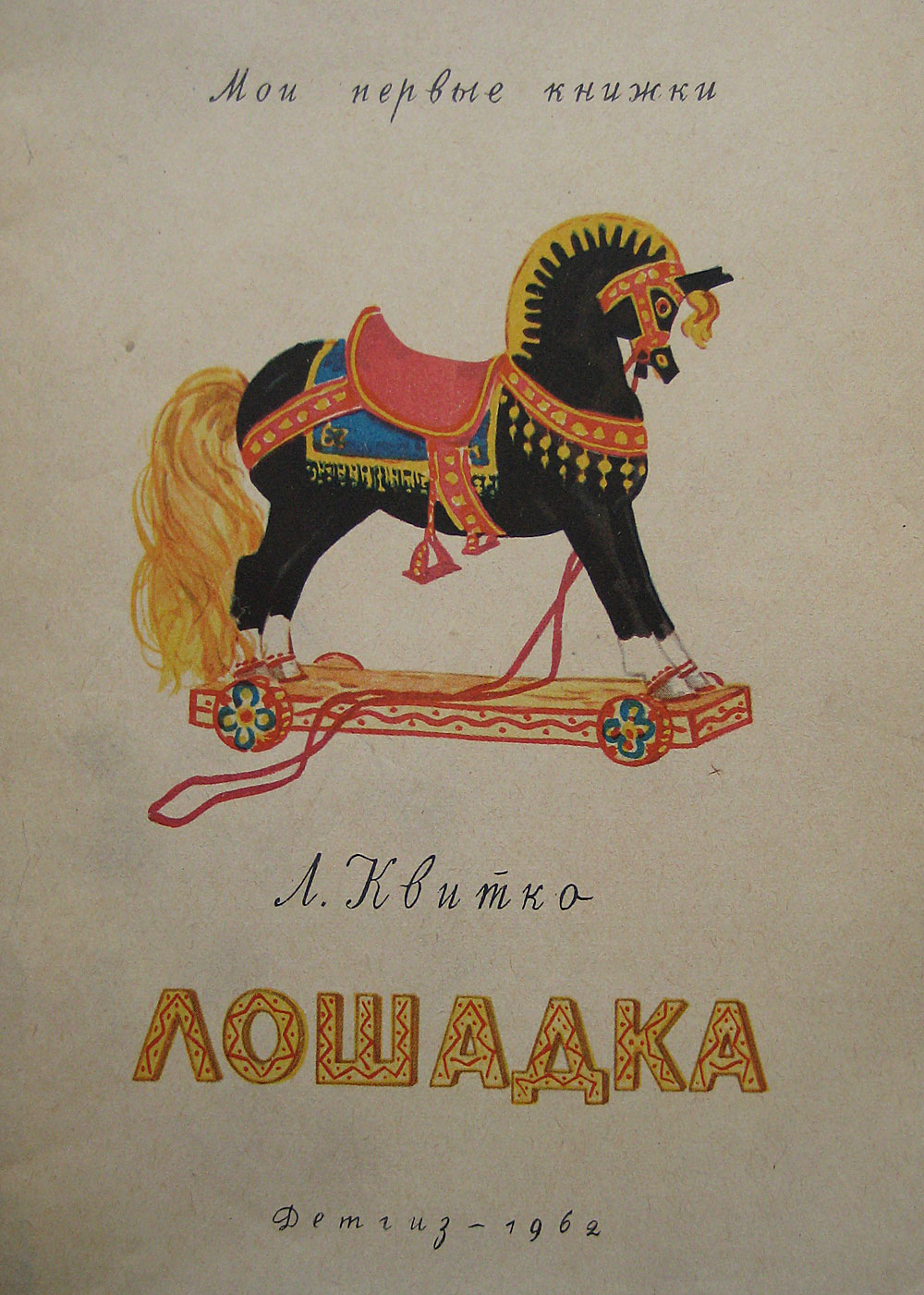
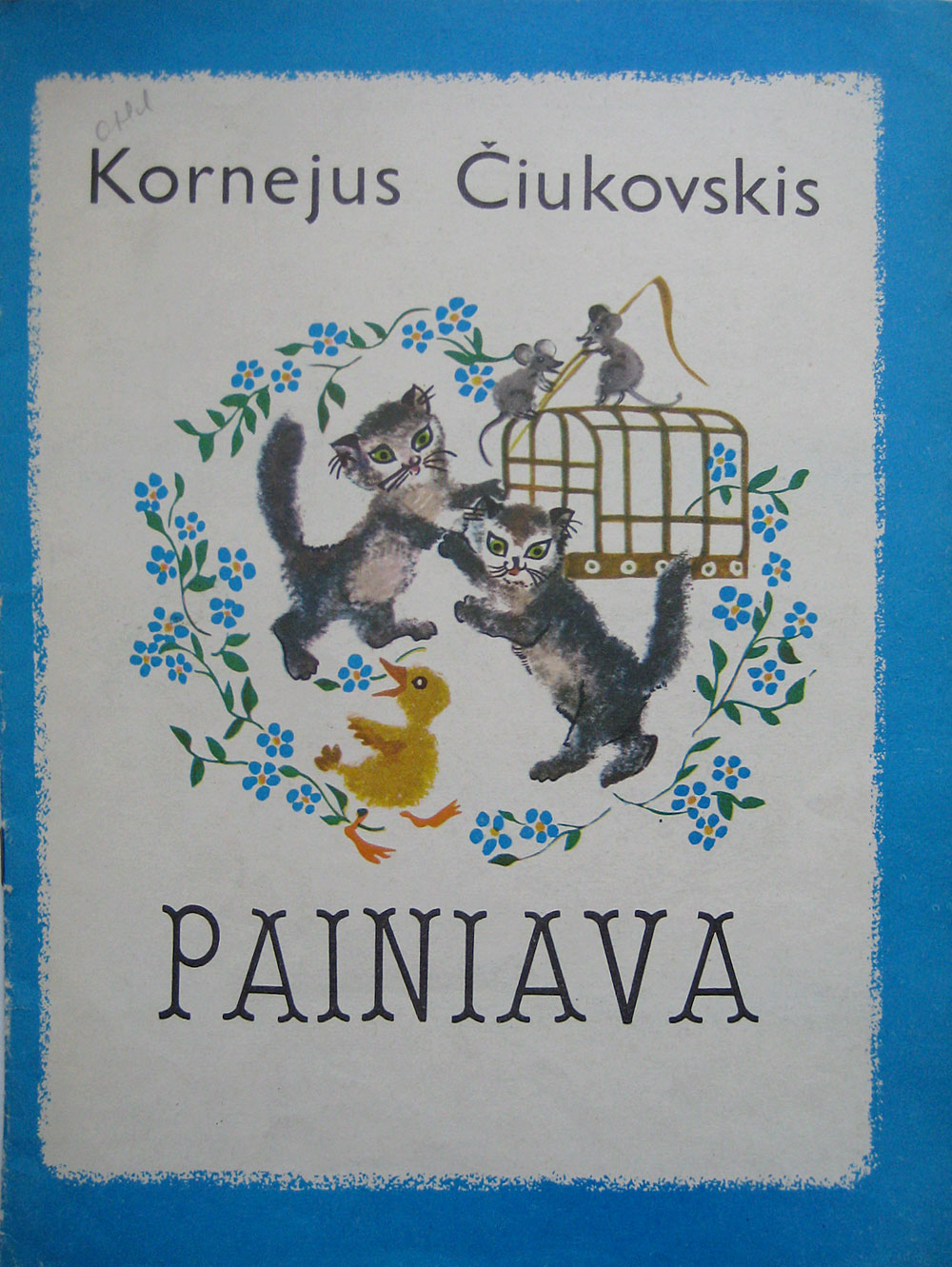
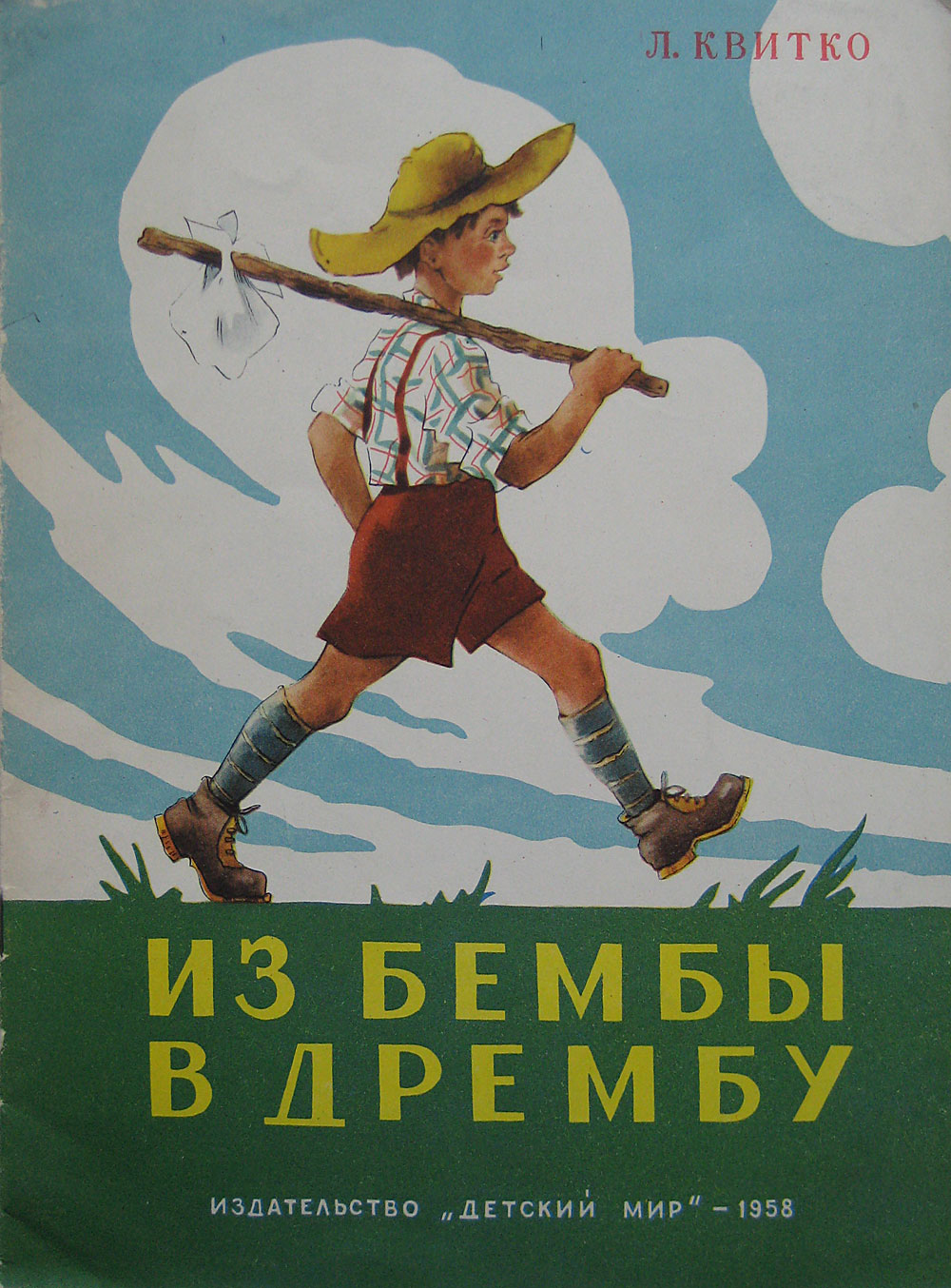
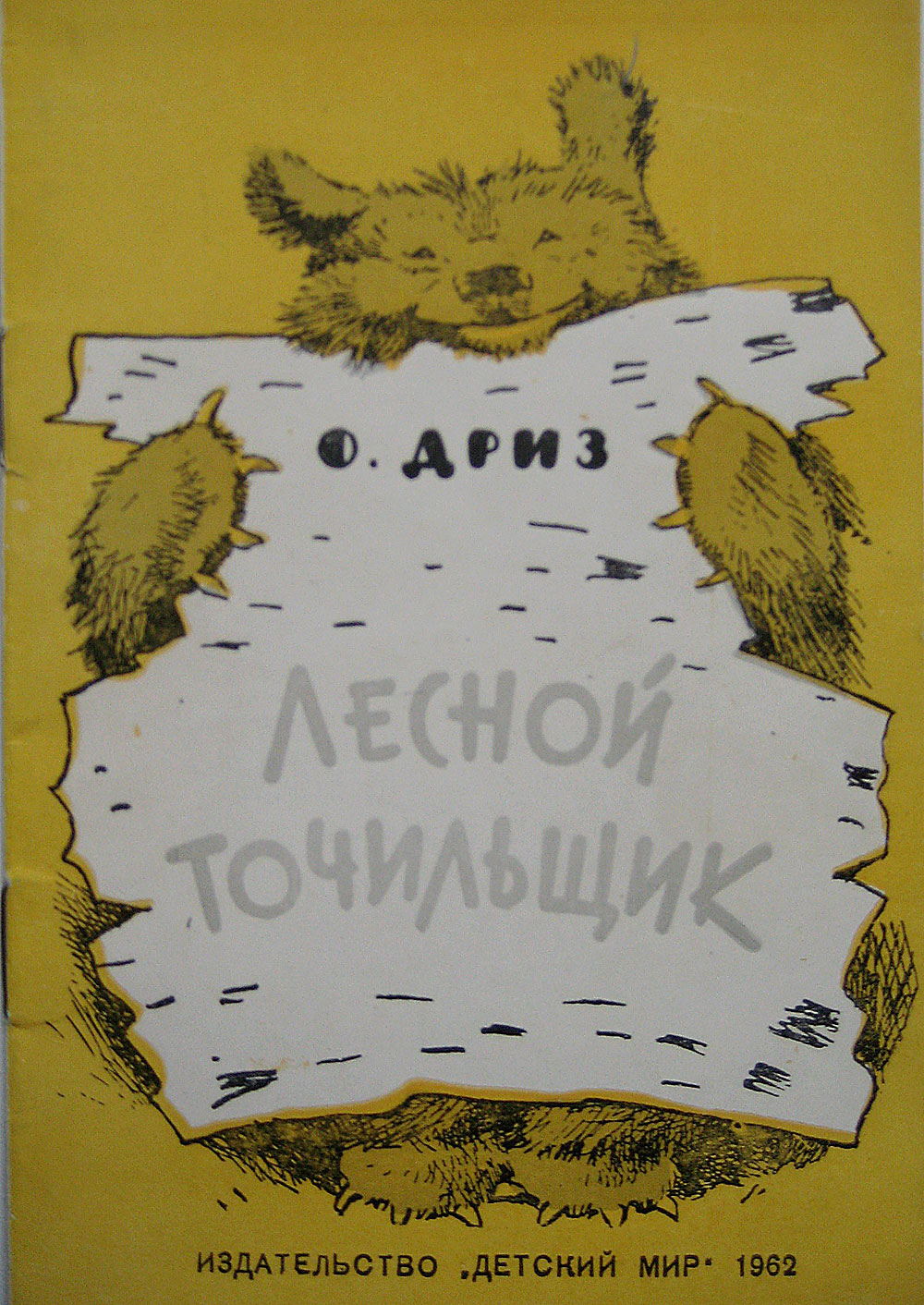
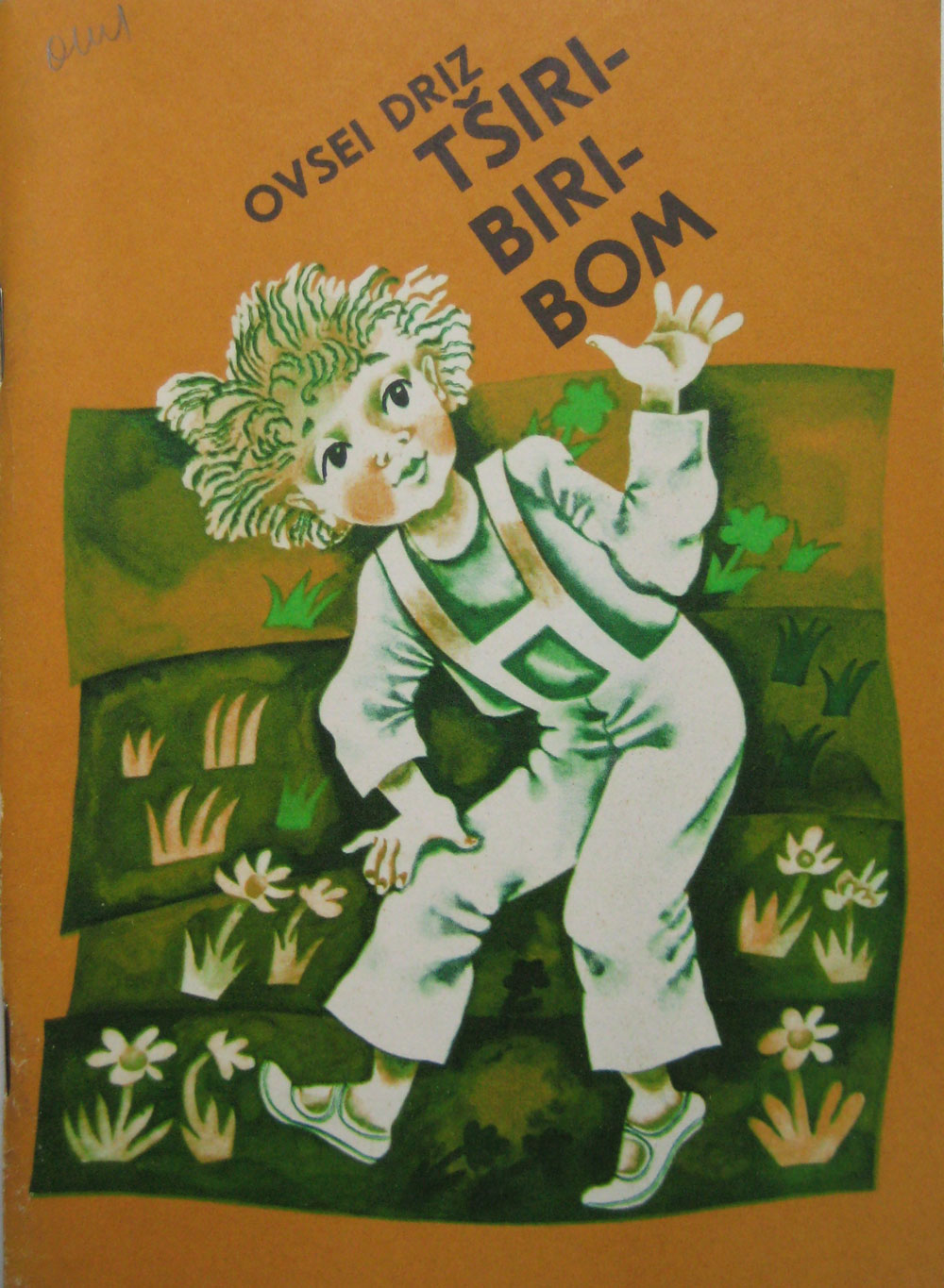
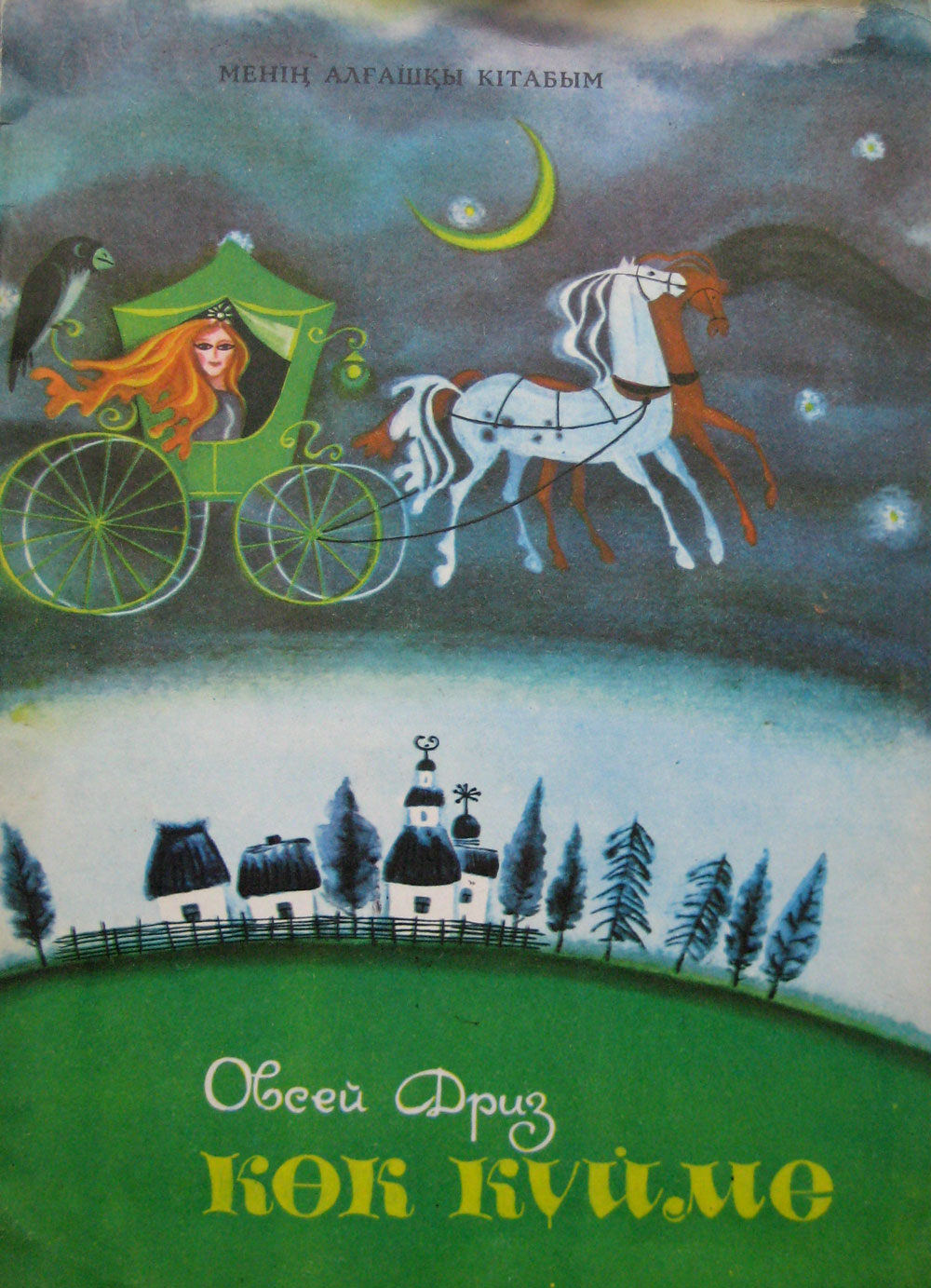
Publications from the 1960s-1970s
Today is a completely different era when entirely different book are published. Unfortunately, informative and beautiful books have long ceased to be affordable. Well, sometimes you do not want to take in hand those that can be afforded. In this situation, the role of libraries is particularly important, they are always happy to share their treasures with readers.
See the Exhibition Catalogue